
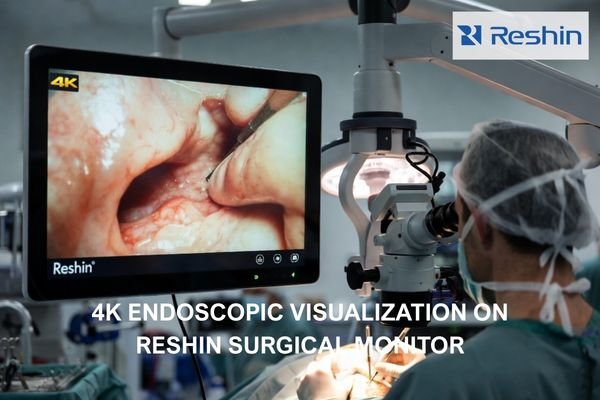
Why Does Otologic Microsurgery Rely More on Low-Latency Surgical Monitors?
Otologic microsurgery relies more on low‑latency surgical monitors because even minimal delays of 50–100 milliseconds can cause surgical instruments to overshoot intended movements during high‑magnification operations within tight anatomical spaces. These procedures require instantaneous visual–motor synchronization, and latency disrupts precision, reduces surgeon confidence, and increases the risk of unintended trauma to delicate structures such as ossicles, cochlea, and facial nerve pathways.