
Reshin provides medical display manufacturing and quality assurance solutions for diagnostic monitors, surgical displays, PACS systems and OEM medical equipment projects.
Our manufacturing framework is designed to support stable production, traceable quality records, controlled engineering changes and long-term product continuity throughout the product lifecycle.
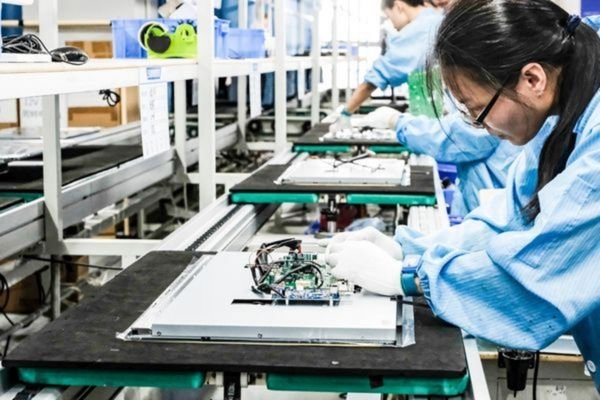
For medical display programs, manufacturing is more than assembly. It means converting approved specifications into repeatable output with controlled process discipline and verifiable quality evidence.
Customer requirements are converted into controlled manufacturing specifications covering mechanical structure, interfaces, tolerances, testing criteria and acceptance requirements.
Standardized assembly procedures and quality checkpoints help maintain consistent performance across pilot production, batch manufacturing and long-term supply.
Inspection records, verification results and production documentation provide traceability throughout manufacturing, quality review and shipment release.
Engineering changes are reviewed through documented processes to ensure product consistency, configuration control and long-term project stability.
The production flow is organized around practical manufacturing stages that support stable output, configuration consistency, and traceable delivery.
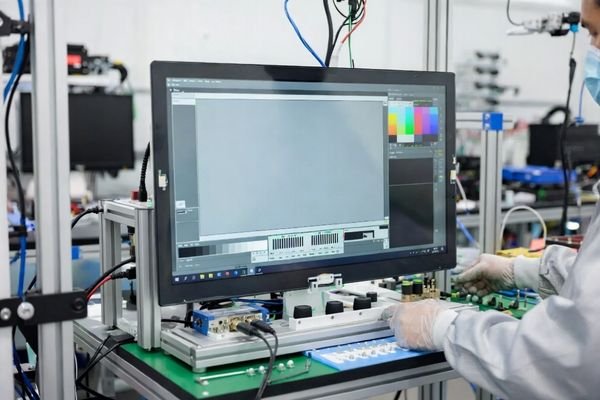
This section focuses on the production-side capabilities that matter most to procurement, project teams, and quality review. The emphasis stays on controlled execution rather than on broad supplier claims.
Controlled assembly processes ensure consistent production of diagnostic, surgical and customized medical display products based on approved configurations and manufacturing instructions.
Optical bonding and front-layer protection solutions improve reflection control, durability and cleaning efficiency for clinical environments.
Display configurations are verified according to project requirements, including signal interfaces, input compatibility and system integration needs.
Functional testing and burn-in verification help confirm product reliability before final inspection and shipment release.
Controlled packaging and traceability procedures help protect product integrity and maintain clear product identification throughout delivery.
We can review product structure, customization scope, interface requirements, and expected quality outputs from a manufacturing perspective.
Quality control is embedded into each stage so units can be checked, recorded, and released against defined criteria without disconnecting inspection from production reality.
Critical components are inspected before production to verify incoming quality and reduce risks during medical display manufacturing.
Core electronics are monitored through controlled checks tied to stable production requirements.
Assembly consistency is maintained through revision rules, work instructions, and process checkpoints.
Display performance is verified according to defined acceptance criteria, including image quality, functional performance and application requirements.
Signal input, I/O behavior, and unit stability are verified before packing and release.
Shipment readiness, labeling, and traceability are confirmed before final delivery handoff.
Documented inspection records provide evidence of manufacturing checkpoints, quality verification and shipment release decisions.
Calibration and verification records support consistent display performance and product evaluation requirements.
Traceability documentation links product identification, production records and configuration information for long-term project support.
Manufacturing changes are not released directly into production. They move through a structured review path covering baseline control, engineering review, impact assessment, document update, and controlled release.
Lock the active configuration and reference documents before review begins.
Check technical necessity, affected components, and implementation feasibility.
Evaluate manufacturing, quality, and deployment impact before approval.
Update drawings, process files, and release records to match the approved change.
Release only after approval, update completion, and downstream control confirmation.
Reshin maintains documented quality records throughout the manufacturing process. Selected evidence examples can be provided to support supplier evaluation and project verification.
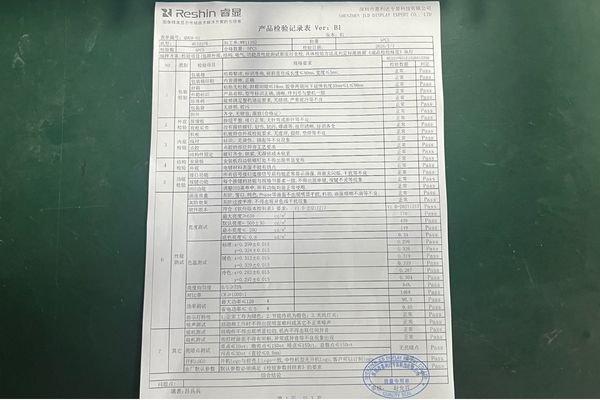
Documented inspection checkpoints provide traceability from production verification to final shipment release.
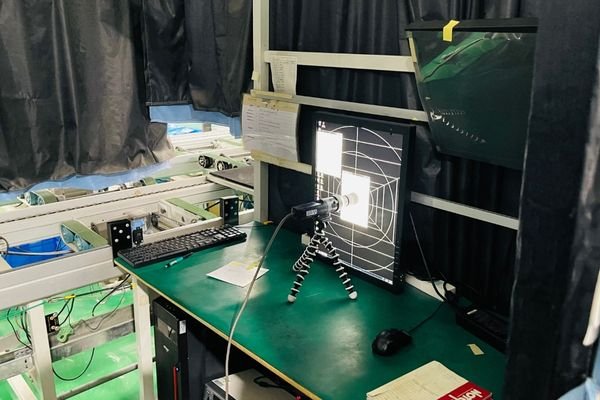
Verification records support consistent display performance and quality confirmation for medical display applications.
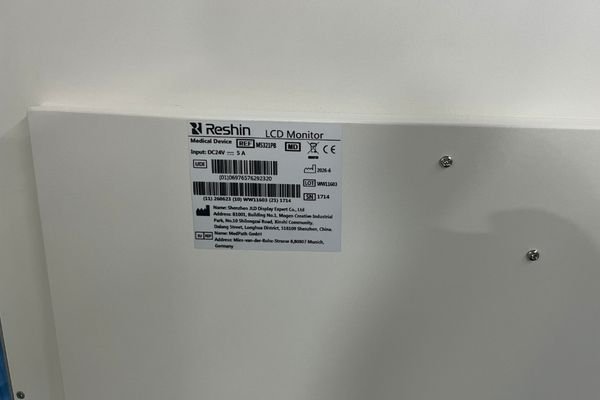
Production and configuration records help maintain product identification and long-term project continuity.
Different medical display applications require different verification approaches. Reshin applies structured validation processes for diagnostic, surgical and OEM display programs.
Reshin provides technical and quality documentation to support supplier evaluation, product verification and long-term cooperation planning.
For confidential projects, detailed documents can be provided under NDA protection.
Share your product category, target market, expected customization scope, and quality control requirements. This helps us review the project from a manufacturing, verification, and supply continuity perspective.
Typical discussion points include assembly structure, optical protection, interface behavior, verification expectations, traceability output, and change-control requirements.
We use cookies to improve website functionality, analyze site performance, and protect inquiry forms from spam. You can accept all cookies, reject non-essential cookies, or manage your preferences at any time.
Tell us the application, model or required specification, quantity and destination country. We will review your request and reply by email.
Fill in the key project details, and we will respond with a suitable direction shortly. Please watch for an email from an address ending in @reshinmonitors.com.