
Reshin provides OEM medical display solutions for ultrasound system manufacturers, supporting cart-based and portable platforms with stable grayscale performance, wide viewing angles, and long-term model consistency for regulated medical projects.
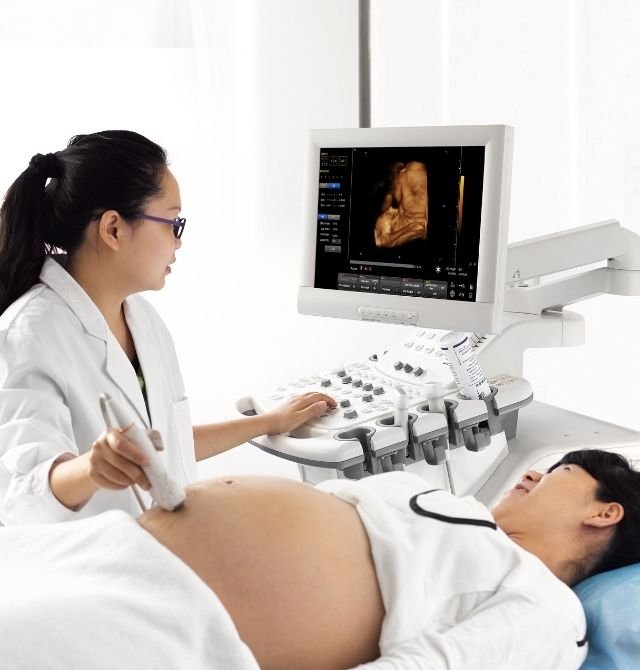
Ultrasound systems are widely used across radiology, cardiology, obstetrics, emergency care, and point-of-care applications. Compared with other modalities, ultrasound relies heavily on real-time grayscale interpretation, dynamic imaging, and flexible viewing positions during examinations.
For OEM integration, the display is not just a screen—it is part of the diagnostic workflow. A well-matched medical display for an ultrasound system helps clinicians read subtle grayscale detail with confidence during scanning.
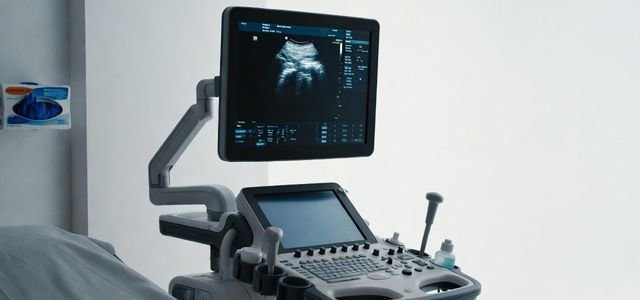
Coverage across mainstream ultrasound architectures, designed for OEM integration within ultrasound system platforms.
Main consoles, exam rooms, multi-probe workflows
Bedside use, quick assessments, flexible viewing
Custom bezels, stands, arms, embedded mounting
Mobile scanning, compact integration constraints
Diagnostic viewing and review environments
Model locking and long lifecycle planning
OEM ultrasound programs often require a display partner who can align performance requirements with mechanical, interface, and lifecycle constraints. This is where an experienced ultrasound display supplier can reduce integration risk.
Ultrasound is distinct from radiology diagnostic reading and surgical display usage. It emphasizes real-time grayscale imaging, operator movement, and flexible viewing during exams—requiring a dedicated integration approach.
| Challenge | Why it matters in ultrasound workflows |
|---|---|
| Stable grayscale performance during scanning for sonography imaging | Supports interpretation of subtle tissue contrast and helps maintain consistent visual response across exams. |
| Visibility from multiple viewing angles for bedside and shared viewing | Clinicians move around the patient; consistent visibility helps maintain image perception without frequent repositioning. |
| Continuous real-time imaging support for long scanning sessions | Reliability under sustained operation reduces interruptions and supports smooth clinical workflow. |
| Compact integration for carts and portable systems with strict ID constraints | Ultrasound systems often require shallow depth, clean cable routing, and robust mounting for frequent movement. |
| Model stability across long product lifecycles for OEM programs | Consistent model availability supports validation, documentation, and stable mass production plans. |
Reshin partners with ultrasound system manufacturers as a long-term display supplier, supporting both system integration and lifecycle planning. Our solutions align with ultrasound workflows from routine exams to mobile and point-of-care applications, while maintaining stability across extended production timelines.
For ultrasound monitor OEM programs, early alignment on interfaces and mechanical constraints is key to reducing redesign and validation risk.
A structured process helps reduce redesign risk and supports consistent production for regulated ultrasound projects.
Common ultrasound architectures where a monitor for ultrasound machines must balance flexibility, stable grayscale, and OEM integration constraints.
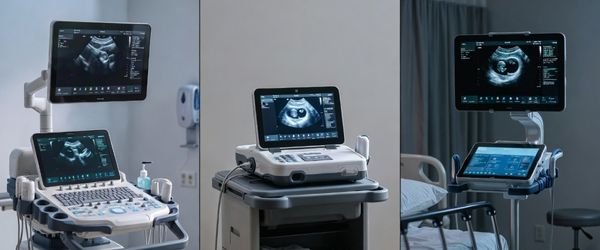
Category-level guidance for selecting displays for ultrasound systems—without replacing detailed product pages.
Designed for stable grayscale response and dependable performance across routine scanning workflows.
Best for: general ultrasound rooms, OB/GYN, cardiology scanning environments.
Support shared viewing and flexible operator positions around the patient during exams.
Best for: bedside exams, teaching hospitals, multi-user viewing.
Fit space-constrained enclosures while maintaining reliable operation for mobile and POCUS use.
Best for: portable ultrasound devices, emergency care, point-of-care workflows.
Cart-based platforms commonly prioritize interface stability, mechanical robustness, and long-term model consistency.
Portable/POCUS platforms often prioritize compact integration, viewing flexibility, and reliable operation during frequent movement.
If you are developing or manufacturing ultrasound systems and need a reliable OEM display partner, Reshin offers medical displays built for ultrasound workflows, long-term supply stability, and integration support across cart-based, portable, and point-of-care platforms.
Telephone:+8613410479204
What to share: platform type, target size, interface, mounting, lifecycle plan
To provide the best experiences, we use technologies like cookies to store and/or access device information, Consenting to thesetechnologies will allow us to process data such as browsing behavior or unique lDs on this site, Not consenting or withdrawing consentmay adversely affect certain features and functions.
We will contact you within 1 working day, please pay attention to the email with the suffix “@reshinmonitors.com”.
We will contact you within 1 working day, please pay attention to the email with the suffix “@reshinmonitors.com”.