
Reshin works with equipment manufacturers and private-label brands on OEM medical monitor supply. This page defines the cooperation model, branding responsibilities, approved configuration, sample and pilot stages, and change-control expectations. Detailed engineering changes are reviewed through the custom display process.
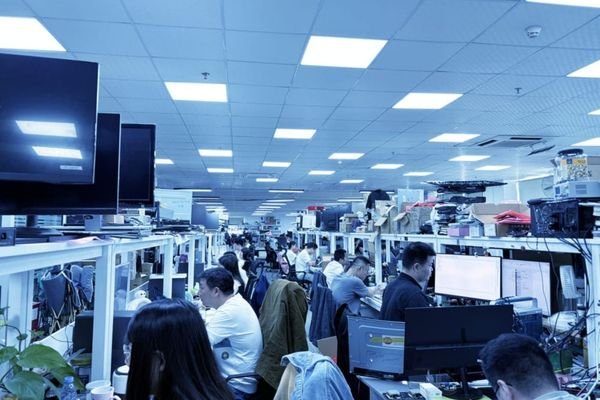
Built for medical equipment manufacturers and OEM brands who need a dependable medical display OEM manufacturer—with long-term cooperation, stable specifications, and project-aligned support rather than one-off supply.
Typical applications include imaging systems, surgical platforms, diagnostic workstations, and integrated devices requiring consistent display behavior across multi-year lifecycles.
Teams integrating displays into equipment platforms that require stable supply across development, pilot, and mass production.
Focus: stability • controlled change • lifecycle planning
Programs needing consistent branding, model definition, and configuration management for long-term delivery.
Focus: medical monitor private label • model differentiation
Brands managing multiple SKUs that need standardization with controlled variations across product families.
Focus: platform baseline • multi-SKU execution
Agree what will be supplied, who owns the branding and documentation inputs, who performs final assembly, and who approves the configuration. OEM supply and deeper ODM development require different scopes; feasibility and responsibilities should be recorded before sample or tooling commitments.
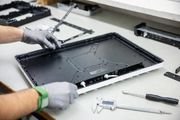
Customization should be spec-based and traceable—from mechanical fit to I/O mapping and default behavior.
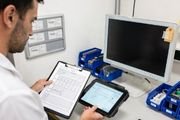
Predictable revisions help avoid unexpected re-validation work and keep system performance consistent over time.

Stable sourcing and lifecycle planning ensure the same model can be supplied across multiple project phases.
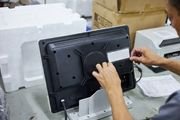
Logo, labels, model naming, and configuration-level differentiation are managed consistently across SKUs.

Beyond standard products: enclosure alignment, connector constraints, and system integration coordination.
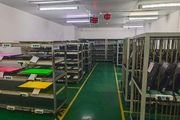
Structured cooperation helps maintain stable specs and predictable delivery over extended timelines.
A finished monitor supplied to an approved configuration; confirm branding, accessories and model documentation.
Agree logo artwork, nameplate, model naming, packaging, language and responsibility for destination-market requirements.
Discuss the exact parts list, assembly boundary, testing and traceability responsibilities before confirming feasibility.
Define the baseline, required design changes, development deliverables, validation responsibilities and approval milestones before committing to the program.
OEM programs often run into issues when specifications drift, components change frequently, or private label requirements are not standardized. Choosing a disciplined medical display customization manufacturer helps reduce these risks.
Reshin works as a long-term OEM medical display supplier by supporting the full lifecycle: requirement alignment, controlled revisions, production continuity, and long-term availability planning.
Confirm target size/specs, interface needs, mounting constraints, and private label requirements early.
Iterate with controlled versions to reduce rework and keep verification aligned with documentation.
Lock key components, align yields, and plan supply windows to keep performance consistent across builds.
Lifecycle monitoring and controlled revisions help keep your platform stable over multi-year programs.
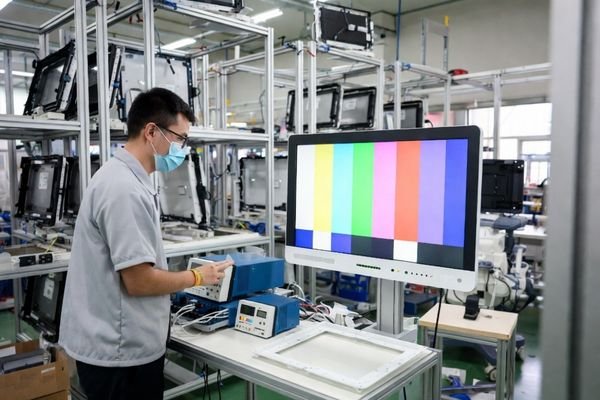
See how Reshin supported a medical equipment company in defining a controlled display configuration before sample evaluation, private-label preparation and longer-term supply planning.
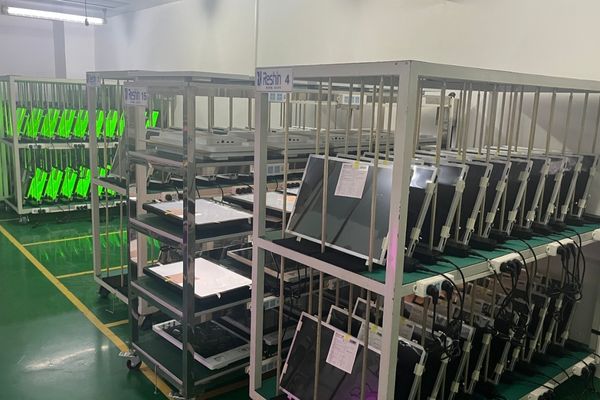
The project focused on identifying an existing medical display as the program baseline, separating essential adaptations from optional requests, and aligning interface, mechanical, branding and documentation inputs before sampling. The review also included sample-to-pilot consistency, revision communication and repeat-supply planning.
OEM and private-label display
Controlled configuration
Pre-sample review
Customer identity, project location, commercial information and selected configuration details are withheld due to confidentiality requirements.
Below are common cooperation patterns used by medical equipment manufacturers and OEM brands to maintain stability, enable private label differentiation, and support long-term delivery.
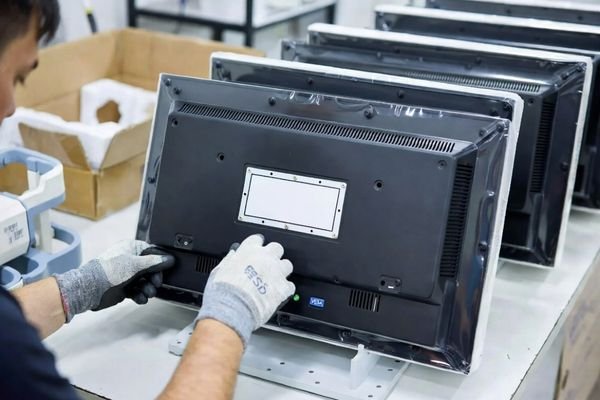
Branding, label sets, model naming, and configuration defaults for medical monitor private label programs.
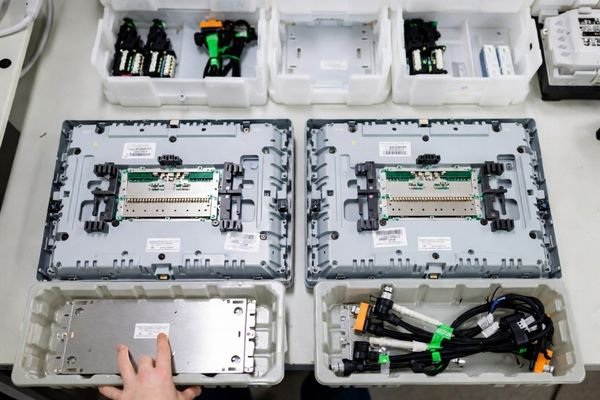
Fix key components to keep display behavior stable and reduce validation drift during extended timelines.
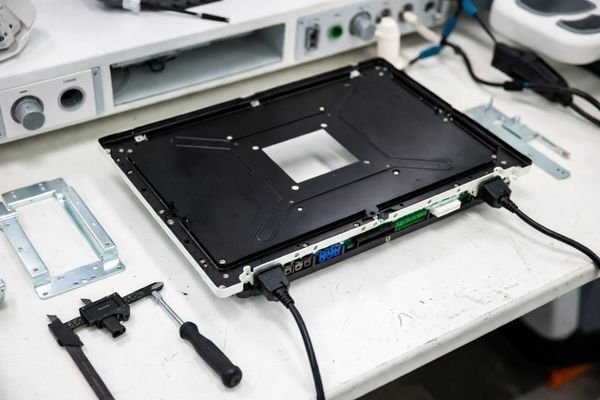
Enclosure alignment, mounting, connectors, and I/O mapping for systems requiring fit-ready execution.
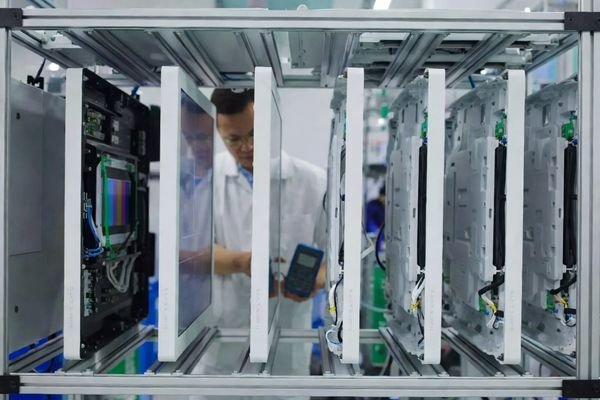
Standardize a baseline across teams while enabling controlled variations per product line for consistent procurement.
For an OEM manufacturing agreement, confirm the approved specification, sample sign-off, pilot acceptance, inspection records, labeling responsibilities, supply planning and change-notification process. Use the custom display page to define technical changes before freezing the production configuration.
Maintain consistent specifications across releases and production batches to reduce re-validation risk and avoid unexpected behavior changes in regulated systems.
Best for: regulated programs and multi-year deployments
Support spec-based customization that is traceable and scalable—so private label execution and model differentiation remain consistent across SKUs.
Best for: OEM brands requiring private label and variant controls
Enable smooth system integration by aligning interface options and behavior expectations with equipment platforms, minimizing late-stage mechanical and electrical conflicts.
Best for: integrated medical devices and platform-based products
Build a stable supply model that supports long-cycle programs, phased production, and replenishment planning—while keeping specs consistent over time.
Best for: long-term supply agreements and multi-phase rollouts
State the preferred supply model, brand owner and target countries.
Specify the standard model or approved custom configuration, sample quantity, pilot quantity and forecast annual demand.
List required documents, packaging languages, warranty expectations and customer-side approval steps.
Price, minimum order quantity and lead time should be confirmed for the agreed scope.
If you are a medical equipment manufacturer or OEM brand looking for a reliable OEM/ODM partner, Reshin offers structured cooperation designed for regulated projects, long-term supply stability, and engineering-level collaboration.
As an OEM medical display supplier, we support programs that require stable specifications, private label execution, and predictable delivery across multi-phase timelines.
To start quickly, share target size/resolution, interfaces, mounting constraints, and any private label requirements. We’ll respond with a structured cooperation proposal.
We use cookies to improve website functionality, analyze site performance, and protect inquiry forms from spam. You can accept all cookies, reject non-essential cookies, or manage your preferences at any time.
WhatsApp Inquiry
Tell us the application, model or required specification, quantity and destination country. We will review your request and reply by email.