
Reshin reviews display requirements for C-arm and mobile fluoroscopy systems. Define the live-image and reference-image positions, source outputs, screen layout and cart or arm constraints. Candidate displays should be tested with the actual imaging system for timing, signal continuity, viewing conditions and mechanical fit.
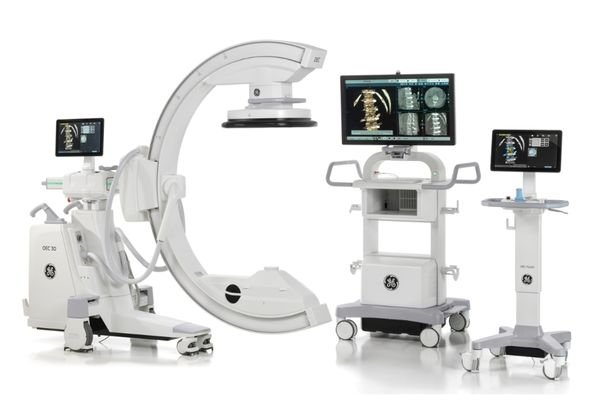
C-arm and mobile imaging systems are often used in interventional radiology, orthopedics, pain management, and hybrid OR environments. Unlike fixed diagnostic workstations, these platforms must support real-time image viewing during repositioning, movement, and procedure-side interaction while maintaining stable behavior across longer equipment lifecycles.
Display output should remain visually stable during continuous motion and rapid procedural image updates.
Display behavior should remain dependable in complex OR and procedure-side operating environments.
Display solutions should fit carts, articulated arms, cable paths, and repeated positioning movement.
Longer-term model planning helps support validation continuity and regulated medical equipment programs.
C-arm workflows are dominated by continuous image movement, frequent repositioning, and procedure-side interaction. That means display selection is shaped not only by image quality, but also by latency behavior, cart and arm compatibility, mounting logic, and longer-term project continuity.
In other words, this is often a system-integration problem rather than a simple monitor replacement decision.
Image continuity matters more when movement, repositioning, and fluoroscopy updates are part of routine use.
Display integration often depends on cart structure, articulated arms, cable routing, and practical movement limits.
Display behavior should remain dependable across OR lighting changes and fast interventional workflow conditions.
Regulated C-arm projects often need steadier model direction and more predictable deployment continuity.
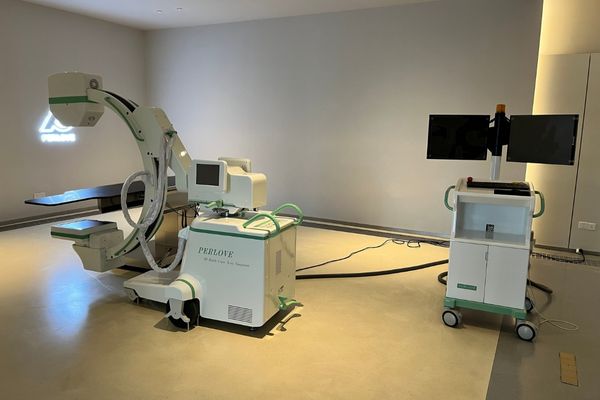
Relevant to mobile and interventional imaging programs that require stable display behavior and practical system fit.
A C-arm workflow is shaped by continuous image movement, frequent repositioning, and procedure-side visibility requirements. That means cart and arm mechanics, interventional workflow logic, display consistency, and regulated lifecycle expectations all become part of the integration decision.
Record the source resolution, refresh rate, connector and any converter in the path. Test live and reference image behavior.
Specify separate monitors or multiple windows on one display, and define the intended operator controls.
Confirm monitor weight, VESA pattern, arm load, cable bend and connector clearance throughout movement.
Test the complete source-to-display path under agreed conditions. Panel response time is not the same as end-to-end latency.
Record the approved model, configuration, sample result and required replacement arrangement.
In mobile imaging projects, display selection is often judged through movement, latency, integration, and continuity requirements rather than specification comparison alone.
Display response should stay visually dependable during real-time fluoroscopy and frequent procedural updates.
Display integration should align with carts, articulated arms, cable paths, and movement conditions.
Visibility needs to remain practical across bright OR conditions and mobile positioning changes.
Longer-term model direction often matters for regulated rollout and later equipment support continuity.
This solution is designed to support C-arm and mobile imaging projects that need real-time image behavior, mobile system integration, and steadier lifecycle planning across regulated equipment programs.
Common deployment situations where mobility, arm positioning, and interventional workflow visibility all matter.
Configured for procedure suites that require stable viewing during movement and repeated positioning.
Integration-ready for arm-mounted viewing where positioning range and visibility requirements matter.
Aligned with interventional radiology requirements and broader OR-side imaging ecosystems.
Designed for cart and boom integration where movement control and display stability both matter.
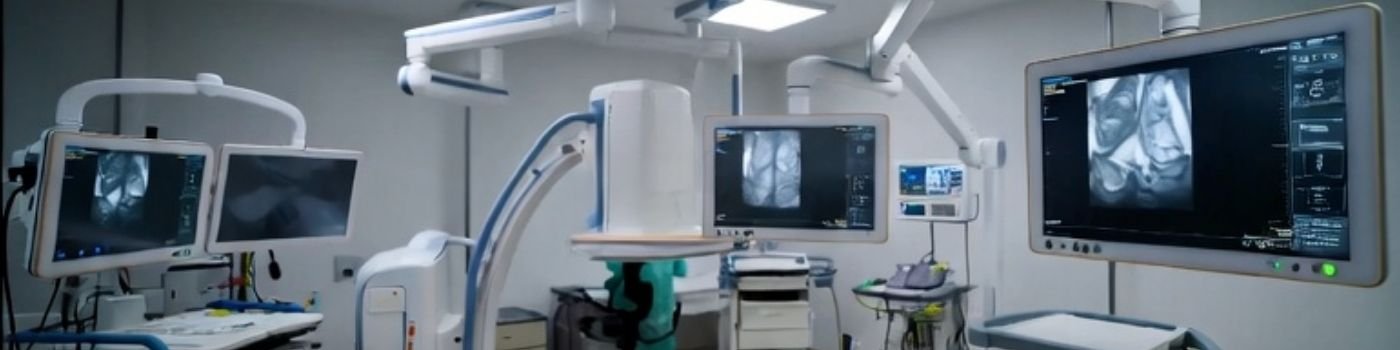
These are common questions from C-arm manufacturers and mobile imaging teams reviewing display solutions for fluoroscopy and interventional workflows.
It is mainly intended for C-arm, mobile fluoroscopy, and interventional imaging equipment programs.
Teams often review latency behavior, mobile structure fit, visibility stability, and longer-term continuity.
They can support projects that involve carts, articulated arms, and mobile positioning structures together.
Sharing system type, display position, latency expectations, mounting direction, and project stage helps a lot.
This page is more focused on equipment-side mobile imaging projects rather than hospital purchasing only.
Yes. Many projects also involve movement fit, workflow timing, and longer-term rollout continuity.
Yes. C-arm programs often need steadier model planning and more controlled deployment continuity.
That is usually the goal through better latency direction, mechanical fit, and clearer coordination.
Use the models below as starting points for an engineering review. Confirm source formats, required screen layouts, mounting limits and the approved configuration before sample selection.
Suitable for real-time imaging environments where motion and continuous updates are part of routine use.
Useful for mobile cart environments where visibility must remain dependable under varied room lighting.
Review the MD80CTOR specification against the required source formats, screen layout and mounting conditions. Confirm the exact configuration before sampling.
If you are developing a C-arm or mobile imaging system and need display support for fluoroscopy, interventional workflows, or mobile integration, Reshin can help you evaluate a more suitable solution direction for latency, positioning, and longer-term program continuity.
We use cookies to improve website functionality, analyze site performance, and protect inquiry forms from spam. You can accept all cookies, reject non-essential cookies, or manage your preferences at any time.
Tell us the application, model or required specification, quantity and destination country. We will review your request and reply by email.