
Reshin develops and manufactures medical display platforms for equipment brands and system integrators that require engineering review, controlled production, supplier documentation and longer-term supply coordination.
Typical evaluation inputs include equipment type, intended application, target display size, signal interfaces, mounting constraints, target market and current project stage.
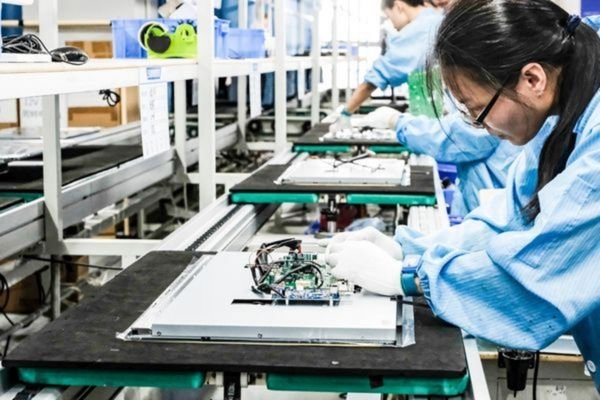
This page is intended for organizations evaluating a medical display as part of equipment development, system integration or longer-term supply—not for general-purpose standalone monitor procurement.
For manufacturers developing diagnostic, surgical, imaging or procedure-oriented equipment in which display behavior forms part of the complete system requirement.
For brands that require stable display platforms, controlled configurations, documentation coordination and repeatable supply.
For integration teams reviewing interface compatibility, installation logic, display behavior and deployment continuity across complete systems.
For cross-functional teams responsible for technical evaluation, supplier qualification, sample approval and longer-term sourcing decisions.
Reshin is typically evaluated for projects where equipment fit, interface alignment, validation readiness, supplier documentation and long-term model continuity matter.
Before sampling or supplier approval, buyers usually need to confirm whether the display platform fits the equipment, whether the manufacturer can support technical evaluation, and whether the approved configuration can remain controlled over time.
The display platform should align with the equipment structure, installation method, intended application and actual workflow.
Interface behavior, image requirements, mounting conditions, sample criteria and validation responsibilities should be reviewed before model approval.
Buyers should identify what can remain standard, what must change for equipment fit, and what changes may affect validation or documentation.
Quality controls, applicable product documents, controlled changes, replacement planning and longer-term supply should be reviewed as part of supplier approval.
Reshin supports project communication from initial requirement alignment through engineering review, sample evaluation, documentation coordination and longer-term supply planning.
Clarify equipment type, application, interfaces, installation constraints, target market and project stage.
Review platform fit, display behavior, mechanical conditions and technical risks before sampling.
Support agreed testing for image behavior, interfaces, mounting compatibility and system-side feasibility.
Coordinate approved configurations, documentation inputs, controlled changes and longer-term continuity.
The goal is not simply to recommend a model, but to help the buyer move from initial supplier review into a defined evaluation path, sample criteria, configuration approval and practical supply planning.

Confirm application, equipment structure, interface expectations, target market and project direction before model comparison goes too far.
Identify suitable standard platforms and define sample checks for display behavior, interfaces, mounting and equipment fit.
Clarify what can remain standard and what requires controlled adaptation, including possible validation and documentation impact.
Provide applicable product information and available evaluation materials according to the selected model and project scope.
Review model continuity, controlled revisions, replacement direction and longer-term supply expectations.
Many OEM projects can begin with an existing medical display platform. Where equipment fit requires changes, the scope should be reviewed against manufacturability, validation impact, documentation requirements and longer-term supply.
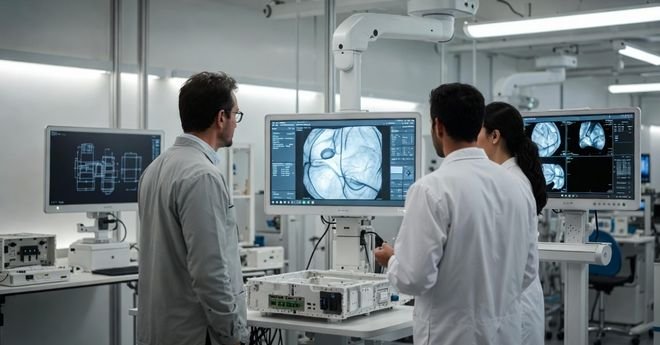
Reshin first reviews what can remain standard and what must change for practical equipment integration. The objective is to improve project fit without creating unnecessary variation or approval risk.
Use the relevant project page for more detailed technical requirements, product direction and workflow-specific evaluation.
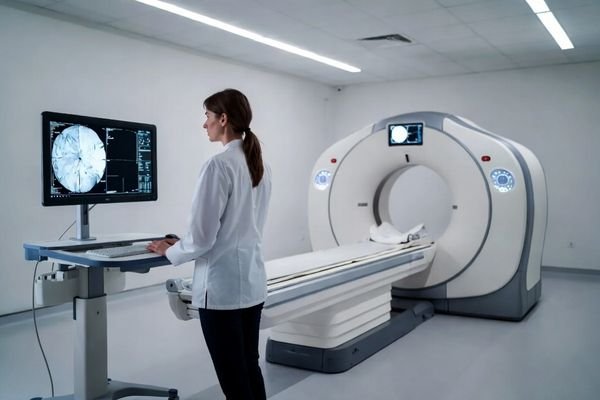
For radiology equipment and diagnostic imaging projects that require DICOM-oriented display behavior, image consistency and controlled model continuity.
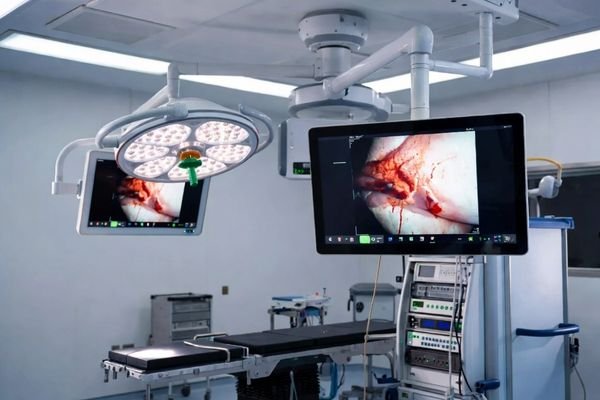
For surgical, endoscopy and procedure-oriented systems requiring real-time signal review, display integration and equipment-side compatibility.
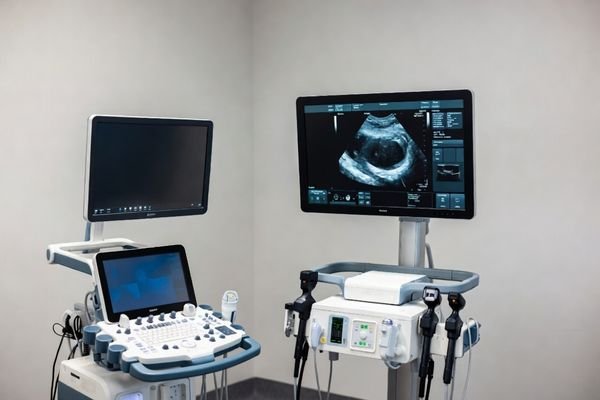
For single-screen, dual-monitor and multi-room PACS workstation planning, standardization and longer-term deployment.
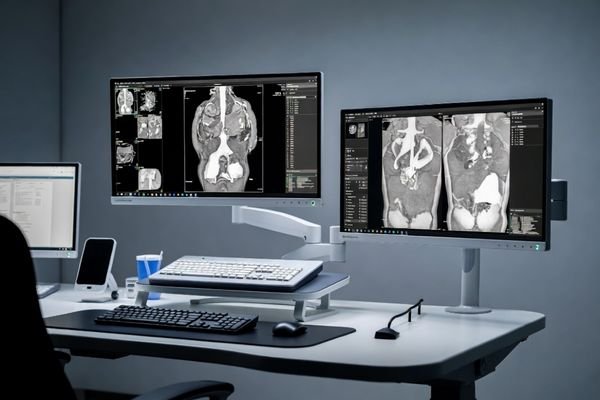
For projects requiring reviewed changes to interfaces, structure, optics, firmware, branding or other defined configuration items.
Review selected anonymized projects showing how Reshin supported supplier evaluation, display selection, integration planning, configuration review and deployment continuity.
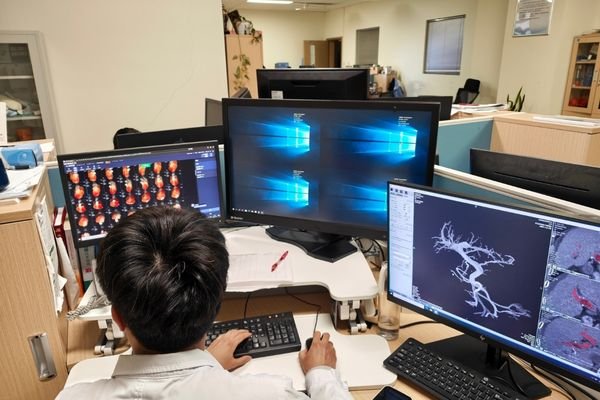
A radiology equipment manufacturer needed to separate immediate 2MP and 3MP diagnostic display requirements from possible future higher-resolution directions before sample evaluation.
Project focus: Workstation-role mapping, technical review and model continuity.
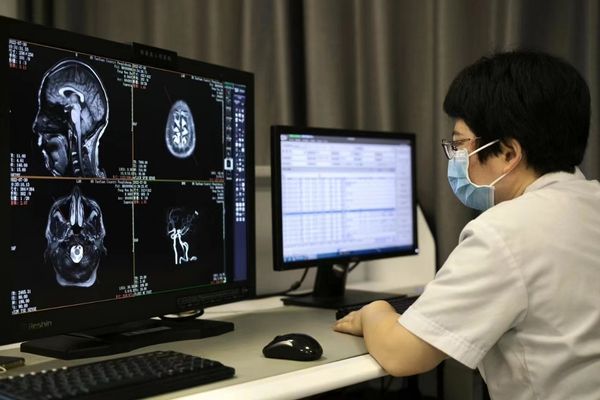
A PACS workstation project needed to organize general review, diagnostic reading, image comparison and multi-window use into repeatable single-screen, dual-monitor and wide-format display profiles.
Project focus: Workstation-profile definition, screen-layout planning and deployment consistency.
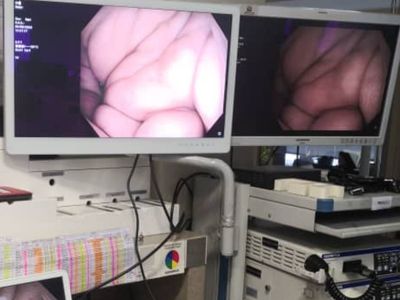
An endoscopy system manufacturer reviewed FHD and 4K surgical display directions together with processor output, image behavior, tower-side installation and pre-sample integration requirements.
Project focus: Processor compatibility, FHD/4K direction and tower-side fit.

A medical equipment company needed to identify a suitable baseline display platform, define controlled customization and protect configuration consistency from sample review through pilot planning.
Project focus: Baseline selection, configuration freeze and supply continuity.
Supplier evaluation should be based on evidence rather than general manufacturing claims. Before sampling or approval, buyers can review Reshin’s manufacturing controls, engineering capability, applicable certifications, project experience and available documentation.
Review production controls, inspection stages, traceability and controlled change management.
Review display engineering, signal and interface support, calibration capability and manufacturing coordination.
Review public certificates, issuing information and the stated product or quality-system scope.
Review anonymized project examples and available supplier-evaluation information before sample approval.
These are common questions from medical equipment manufacturers, OEM brands, and system integration teams during early project discussions.
Reshin mainly supports medical equipment manufacturers, OEM brands and system integrators that use displays as part of complete medical systems. Hospital-side inquiries can also be reviewed when they involve project deployment or replacement planning.
Buyers can review Reshin’s manufacturing and quality controls, R&D capabilities, applicable certifications, project experience and available product documentation through the Supplier Evaluation Center.
Yes. Reshin can review defined changes when a standard platform does not fully meet the equipment requirement. Detailed feasibility and customization scope are handled through the Customized Medical Display process.
Buyers should review equipment fit, engineering and sample support, manufacturing controls, applicable documentation, configuration stability and longer-term supply continuity.
Sample evaluation can include interface behavior, image performance, mounting compatibility, structure fit and other agreed criteria related to the intended equipment and workflow.
Support can include approved configuration control, documented revisions, replacement planning and longer-term supply coordination according to the model and project scope.
Share your equipment type, intended application, target display size, resolution, interfaces, installation constraints, target market, estimated quantity and current project stage. Reshin will review project fit, relevant evidence, likely platform direction and recommended next steps.
We use cookies to improve website functionality, analyze site performance, and protect inquiry forms from spam. You can accept all cookies, reject non-essential cookies, or manage your preferences at any time.
WhatsApp Inquiry
We will contact you within one working day. Please watch for an email from an address ending in @reshinmonitors.com.