Modern surgical operating room digital illustration highlighting key surgical monitor features like 4K resolution, brightness, color accuracy, multi-input ports, and ergonomic mounting.

Top 10 Features of Surgical Monitors

The top 10 most critical features to evaluate in a surgical monitor are:
– High Resolution and Pixel Density for exceptional detail.
– Brightness Levels Suitable for Surgical Lighting.
– Wide Color Gamut and Color Accuracy for tissue differentiation.
– Low Latency for real-time video feedback.
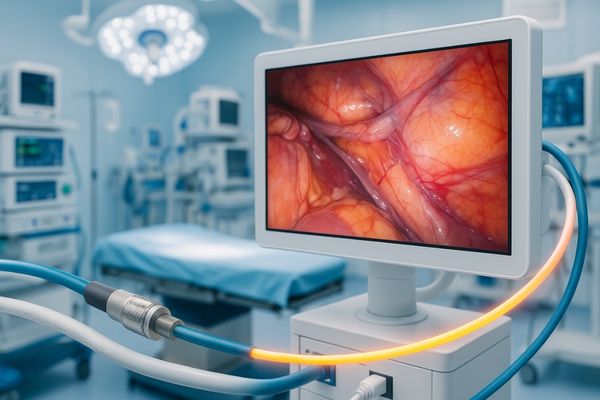
– Multiple Signal Input Compatibility for seamless integration.
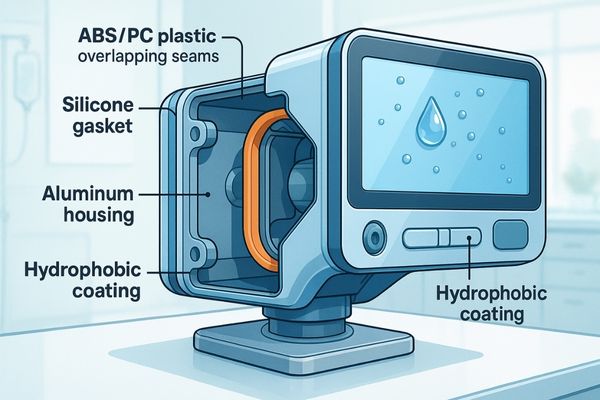
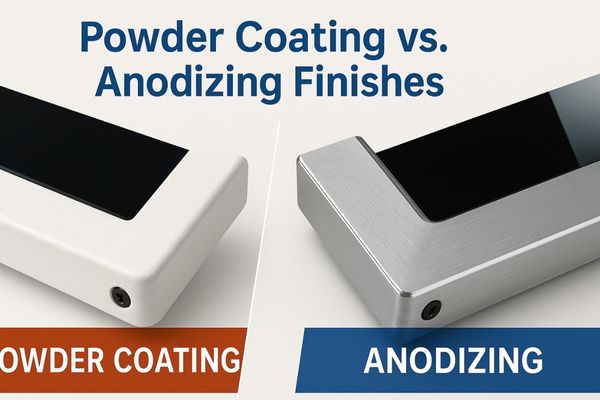
– Durability and Medical-Grade Housing to withstand the OR environment.
– An Easy Cleaning and Disinfection Design for infection control.
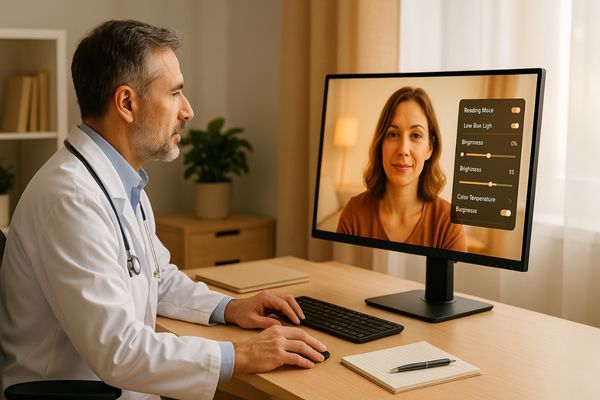
– Anti-Reflection and Anti-Glare Coatings to reduce eye strain.
– Flexible Mounting and Ergonomics for optimal positioning.
– Long Lifespan and Reliable Performance for long-term value.

Read More »
Water splashing against a surgical monitor during a water resistance test, illustrating IPX4 protection for medical displays

Waterproof Level IPX1 vs IPX4: Which Is Enough?

For surgical monitors, IPX4 is typically enough while IPX1 is insufficient. IPX1 only protects against vertically dripping water, offering minimal protection in medical settings. IPX4 resists splashes from all directions, making it suitable for operating rooms where liquids frequently spray during procedures and cleaning.

Read More »

Ask For A Quick Quote

We will contact you within 1 working day, please pay attention to the email with the suffix “@reshinmonitors.com”

Ask For A Quick Quote

We will contact you within 1 working day, please pay attention to the email with the suffix “@reshinmonitors.com”