HDR Technology in Medical Displays
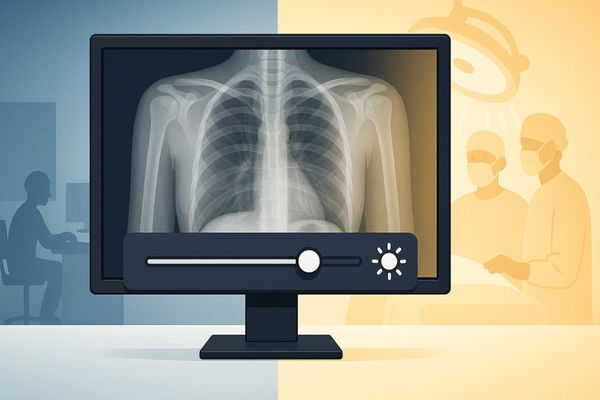
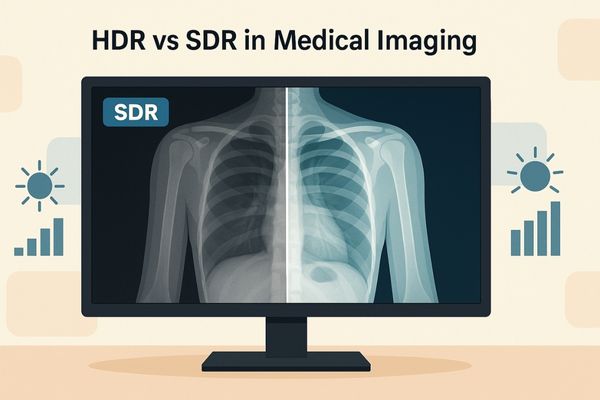
HDR enhances medical imaging with a wider dynamic range, improved lesion visibility through better contrast, and more accurate tissue differentiation via a wide color gamut, benefiting both diagnostics and surgery.
Explore practical articles on medical display sourcing, OEM cooperation, diagnostic and surgical workflows, compliance preparation, and long-term supply planning.

HDR enhances medical imaging with a wider dynamic range, improved lesion visibility through better contrast, and more accurate tissue differentiation via a wide color gamut, benefiting both diagnostics and surgery.

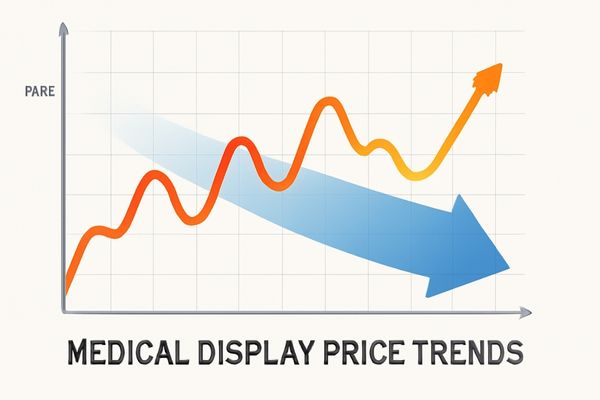
Medical display prices are shaped by a mix of factors. Technological advances and growing global demand tend to lower costs over time, while supply chain issues create short-term spikes. The market is stabilizing, but premium features will always command higher prices.

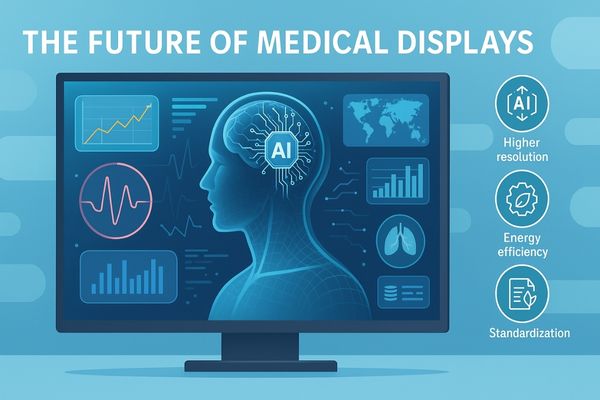
The medical display industry is moving from caution to active integration of AI. Leaders now recognize its potential to enhance image quality, automate quality assurance, and create smarter diagnostic and surgical workflows.

This article covers the optimal configuration of surgical displays. We will discuss display quantity, size, placement, input management, ergonomic mounting, and system compatibility to create a seamless and efficient operating room environment.

Medical displays significantly impact precision medicine by enabling accurate interpretation of complex imaging data. They support multimodal visualization, ensure color-critical tissue differentiation, and facilitate collaboration. This high-fidelity view is essential for developing personalized, data-driven treatment strategies for each patient.

This article explains the essential imaging standards for medical displays. We will explore the framework of these rules, covering DICOM for image consistency, IEC and FDA for safety, calibration for accuracy, and how guidelines are evolving for future technologies.

The most common panel types in medical displays include:
– IPS: For color accuracy and wide viewing angles.
– VA: For high contrast.
– OLED: For true blacks and fast response.
– TFT: For cost-effective basic uses.
Choosing the right panel depends on the specific clinical application.

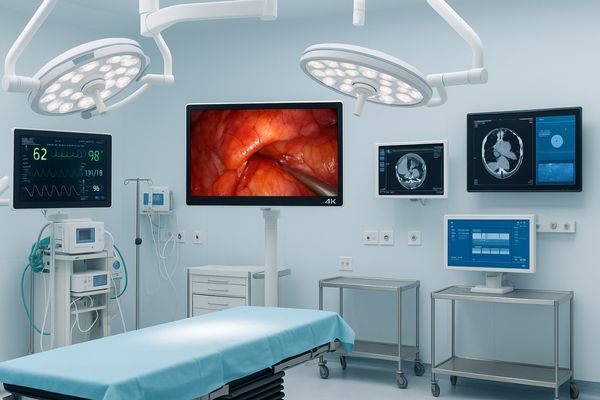
Medical displays are a central component in operating rooms. They provide precise real-time visualization for surgical navigation, high brightness to overcome ambient light, multiple inputs for equipment integration, ergonomic designs to reduce fatigue, and sterile surfaces for infection control.

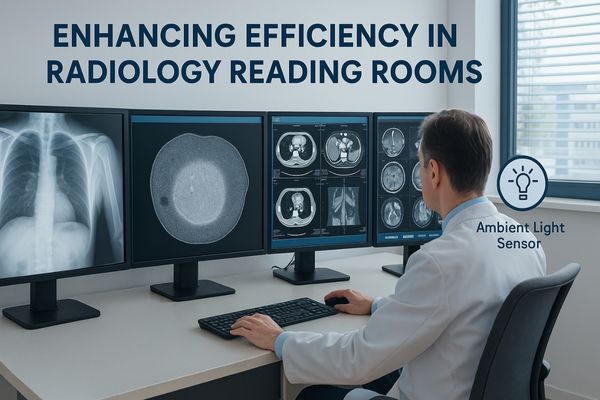
High-resolution medical displays, particularly those with 5 megapixels (MP) or more, are essential for enhancing tumor boundary visualization. They render the subtle texture and density variations between malignant and healthy tissue with superior clarity, which is critical for accurate diagnosis and surgical planning.
Start with the most useful guide for new buyers and OEM teams evaluating medical display suppliers.

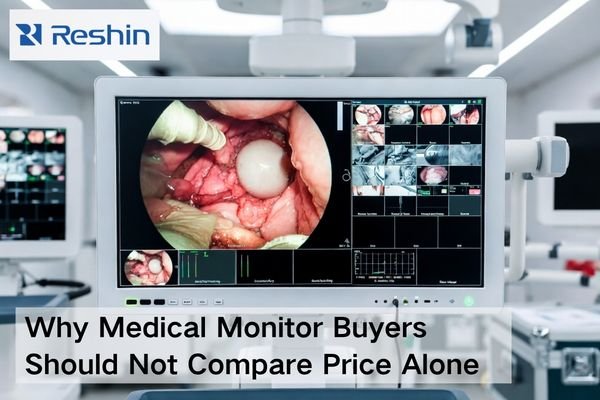
Medical monitor buyers should not compare price alone because a quotation only reflects the visible purchase cost, while the real project cost also includes compatibility risk, validation effort, after-sales recovery speed, document readiness, delivery coordination, and future supply stability. A better procurement decision comes from evaluating total project risk, not just the initial number on the quote.

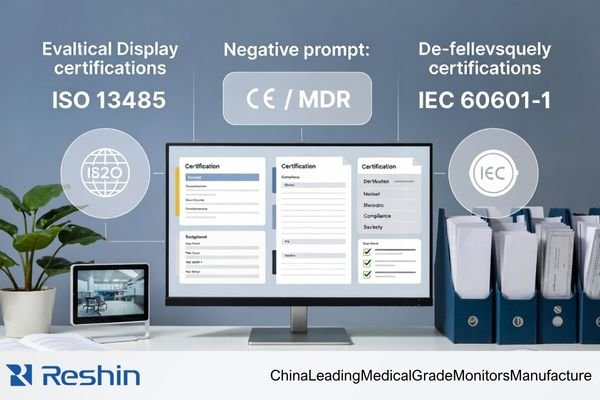
When evaluating a medical display manufacturer from a distributor’s perspective, the focus should not be on the quantity of certificates. The more important task is to identify which certifications and compliance documents actually support medical quality control, product compliance, and documentation readiness. In most cases, ISO 13485, product-related compliance information, and evidence of document traceability matter far more than general company awards or patent counts.

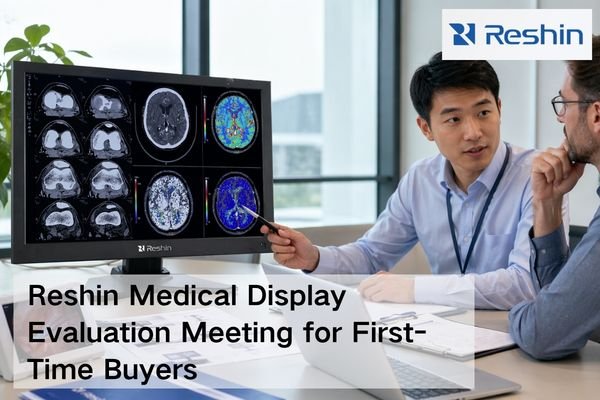
When buying a medical display from China for the first time, the safest approach is to confirm six things early: the exact application scope, alignment between sample and production, documentation support, OEM/customization boundaries, supply continuity, and communication quality. A capable medical display manufacturer should be able to support all six, not just provide a competitive first quotation.
We use cookies to improve website functionality, analyze site performance, and protect inquiry forms from spam. You can accept all cookies, reject non-essential cookies, or manage your preferences at any time.
We will contact you within one working day. Please watch for an email from an address ending in @reshinmonitors.com.