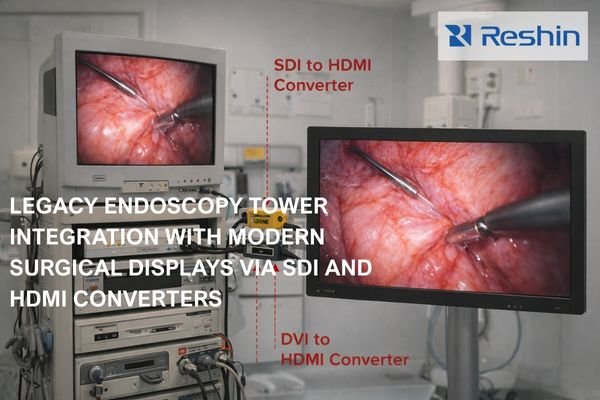
Medical-grade surgical monitor displaying microscope video with a magnified detail inset, connected to a surgical microscope system in an operating room setup.

What Type of Surgical Monitor Fits Microsurgery (Microscope Video)?

Microsurgery monitors must preserve fine-detail visualization and stable tone reproduction from surgical microscope video feeds, emphasizing crisp edge definition, low-contrast tissue texture separation, and consistent color rendering throughout extended procedures. Selection should prioritize native timing compatibility, predictable picture behavior, and viewing characteristics that support multiple clinicians observing subtle surgical details simultaneously.

Read More »
Operating room display showing side-by-side white-light and fluorescence-guided surgery images with mode switching panel

What Special Requirements Does Fluorescence-Guided Surgery Put on Surgical Monitors?

Fluorescence-guided surgery requires surgical monitors to support stable low-level contrast discrimination, consistent color handling across white-light and fluorescence modes, minimal switching latency, and predictable behavior during the frequent state transitions that occur throughout procedures. These requirements extend beyond basic image quality to include system-level reliability, repeatable modes, and stable overlay presentation.

Read More »
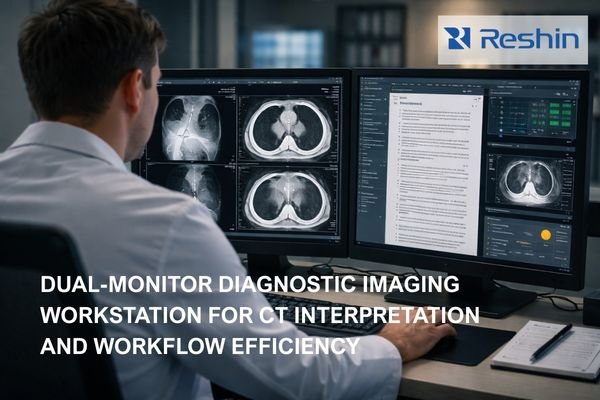
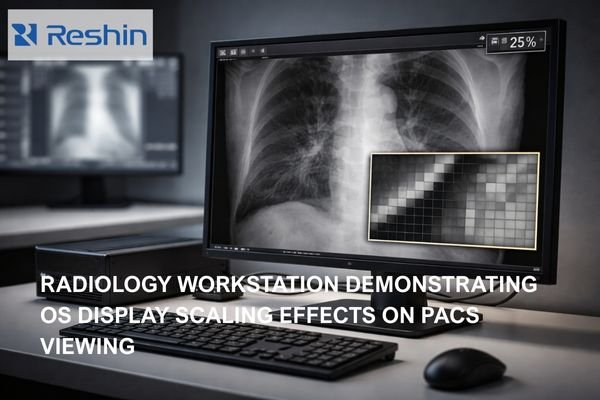
Modern radiology workstation showing diagnostic monitor with medical image displaying pixel test patch comparing crisp 1:1 mapping versus softened scaled output

Why Does OS Display Scaling Affect PACS Viewing?

OS display scaling affects PACS viewing by introducing resampling between application rendering and final display output, potentially breaking 1:1 pixel mapping even when PACS viewers report “100%” zoom. This scaling can soften edges, alter noise texture, and create inconsistent diagnostic presentation across workstations with different scaling configurations or DPI settings.

Read More »
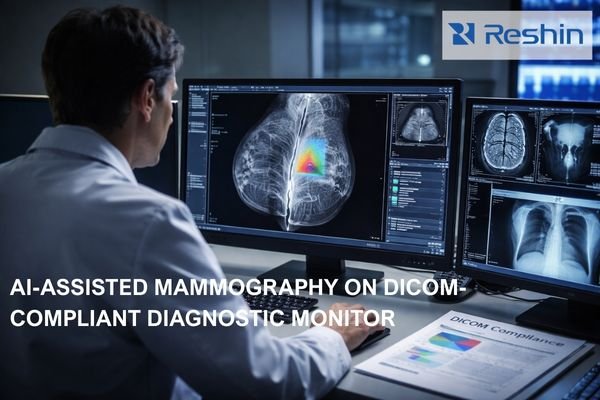
Radiologist reviewing AI-assisted mammogram with heatmap overlay on a DICOM-calibrated diagnostic monitor, alongside additional brain and chest scans and a DICOM compliance report

Why must AI-assisted systems use DICOM Part 14 monitors?

AI-assisted medical imaging systems require DICOM Part 14 compliant monitors to ensure consistent grayscale perception and standardized visual interpretation of AI outputs including overlays, heatmaps, and probability indicators. Non-compliant displays introduce perception variability that can affect clinical decision-making and undermine AI system governance.

Read More »
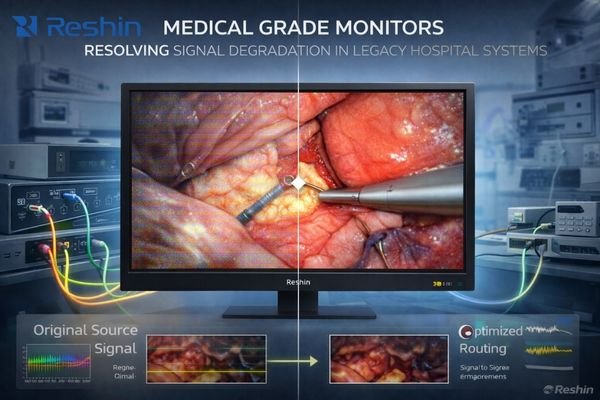
Modern medical monitor resolving signal degradation in legacy hospital systems.

How do signal capabilities of medical grade monitors affect latency and image quality in OR routing?

Medical-grade monitor signal capabilities directly determine whether OR routing systems can maintain native signal paths with minimal conversion, which is critical for preserving both surgical image quality and low latency. When monitors accept the routed formats natively, the system can avoid unnecessary scaling and re-timing stages; when sync handling is stable, switching is less likely to trigger disruptive re-lock events (forced re-synchronization) that interrupt workflow.

Read More »

Ask For A Quick Quote

We will contact you within 1 working day, please pay attention to the email with the suffix “@reshinmonitors.com”

Ask For A Quick Quote

We will contact you within 1 working day, please pay attention to the email with the suffix “@reshinmonitors.com”