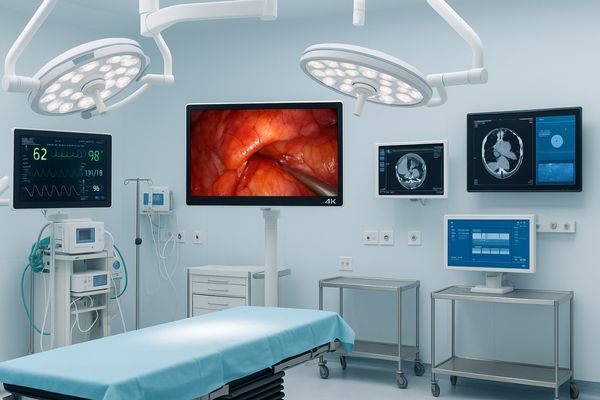
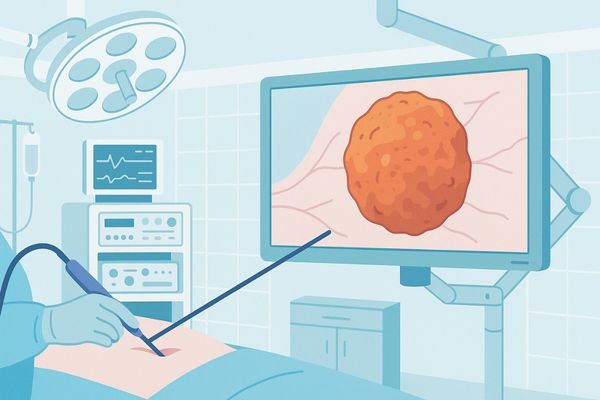
Digital infographic showing telemedicine applications with medical-grade displays, including remote radiology, virtual consultations, multidisciplinary case conferences, tele-ICU monitoring, and real-time telementoring.

Medical-grade displays in telemedicine platforms

Medical-grade displays form the backbone of telemedicine: DICOM-compliant grayscale, stabilized luminance/uniformity, and low latency keep images identical across sites for teleradiology, virtual clinics, MDTs, and Tele-ICUs. Real-world programs show ~140% higher individual throughput and ~40% faster reporting with calibration and remote QA; as telemedicine expands from ~$100B (2024) toward $300B+ by ~2032 (CAGR ~16–17%), demand for high-standard displays will keep rising, enabling faster decisions and better outcomes.
Read More »
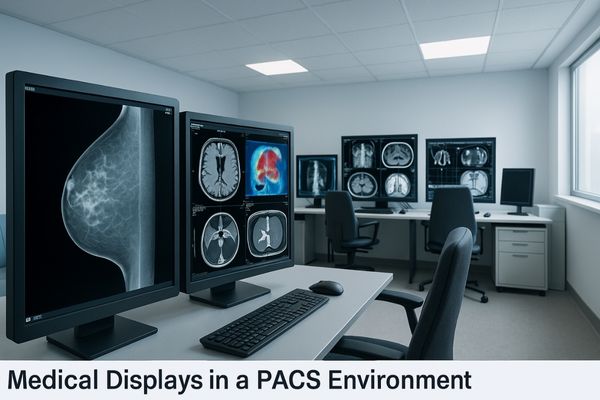
Modern radiology reading room featuring multiple PACS workstations with high-resolution medical displays showing CT, MRI, and mammography images.

The Role of Medical Displays in PACS Systems

High-resolution displays are the foundation of accurate diagnostic imaging within PACS. This article explains how DICOM compliance, multi-modality integration, ergonomic design, and system compatibility work together to create a reliable and efficient diagnostic environment.

Read More »
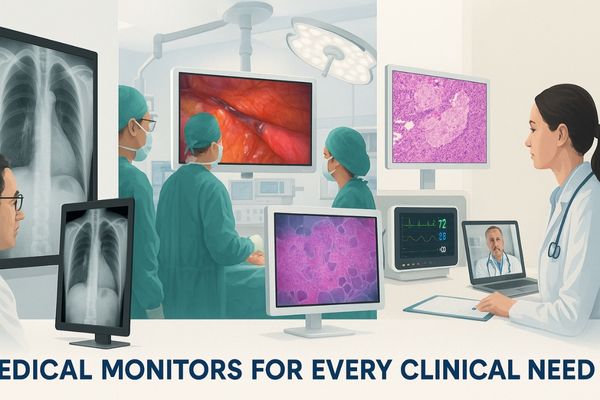
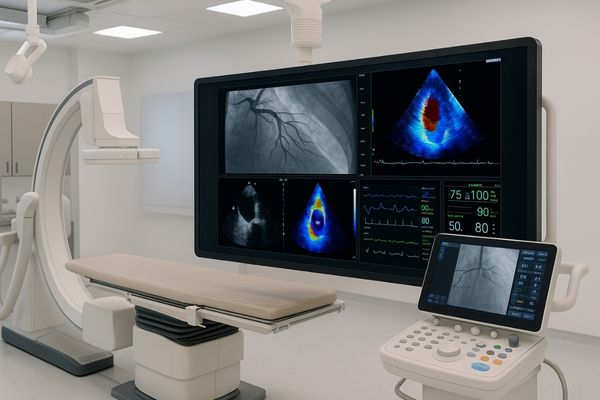
Four specialized medical displays in different hospital settings, showcasing radiology, surgery, pathology, and ICU monitoring applications.

Common Application Scenarios of Medical Monitors

Medical displays are not one-size-fits-all. This article covers specific scenarios like diagnostic radiology, surgery, pathology, ICU monitoring, and telemedicine. We explain how each environment demands unique features like resolution, brightness, and color precision.

Read More »
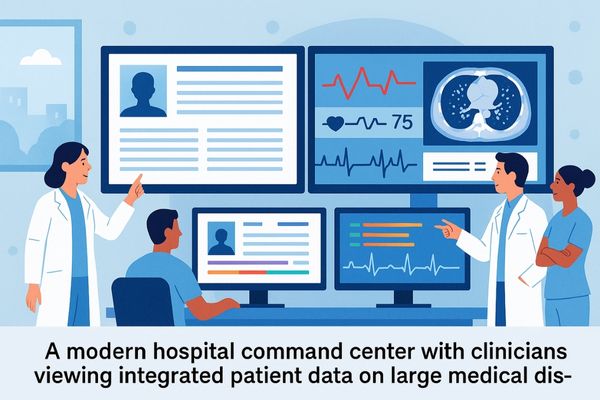
Illustration of a modern hospital command center where clinicians analyze integrated patient data on multiple large medical displays, including vital signs, EMR, and imaging scans.

Medical Displays in Digital Hospitals

Medical displays serve as the core interface in digital hospitals. They enable real-time data visualization, multi-disciplinary collaboration, and seamless integration with core information systems, with future trends pointing toward AI-driven solutions.

Read More »
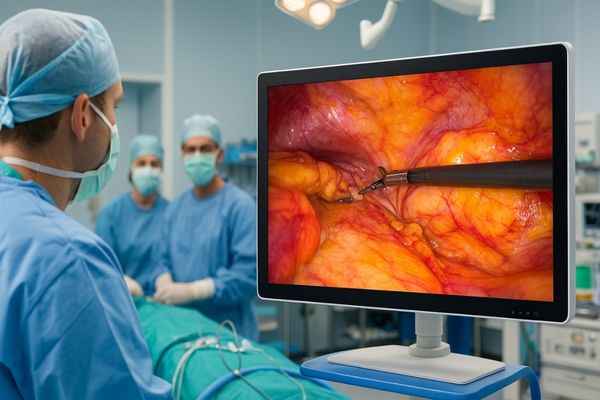
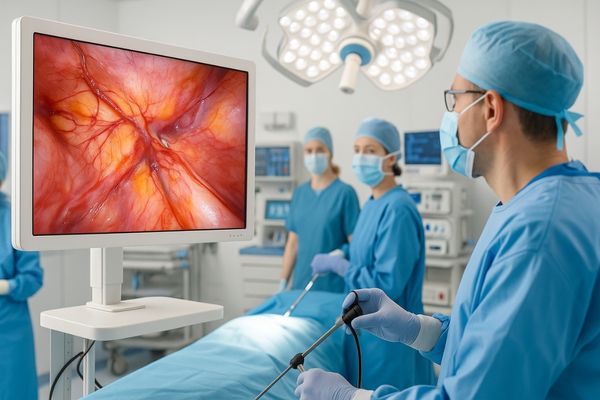
Modern operating room with a large medical display showing surgical imaging, surrounded by medical staff and equipment

The Role of Medical Displays in Operating Rooms

Medical displays are a central component in operating rooms. They provide precise real-time visualization for surgical navigation, high brightness to overcome ambient light, multiple inputs for equipment integration, ergonomic designs to reduce fatigue, and sterile surfaces for infection control.

Read More »

Ask For A Quick Quote

We will contact you within 1 working day, please pay attention to the email with the suffix “@reshinmonitors.com”

Ask For A Quick Quote

We will contact you within 1 working day, please pay attention to the email with the suffix “@reshinmonitors.com”