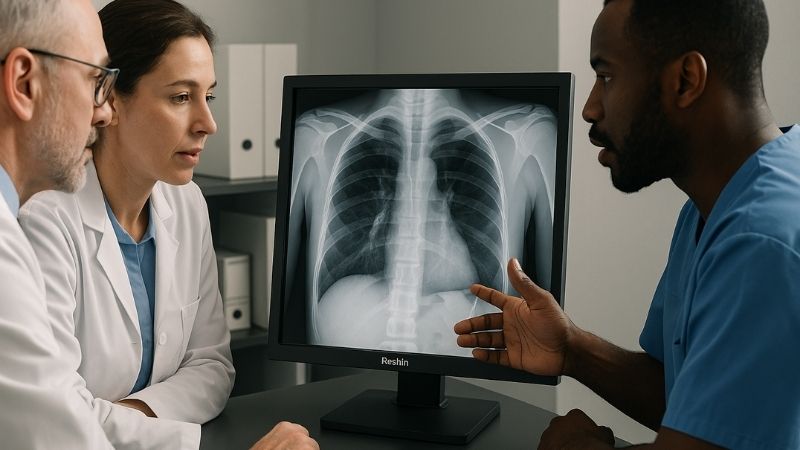
What role does a 2MP display play in radiology and emergency care?
In radiology and emergency care, doctors need clear images fast—but budgets are tight. The wrong monitor can cause misreads, delays, or wasted money on unnecessary

In radiology and emergency care, doctors need clear images fast—but budgets are tight. The wrong monitor can cause misreads, delays, or wasted money on unnecessary
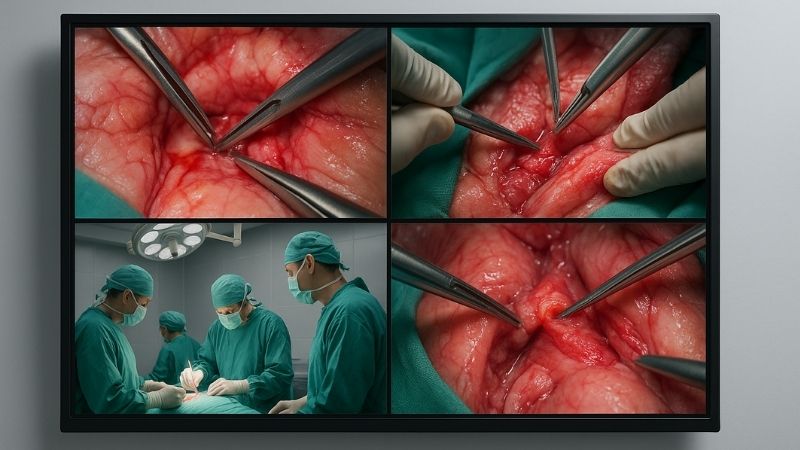
A 43-inch surgical monitor offers an expansive and immersive display, ensuring that even distant viewers can effectively visualize intricate details during medical demonstrations and live broadcasts. Its substantial size, coupled with high resolution, bolsters the display of surgical precision crucial for educational and professional environments.

A 22-inch surgical monitor, like our Reshin MS220S, enhances visualization in ENT and ophthalmic surgeries by offering an optimal balance of screen size for focused views of small anatomical targets, Full HD resolution for clear detail, and ergonomic benefits for space-constrained ORs. It provides critical image sharpness and color fidelity essential for these precise procedures without overwhelming the surgeon’s field of view or physical workspace.
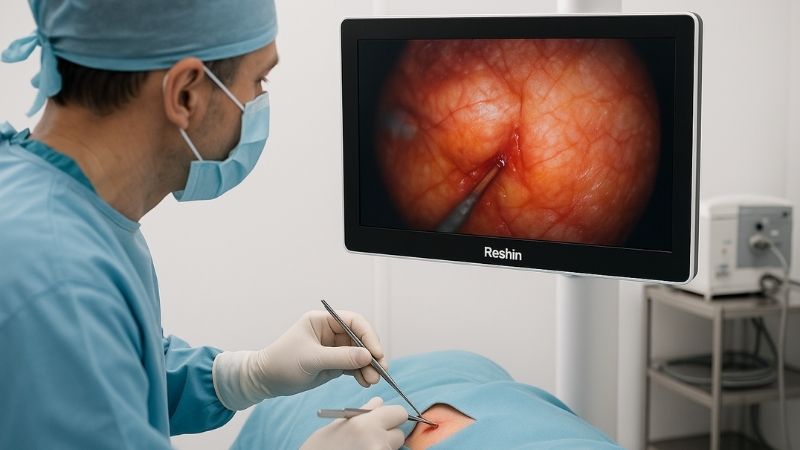
A 19-inch surgical monitor, like our Reshin MS192SA, is ideal because it offers an optimal balance of compact size for spatial efficiency, sufficient screen real estate for focused surgical views common in minor procedures, enhanced portability for flexible setups, and crucial cost-effectiveness. It delivers necessary image clarity and medical-grade reliability without the footprint or expense of larger displays, perfectly suiting these environments.

2MP diagnostic monitors are highly suitable for general radiology tasks such as viewing chest X-rays, bone scans, and certain CT or MRI slice reviews. Departments including general internal medicine, physical examination centers, emergency rooms, and outpatient clinics often find them to be a cost-effective and reliable choice for these applications.

A 1MP diagnostic monitor, offering approximately one million pixels, is suitable for clinical review in general practice, basic ultrasound viewing, and displaying patient information systems where extremely high-resolution detail is not the primary requirement for diagnosis.
While 43-inch surgical monitors offer significant visual advantages for complex procedures and team viewing, they are not universally suitable. Factors like OR size, procedural needs, and mounting capabilities heavily influence their appropriateness for any given operating room.
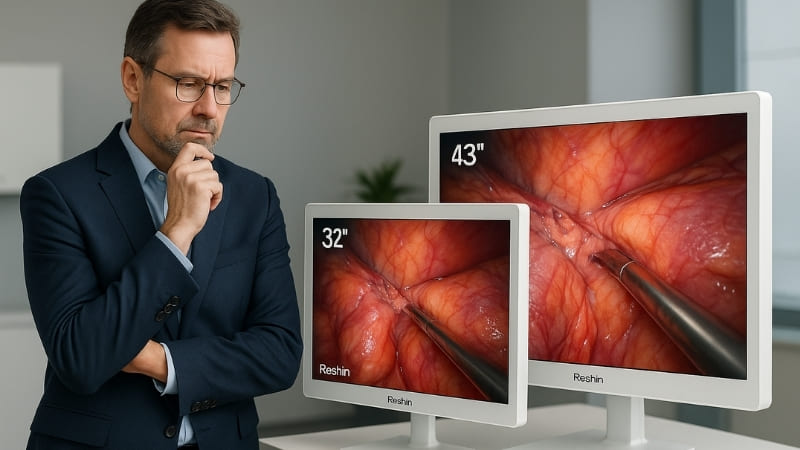
The optimal surgical monitor size hinges on procedural complexity, OR layout, and the number of staff needing clear visuals. 43-inch displays often excel in multi-source, team-viewing scenarios, while 32-inch monitors are strong for focused tasks or in smaller, constrained operating rooms.
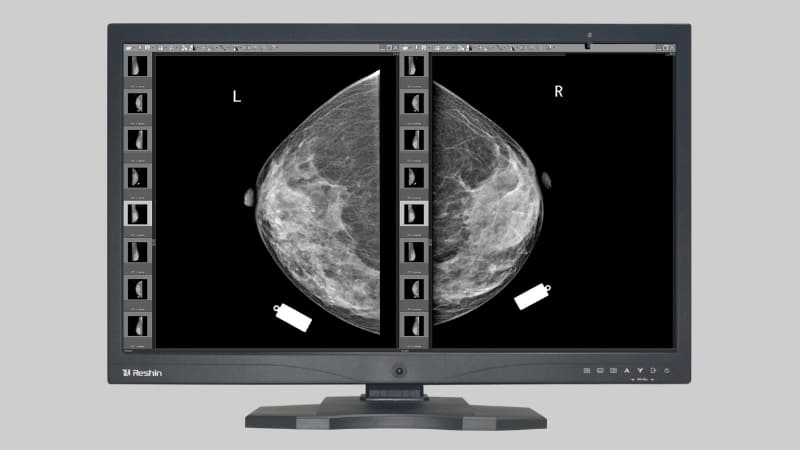
Telework in breast radiology means radiologists interpret mammograms and other breast studies remotely. This requires specialized high-resolution displays, secure connections, and strict protocols. It ensures diagnostic accuracy even outside the hospital.