
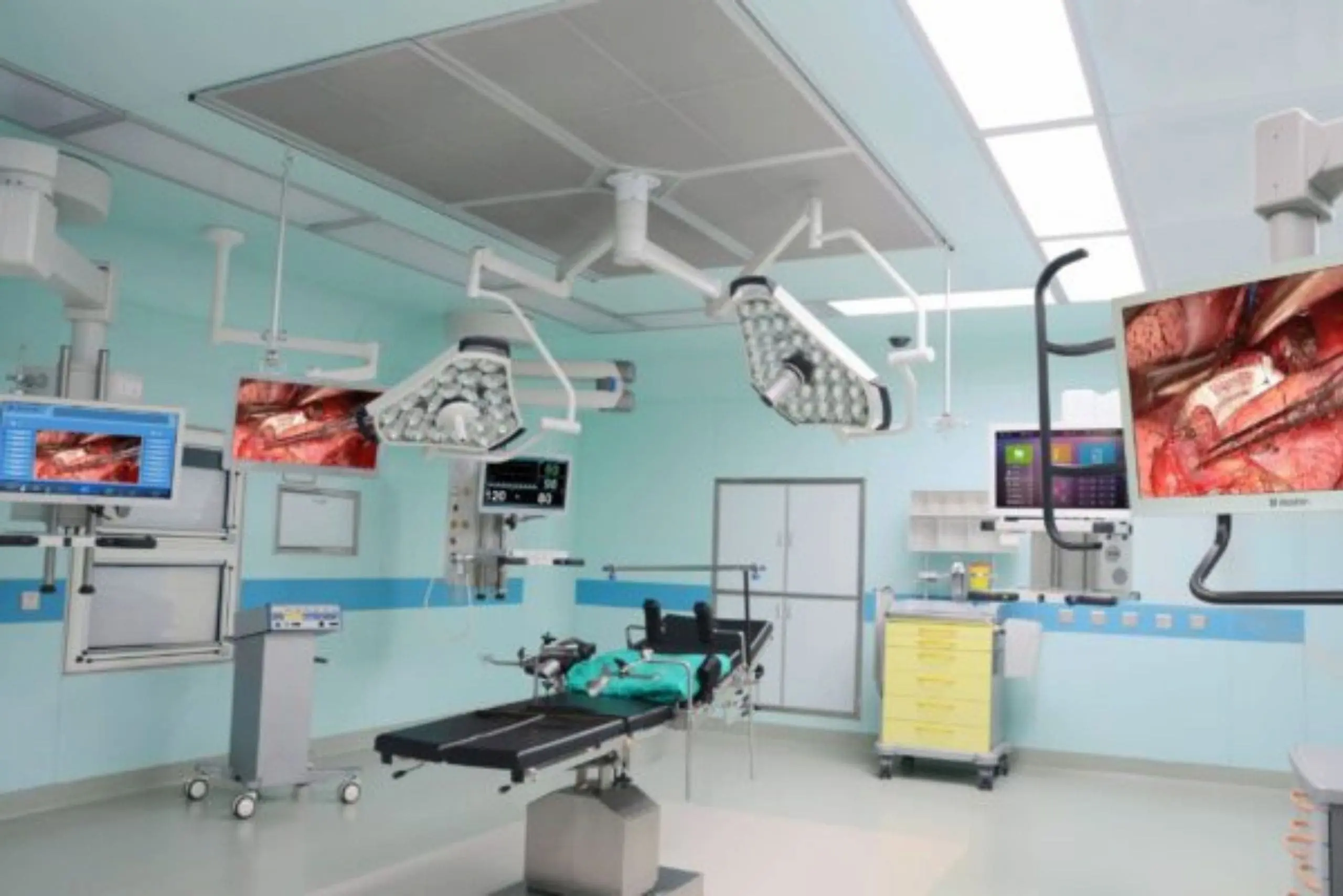
For medical equipment manufacturers and project owners, regulated programs require predictable availability, stable model consistency, and medical display lifecycle management—so validation stays intact while deployments remain reliable over time.
Built for programs that require a medical monitor long lifecycle approach and consistent configurations.
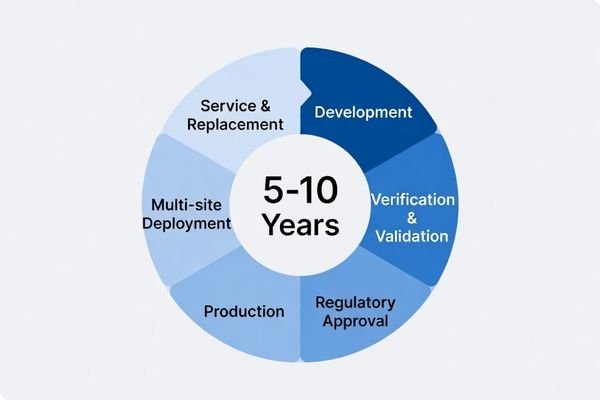
Medical equipment projects often span years—from verification and regulatory approval to production, multi-site deployment, and service replacement cycles. Unplanned display changes can trigger re-validation, documentation updates, and schedule risk.
Program-aligned long-term availability planning
Stable configurations to reduce qualification churn
Controlled revisions with clear documentation
Replacement strategy across extended deployments
These scenarios commonly require long-term supply medical display planning, controlled revisions, and predictable production availability.
In regulated environments, selecting a stable model medical monitor supplier helps maintain consistent performance, preserve validated configurations, and reduce disruption to qualification and deployment. This supports medical display lifecycle management and keeps multi-site programs aligned.
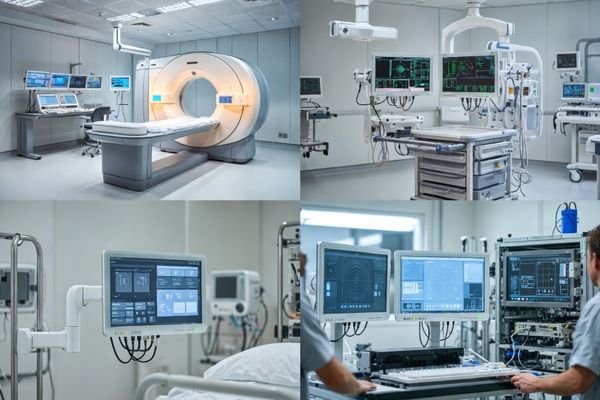
Stable displays for systems with long approval cycles and strict traceability requirements across product generations.
Consistent performance across production batches to support OR integration, standardized rollouts, and service continuity.
Long deployments where device stability and documentation consistency help reduce re-qualification and training overhead.
Programs that require repeatable displays over years benefit from controlled BOM, predictable availability, and change notices.
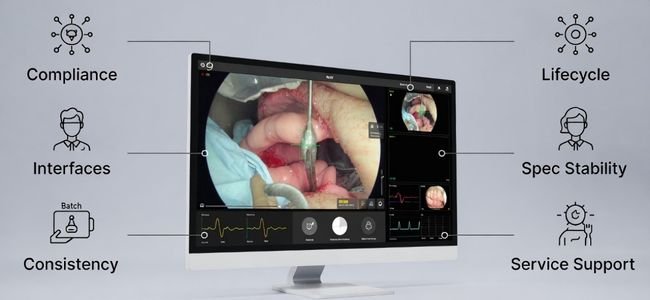
Long lifecycle programs need stability across models, batches, and availability windows to reduce validation and deployment risk.
When models change without control, teams may face re-validation, updated documentation packages, and delayed production ramps.
Variability across production batches can increase QA checks and complicate acceptance—especially when systems ship globally.
Component EOL and substitutions can break medical equipment display supply continuity, impacting both production and service.
This approach supports medical display lifecycle management and reduces program risk by keeping configurations stable, changes controlled, and availability predictable across the lifecycle.
Lock key specifications and interfaces for your platform release, so validation remains stable and repeatable.
Maintain a stable BOM and a controlled revision plan aligned to documentation and regulated project expectations.
Forecast supply windows and manage component lifecycle transitions to reduce procurement disruptions.
Batch consistency checks help protect validated performance and reduce QA friction across production waves.
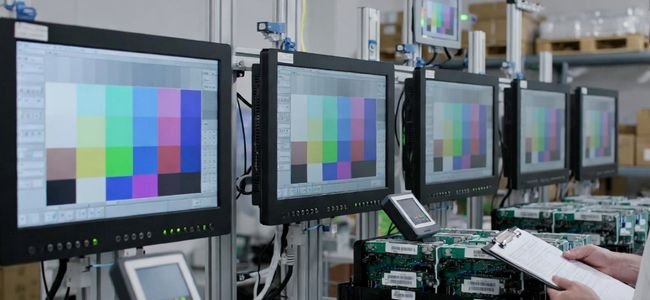
A common need is medical equipment display supply continuity across manufacturing waves, multi-site installations, and service replacement cycles.
| Scenario | Risk if Uncontrolled | Risk-Control Approach |
|---|---|---|
| 5–10 year availability requirement | Re-qualification and procurement disruption when models change or components reach end-of-life. | Roadmap planning + controlled revisions aligned to documentation and validation scope. |
| Multi-site deployments | Mixed models lead to inconsistent user experience and complicate training, service, and acceptance. | Stable model rollout + batch consistency checks across production waves and regions. |
| Service & replacement over time | Field replacements break validated configuration and create documentation drift across installed base. | Service continuity planning + compatible substitutions (controlled and documented). |
| OEM platform refresh cycles | Unplanned changes ripple into documents, approvals, and manufacturing schedules. | Change notices aligned to documentation and regulatory needs with predictable transition planning. |
Selecting displays designed for lifecycle stability helps reduce re-qualification effort and supports predictable performance across production batches and service replacement.
If you are developing or manufacturing medical equipment that requires long-term supply stability and controlled display lifecycles, Reshin supports regulated projects with predictable availability, stable model consistency, and documented change management.
To provide the best experiences, we use technologies like cookies to store and/or access device information, Consenting to thesetechnologies will allow us to process data such as browsing behavior or unique lDs on this site, Not consenting or withdrawing consentmay adversely affect certain features and functions.
We will contact you within 1 working day, please pay attention to the email with the suffix “@reshinmonitors.com”.
We will contact you within 1 working day, please pay attention to the email with the suffix “@reshinmonitors.com”.