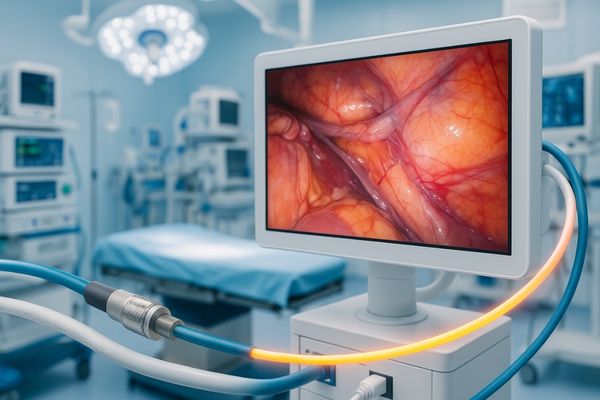
Modern surgical operating room digital illustration highlighting key surgical monitor features like 4K resolution, brightness, color accuracy, multi-input ports, and ergonomic mounting.

Top 10 Features of Surgical Monitors

The top 10 most critical features to evaluate in a surgical monitor are:
– High Resolution and Pixel Density for exceptional detail.
– Brightness Levels Suitable for Surgical Lighting.
– Wide Color Gamut and Color Accuracy for tissue differentiation.
– Low Latency for real-time video feedback.
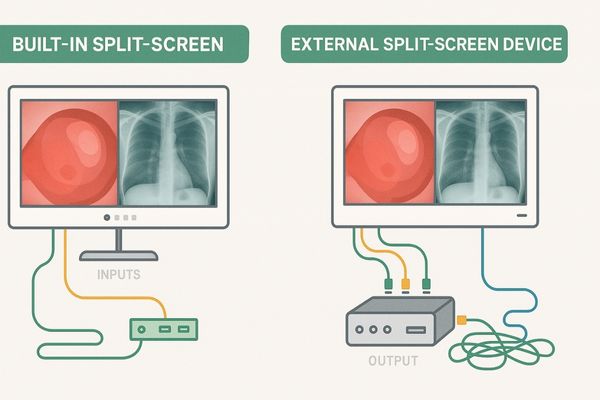
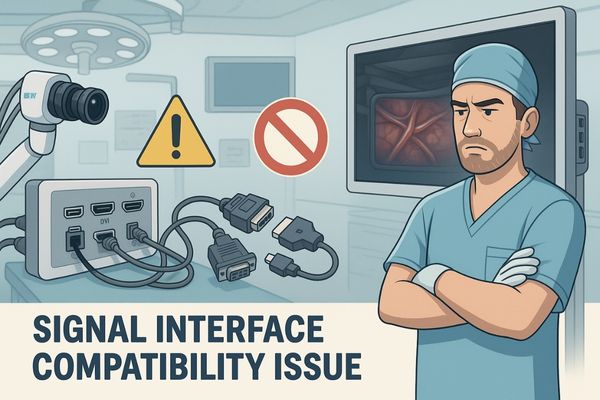
– Multiple Signal Input Compatibility for seamless integration.
– Durability and Medical-Grade Housing to withstand the OR environment.
– An Easy Cleaning and Disinfection Design for infection control.
– Anti-Reflection and Anti-Glare Coatings to reduce eye strain.
– Flexible Mounting and Ergonomics for optimal positioning.
– Long Lifespan and Reliable Performance for long-term value.

Read More »
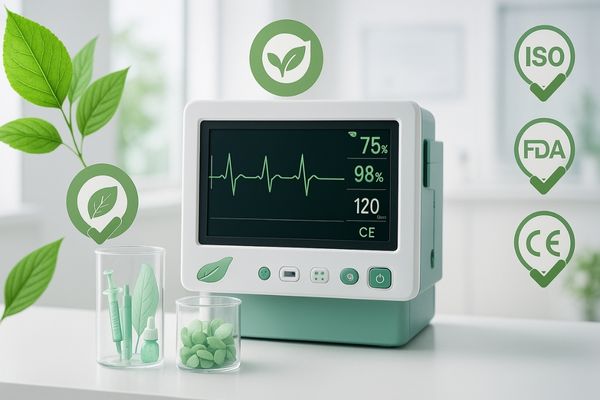
A comprehensive visualization of sustainable medical materials integrating eco-friendly components while maintaining compliance standards in a modern healthcare setting.

Do eco-friendly materials meet medical compliance standards?

Yes, many eco-friendly materials can meet medical compliance standards, but not all. Biopolymers, recycled materials, and sustainably-sourced alternatives must still pass rigorous testing for biocompatibility, sterilization resistance, and durability. Materials that meet both environmental and medical standards include certain bioplastics, recycled PET, and plant-based composites certified under ISO 10993, RoHS, and REACH regulations.

Read More »
Surgeon examining high-quality surgical monitor displaying clear tissue image next to blurred artifact example in modern operating room

What visual artifacts are common in low-quality displays?

Common visual artifacts in low-quality displays include color banding, motion blur, ghosting, and uneven brightness. These issues stem from inferior panels, slow processing, and poor calibration, all of which can compromise surgical precision by hiding or distorting vital visual information.

Read More »
Surgeons compare physical buttons and touch controls on two surgical monitors displaying endoscopic images in a bright operating room

Which is better for surgical monitors: physical plastic buttons or capacitive touch controls?

For surgical monitors, physical buttons are generally better than capacitive touch controls in most operating room scenarios. Physical buttons provide essential tactile feedback during procedures, work reliably with gloves, and function when wet. Touch interfaces offer easier cleaning and modern aesthetics but can fail in critical moments when moisture or multiple gloves are present.

Read More »

Ask For A Quick Quote

We will contact you within 1 working day, please pay attention to the email with the suffix “@reshinmonitors.com”

Ask For A Quick Quote

We will contact you within 1 working day, please pay attention to the email with the suffix “@reshinmonitors.com”