
Six Essential Factors to Consider When Choosing an Endoscopic Surgical Monitor
Discover six key factors for choosing the right surgical monitor, including size, resolution, hygiene, compatibility, durability, and ergonomic features.

Discover six key factors for choosing the right surgical monitor, including size, resolution, hygiene, compatibility, durability, and ergonomic features.

Certifications like FDA 510(k), ISO 13485, and CE marking ensure surgical monitors meet safety and quality standards, supporting precision and patient care.

Auto-brightness surgical monitors improve visibility, reduce eye strain, and enhance precision by adjusting brightness to room lighting, ensuring safer surgeries.

In today’s medical world, doctors use many digital images every day. These images come from X-rays, CT scans, MRIs, and ultrasounds. A medical diagnostic display
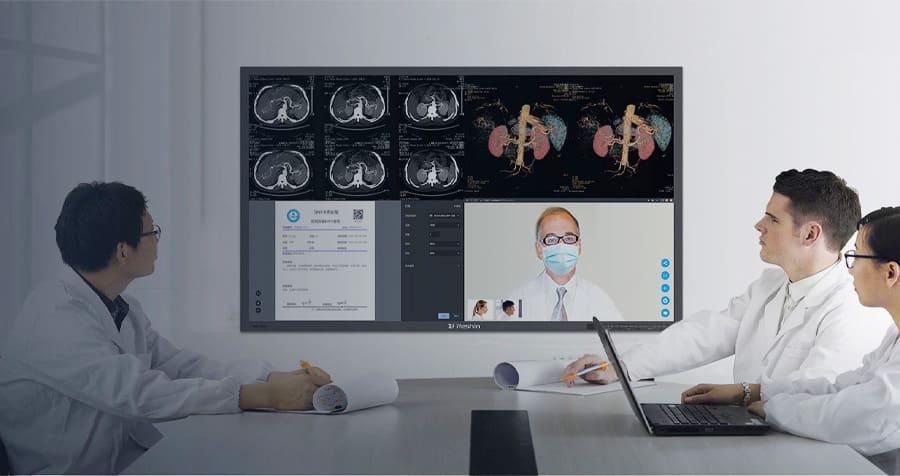
answer is: choose professional medical monitors, regularly calibrate the equipment, adjust the software and hardware settings, and keep a good diagnostic environment. Today, with the
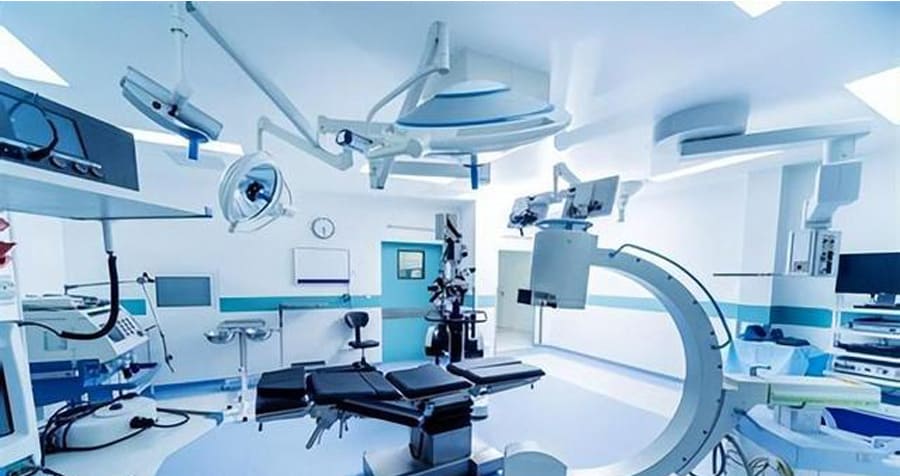
Keeping the brightness calibration error within a reasonable range is key to ensuring image quality on a CT reading monitor. Based on international standards and
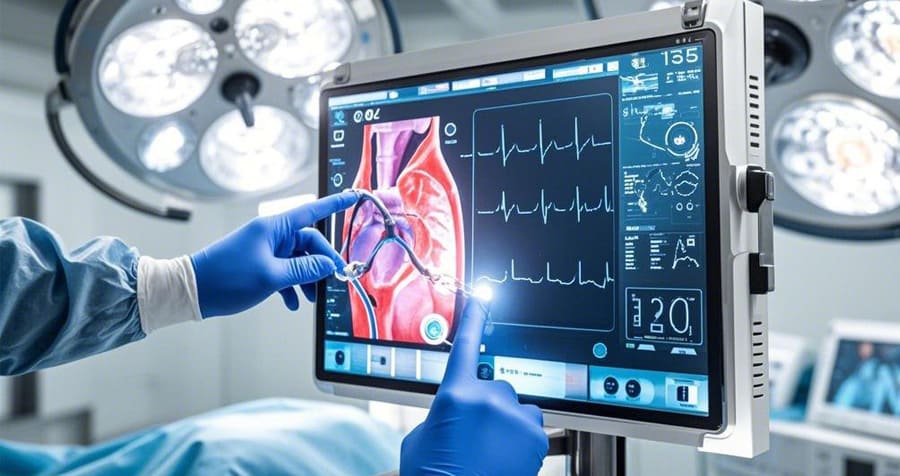
In a surgical operating room, the lead surgeon is using tiny instruments less than 3mm wide. Suddenly, the image of a blood vessel on the

Mammography plays a critical role in early breast cancer detection. Radiologists rely on high-quality images to identify subtle abnormalities, such as microcalcifications and small tumors.
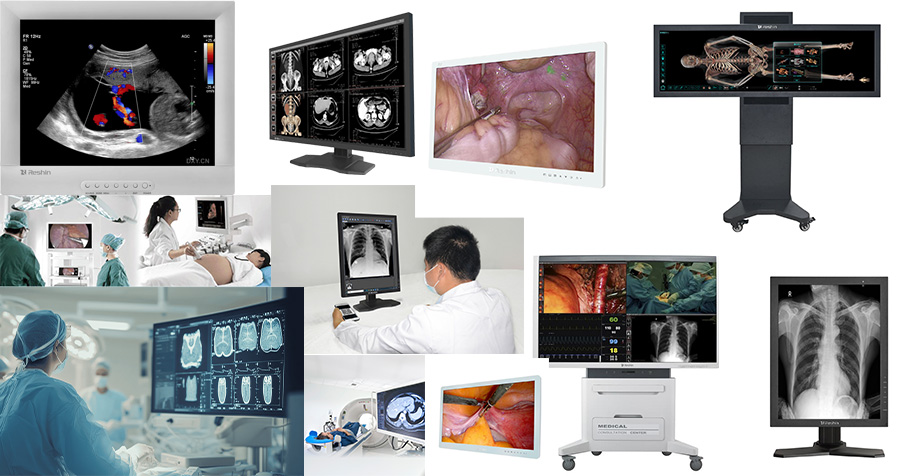
Medical monitors are mainly divided into two big types: diagnostic monitors and endoscopy surgery monitors. These two types can also be split into many smaller parts. with medical technology advancing rapidly, medical monitors are no longer just simple tools for showing images. They have become the “third eye” for doctors. With so many types of medical monitors out there, do you feel overwhelmed? Don’t worry. This article will guide you through the different kinds of medical monitors and where they are used
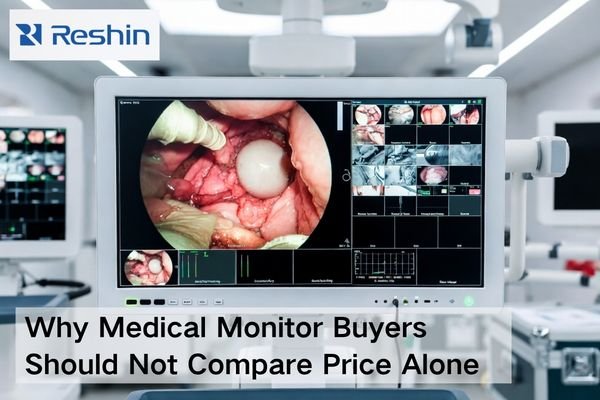
Medical monitor buyers should not compare price alone because a quotation only reflects the visible purchase cost, while the real project cost also includes compatibility risk, validation effort, after-sales recovery speed, document readiness, delivery coordination, and future supply stability. A better procurement decision comes from evaluating total project risk, not just the initial number on the quote.
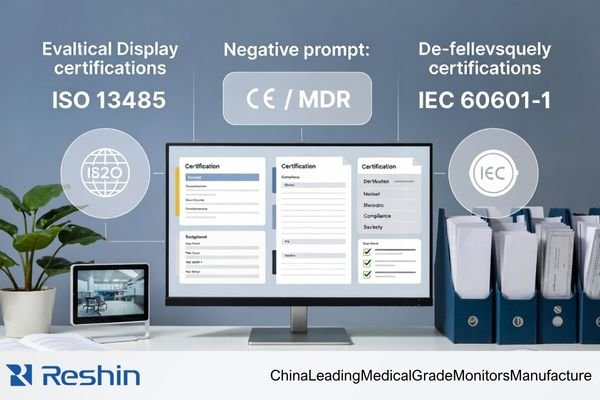
When evaluating a medical display manufacturer from a distributor’s perspective, the focus should not be on the quantity of certificates. The more important task is to identify which certifications and compliance documents actually support medical quality control, product compliance, and documentation readiness. In most cases, ISO 13485, product-related compliance information, and evidence of document traceability matter far more than general company awards or patent counts.

When buying a medical display from China for the first time, the safest approach is to confirm six things early: the exact application scope, alignment between sample and production, documentation support, OEM/customization boundaries, supply continuity, and communication quality. A capable medical display manufacturer should be able to support all six, not just provide a competitive first quotation.