Reshin will showcase medical-grade monitor solutions at CMEF 2026 Shanghai, providing healthcare teams with practical, hands-on evaluation for real deployment planning and workflow validation.
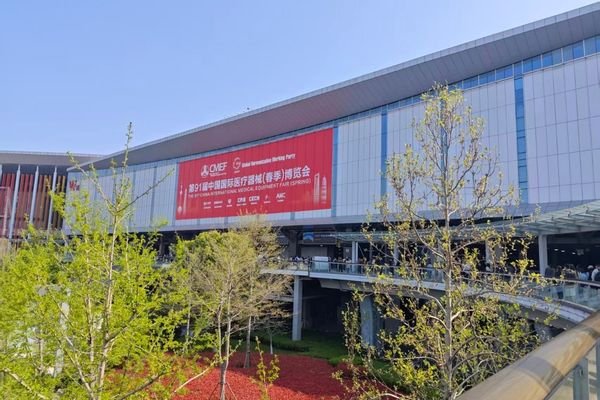
Meet Reshin at CMEF 2026 Shanghai (9–12 April 2026) at the National Exhibition and Convention Center—Hall 5.1, Booth S62. Explore medical-grade monitors for surgical visualization, diagnostic reading, and large-format collaboration, and discuss real-world integration stability, mounting/cleaning readiness, documentation for acceptance, and lifecycle planning.
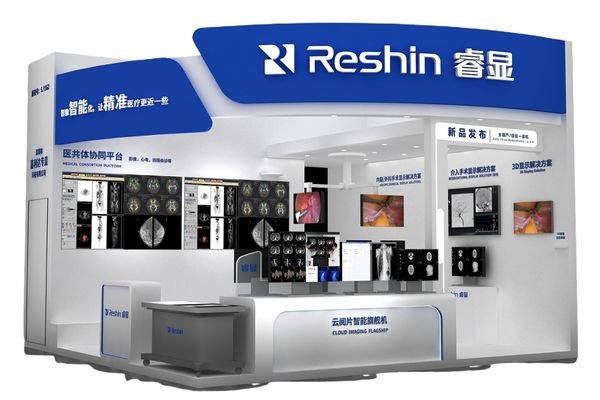
Onsite evaluation is most valuable when it reflects real conditions rather than ideal demos. A focused booth visit1 helps teams align use-case priorities, confirm signal-chain and installation constraints, and reduce rework by agreeing on validation and support expectations before scaling decisions are made.
Event Details and Invitation
CMEF 2026 Shanghai is a high-efficiency moment to compare options in person and clarify what “medical-grade deployment” should look like in real hospitals.
Reshin will exhibit at CMEF 2026 Shanghai from 9–12 April 2026 at the National Exhibition and Convention Center, Shanghai—Hall 5.1, Booth S62. Visit us to review medical-grade monitor solutions and discuss practical deployment planning for your clinical environment.
From selection to rollout, most display problems are not caused by “missing specs,” but by mismatched assumptions: unsupported signal formats in the real chain, unstable switching behavior, mounting choices that stress connectors, or missing documentation for acceptance and re-validation. At CMEF, we’ll keep the conversation practical—what to verify, how to validate it in your room, and how to keep the fleet predictable after installation.
What to bring for a fast, productive discussion
A short list of details makes onsite conversations far more effective: your primary use case (OR/endoscopy, radiology, clinical review, telemedicine/teaching), typical input sources and interfaces, mounting preference (boom/cart/wall), and whether you are upgrading one room or standardizing across multiple sites. With these inputs, we can immediately focus on fit, validation steps2, and the support model needed for long-term stability.
Why Visit Reshin at Hall 5.1, Booth S62?
A booth visit should do more than confirm specifications—it should help you make a confident decision based on real-world behavior and long-term operability.
At CMEF, Reshin will focus on post-installation performance factors: stable operation in practical signal chains, deployment-friendly mounting and cleaning considerations, documentation readiness for acceptance, and lifecycle planning that keeps fleets predictable over time.
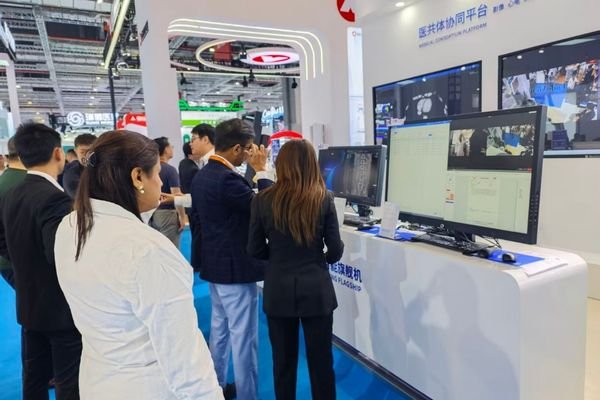
Seeing a product on a screen is easy; validating how it behaves in your workflow is harder. The value of an onsite conversation is speed: quickly identifying which constraints matter most for your environment, what should be tested before scaling, and how to prevent common gaps such as unclear change notification, inconsistent unit behavior across batches, or service turnaround that does not match clinical downtime tolerance.
What you can validate beyond the spec sheet
We’ll focus on the questions teams ask after installation: what happens during switching and recovery, how stable the display remains under routine movement and cable stress, and what documentation is available for acceptance and ongoing governance. This is also the right time to discuss lifecycle expectations3—how to keep behavior predictable as rooms evolve, intermediate devices change, or upgrades occur.
On-Site Highlights: What You Can Validate in Person
The most valuable booth time is spent validating the same stress points that cause problems in daily clinical use.
At our booth, you can validate practical behavior and discuss deployment choices that influence long-term stability—especially when scaling beyond a single room.
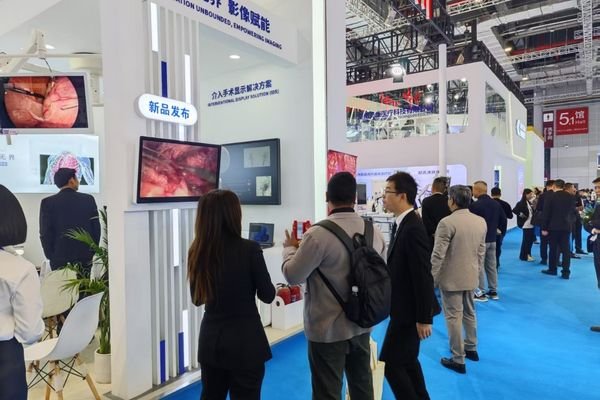
Instead of presenting a generic demo, we’ll structure the conversation around real triggers: switching and recovery, movement and cable flex, integration with intermediate devices, and how acceptance criteria should be written so your rollout is repeatable. If your team is planning standardization, we’ll also discuss how to think about consistency across units and how to govern changes so fleets don’t drift over time.
| What you can validate onsite | Why it matters after installation | Typical outcome of good validation |
|---|---|---|
| Switching & recovery behavior4 | Prevents workflow disruption during routine source changes | Predictable re-lock and minimal interruption |
| Stability under movement & cable stress | Reduces intermittent dropouts caused by carts/arms/cable routing | More stable uptime and fewer “mystery” black screens |
| Mounting & cleaning readiness | Prevents connector strain and long-term wear in real routines | Easier maintenance and lower failure probability |
| Acceptance documentation readiness | Makes rollout repeatable and defensible | Faster acceptance and fewer surprises later |
| Scale planning & governance | Keeps multi-room deployments consistent over time | Lower operational burden and better predictability |
How we structure onsite validation conversations
We typically start from your real room constraints, then map what should be validated in the chain (sources, extenders, switchers/recorders if applicable), and finally define what “pass” looks like for acceptance. This keeps the discussion practical and helps convert “nice-to-have features” into a plan that is testable and maintainable.
Endoscopy and Surgical Visualization Display Solutions
Surgical visualization requires stable, low-disruption imaging performance that holds up under real OR conditions and routine maintenance.
At the booth, we will review practical selection logic for endoscopy and surgical displays—how size/resolution relate to viewing distance and tasks, how mounting and cable routing affect stability, and how signal-chain design can reduce intermittent dropouts and simplify troubleshooting.
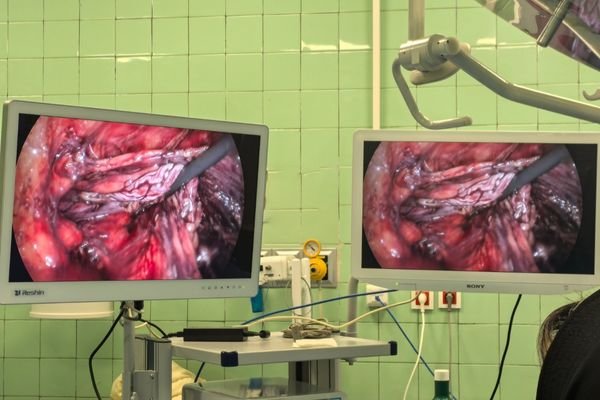
OR environments introduce real-world triggers that make “paper specs” incomplete: switching between sources, cart movement, cable flex, EMI-heavy equipment, and frequent cleaning. The goal is not only image clarity, but predictable behavior under stress—so the display remains stable and the workflow remains uninterrupted when common triggers occur.
On-site surgical lineup
Onsite lineup includes MS322PB (32" 4K boom setup), MS323P (32" mini LED 4K boom setup), and MS270P (27" FHD endoscopy monitor).
What we’ll discuss for OR deployment success
We’ll focus on practical deployment decisions: where the display sits in the chain, how to reduce conversion points, how to route and secure cables to avoid long-term strain, and how to define acceptance checks that reflect real workflow triggers. We can also discuss how primary viewing, secondary reference, and documentation roles differ—so the configuration matches clinical tasks rather than forcing one monitor role to fit everything.
New Product Preview: 3D Surgical Display Experience
3D adoption is a workflow decision as much as a hardware decision, so validation and acceptance planning matter.
CMEF visitors can preview our new 3D display solution and discuss viewing ergonomics, eyewear use in sterile workflows, and how 3D can fit into multi-display OR layouts without disrupting existing integration and recording setups.
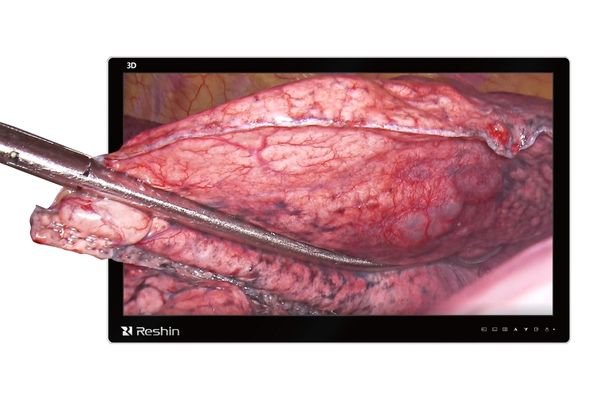
3D implementations often succeed or fail based on the full setup: viewing distance, user training and comfort, placement in multi-display layouts, and how the workflow handles switching and recording. At the booth, we’ll focus on how teams can evaluate usability in a realistic manner and how to define acceptance so outcomes remain predictable after installation.
New product showcase
New product demonstration includes MS324PA (32" 3D display with 3D glasses).
Diagnostic Imaging Displays for Radiology and Clinical Reading
Diagnostic and clinical reading environments often prioritize consistency and governance as much as image presentation.
Booth discussions will cover unit-to-unit consistency planning, calibration and QC workflow fit, and documentation readiness that supports acceptance testing and re-validation. We will also discuss controlled change practices and service expectations that help multi-room deployments remain predictable over time.
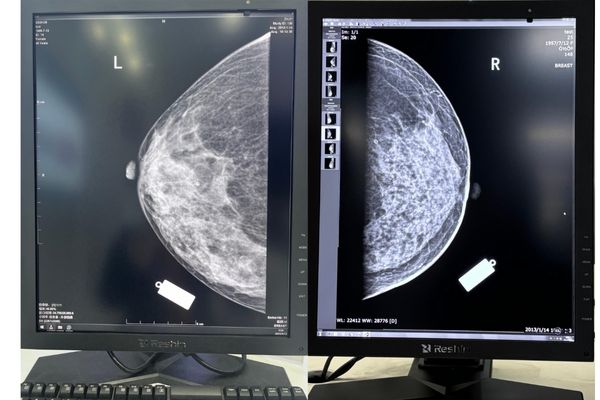
When teams scale beyond one workstation, the real challenge is keeping behavior consistent: how units are calibrated, how drift is managed, how updates are controlled, and what evidence supports acceptance and audits. At CMEF, we’ll discuss how to structure deployments so they are repeatable across rooms and maintainable over years, rather than being dependent on one-time manual tuning.
On-site diagnostic lineup
Onsite diagnostic lineup includes MD52G (5MP diagnostic), MD26C (24" 2.3MP diagnostic), and MD32C (3MP diagnostic).
Large-Format Solutions for Telemedicine, Teaching, and Collaboration
Large-format systems support shared-space collaboration, remote consultation, and teaching—where reliability and serviceability matter as much as screen size.
At CMEF, we will discuss installation planning, cable routing, cleaning routines, and long-term support strategies that keep large-format systems dependable in high-usage environments.
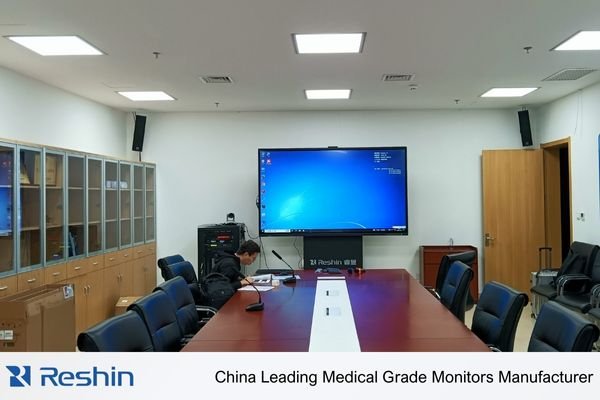
These environments introduce different challenges: multiple users, varied content sources, shared rooms, and high utilization. The right solution should be easy to operate, easy to maintain, and predictable to service—so collaboration and teaching workflows are not interrupted by avoidable configuration issues.
Additional solution categories available onsite
In addition to the focused OR and diagnostic lineups, we can also introduce other large-format products and integrated solutions such as remote consultation displays, anatomy teaching all-in-one systems, and cloud reading intelligent flagship all-in-one devices5, depending on your workflow goals and deployment context.
How to Make the Most of Your Booth Visit
Efficient onsite discussions require preparation of practical deployment details and specific application requirements.
Bring your application scenario, typical input sources and interfaces, preferred mounting type (boom/cart/wall), and whether your plan is a single-room upgrade or multi-site standardization—so the conversation can focus on validation and deployment fit.
If you already have a target room layout or a known signal chain, we can quickly identify what to validate onsite, what acceptance criteria should include, and what documentation and service expectations are most relevant to your rollout plan.
Schedule a Meeting at CMEF 2026 Shanghai
We welcome you to meet the Reshin team at Hall 5.1, Booth S62 during 9–12 April 2026. If you would like to arrange a dedicated discussion during the show, please request a meeting through the contact form on this page. Reshin President Martin will also be onsite, and we can coordinate brief meeting availability during the exhibition.
Reshin provides medical-grade monitors and display solutions for professional healthcare environments, supporting clinical workflows with deployment-focused guidance, documentation readiness, and lifecycle planning for predictable long-term operation.
✉️ info@reshinmonitors.com
🌐 https://reshinmonitors.com/
-
Exploring the benefits of a focused booth visit can improve your team’s alignment and decision-making processes. ↩
-
Exploring effective validation steps will enhance your installation process, ensuring reliability and performance in your display systems. ↩
-
This resource will help you understand the significance of lifecycle expectations in maintaining product performance over time. ↩
-
Understanding this concept is crucial for preventing workflow disruptions during source changes. ↩
-
Learn about the advantages of these devices, which can revolutionize your workflow and improve efficiency. ↩