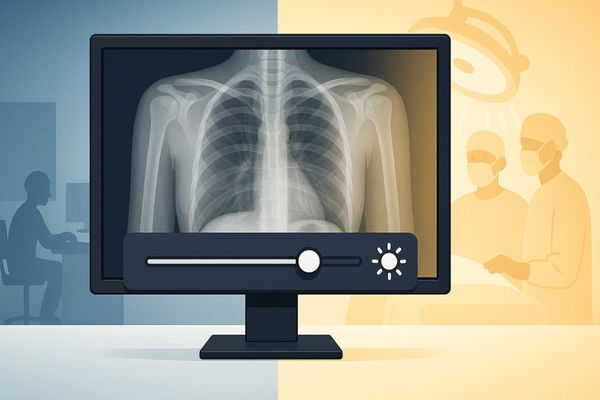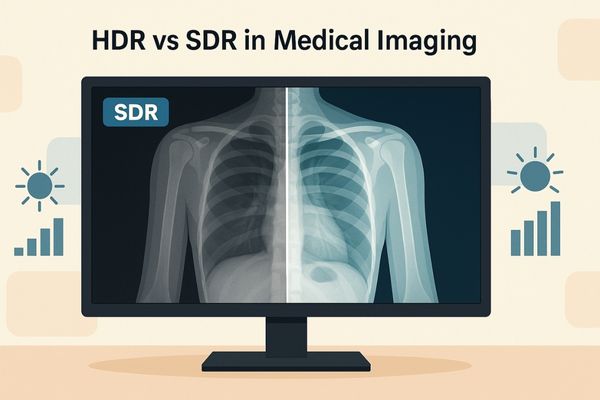
Comparison of HDR and SDR in medical imaging showing a chest X-ray, with HDR side displaying clearer details and improved contrast versus SDR side.

HDR Technology in Medical Displays

HDR enhances medical imaging with a wider dynamic range, improved lesion visibility through better contrast, and more accurate tissue differentiation via a wide color gamut, benefiting both diagnostics and surgery.

Read More »
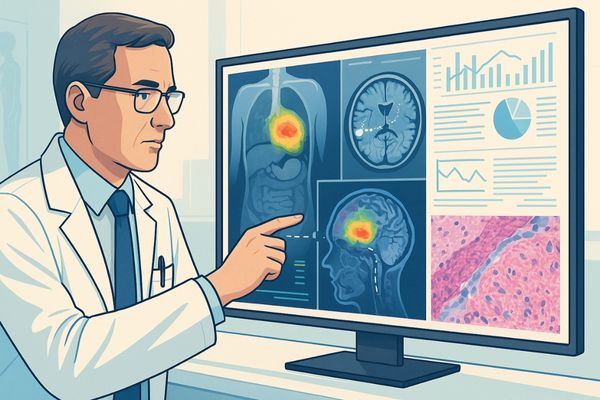
Doctor analyzing AI-enhanced medical imaging on a high-resolution display for precision medicine

Significant Impact of Medical Displays on Precision Medicine

Medical displays significantly impact precision medicine by enabling accurate interpretation of complex imaging data. They support multimodal visualization, ensure color-critical tissue differentiation, and facilitate collaboration. This high-fidelity view is essential for developing personalized, data-driven treatment strategies for each patient.

Read More »
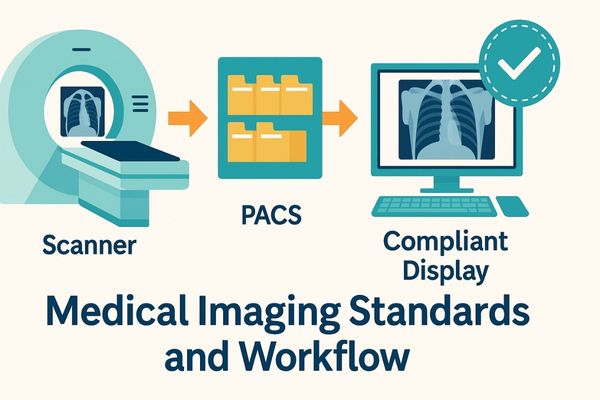
A digital infographic illustrating key medical imaging standards including DICOM, IEC, FDA, and calibration workflows.

Medical Displays and Imaging Standards

This article explains the essential imaging standards for medical displays. We will explore the framework of these rules, covering DICOM for image consistency, IEC and FDA for safety, calibration for accuracy, and how guidelines are evolving for future technologies.

Read More »
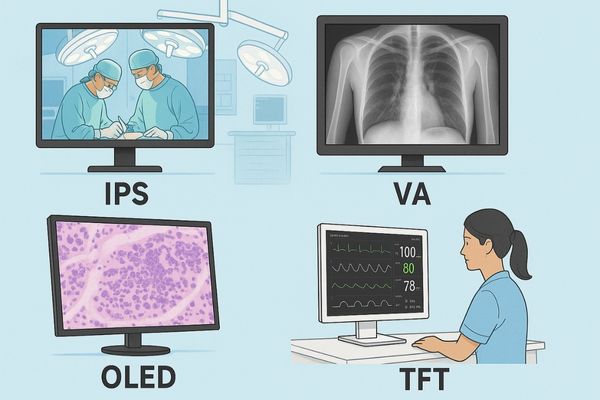
Four types of medical display panels including IPS, VA, OLED, and TFT shown in a modern clinical context

Overview of Common Panel Types in Medical Displays

The most common panel types in medical displays include:
– IPS: For color accuracy and wide viewing angles.
– VA: For high contrast.
– OLED: For true blacks and fast response.
– TFT: For cost-effective basic uses.
Choosing the right panel depends on the specific clinical application.

Read More »
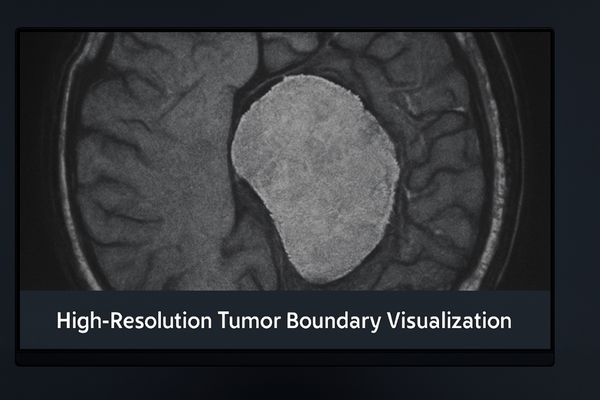
High-resolution medical display showing a clear tumor boundary with subtle texture and density details in a modern clinical setting

What resolution enhances tumor boundary visualization?

High-resolution medical displays, particularly those with 5 megapixels (MP) or more, are essential for enhancing tumor boundary visualization. They render the subtle texture and density variations between malignant and healthy tissue with superior clarity, which is critical for accurate diagnosis and surgical planning.

Read More »
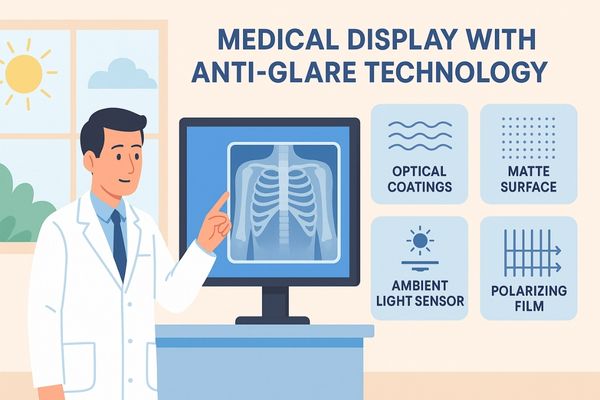
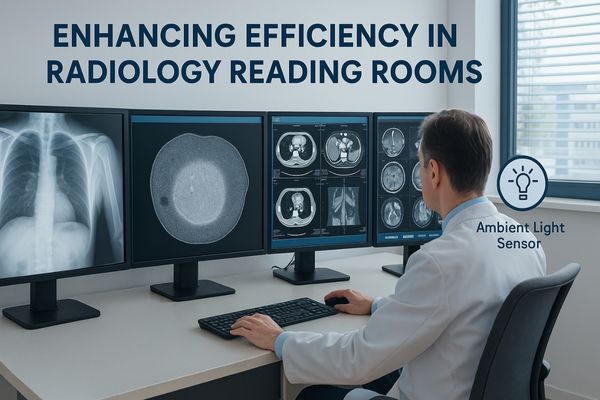
Medical display with anti-glare technology showing chest X-ray, featuring doctor and icons for optical coating, matte surface, ambient light sensor, and polarizing film.

Anti-Glare Techniques in Medical Displays

Key anti-glare technologies are crucial for clear, accurate medical imaging. Optical coatings, matte surfaces, ambient light sensors, and polarizing films each play a vital role in enhancing visibility and supporting better clinical outcomes.

Read More »

Ask For A Quick Quote

We will contact you within 1 working day, please pay attention to the email with the suffix “@reshinmonitors.com”

Ask For A Quick Quote

We will contact you within 1 working day, please pay attention to the email with the suffix “@reshinmonitors.com”