
Explore Reshin medical display project experience across diagnostic imaging, PACS workstations, surgical and endoscopy systems, OEM configuration, connected-system validation, engineering change control and legacy display replacement.
Each page focuses on a defined project stage and separates disclosed project context from relevant model-level or supplier-capability evidence, helping equipment manufacturers, system integrators and distributors evaluate how Reshin supports different stages of a medical display program.
Customer identities and selected commercial or technical details may be anonymized. Each case defines its published project stage, evidence scope and disclosure boundary so project context is not confused with model-level or supplier-capability evidence.
These cases cover four different decisions: choosing the right diagnostic display level, planning repeatable PACS workstation profiles, standardizing 2MP/3MP/5MP classes and replacing a discontinued legacy monitor without unnecessarily redesigning the workstation.

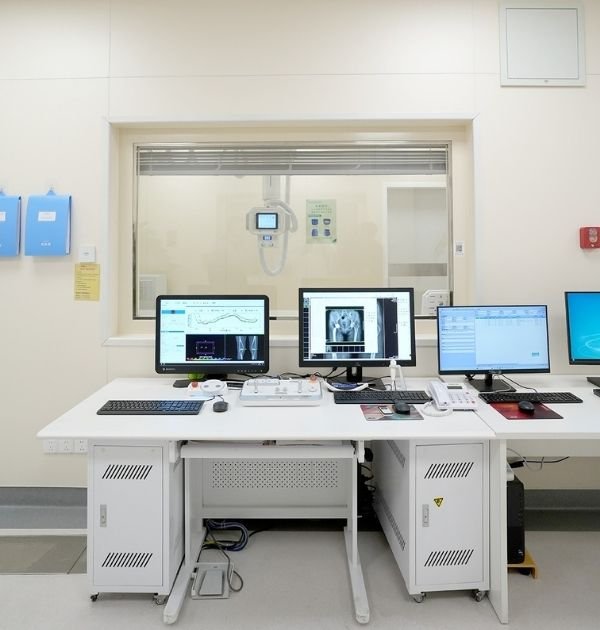
A pre-sample review separating DR/CR acquisition-related workstation requirements from CT/MRI review needs instead of applying one display specification across the complete equipment program.
Project Stage:Pre-sample display-direction review
Core Decision:Separate 2MP and 3MP directions by workstation role
Evidence Focus:Model-level inspection and supplier verification
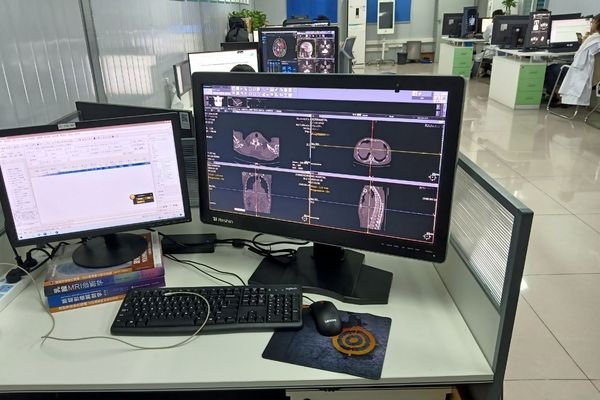
A workstation-planning case showing how single-screen, diagnostic-reading, matched dual-monitor and wide-format profiles can be separated before repeated room deployment and model shortlisting.
Project Stage:Pre-rollout workstation planning
Core Decision:Build repeatable workstation profiles before model selection
Evidence Focus:Workstation layouts, deployment logic and diagnostic display direction
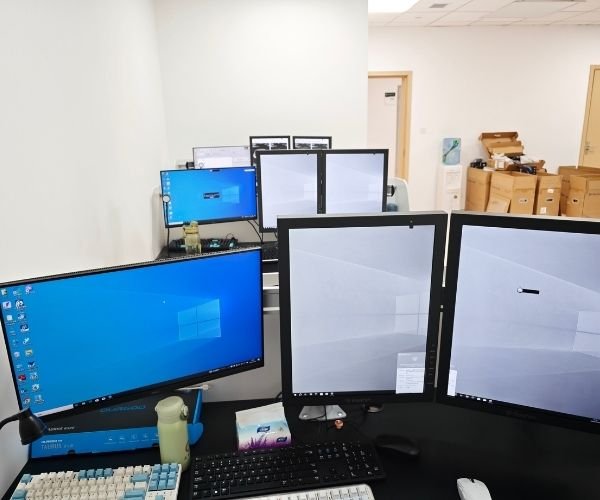
A practical standardization framework for separating workstation roles, reducing uncontrolled model variation and planning spare and replacement strategies across multiple diagnostic display classes.
Project Stage:Fleet and workstation standardization
Core Decision:Define controlled 2MP, 3MP and 5MP classes by application
Evidence Focus:Product directions, inspection evidence and lifecycle planning
A legacy installed-base replacement case focused on preserving native screen format, signal compatibility, grayscale behavior, physical fit and service continuity after the original monitor platform reached EOL.
Project Stage:EOL replacement and compatibility planning
Core Decision:Replace the legacy display without unnecessary workstation redesign
Evidence Focus:EOL notice, successor mapping and model-level verification
These two cases intentionally represent different validation stages: defining the integration boundary before sampling, and verifying display behavior once the surgical display enters a real connected equipment chain.
A pre-sample project separating the current FHD baseline from a possible future 4K direction while reviewing processor output, signal path, tower-side mechanical fit and display continuity.
Project Stage:Pre-sample integration review
Core Decision:Confirm processor, signal, image and tower conditions before sampling
Evidence Focus:Video-chain logic, installation guidance and model-level inspection
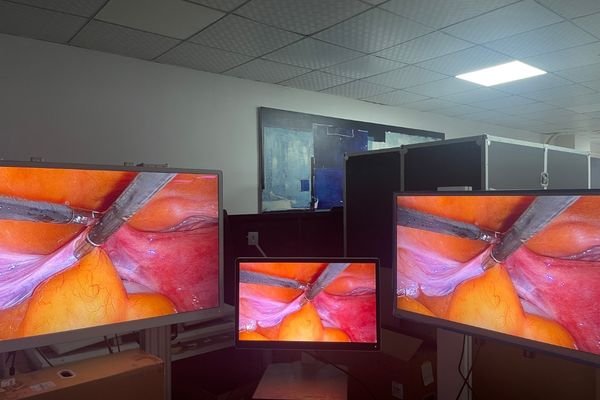
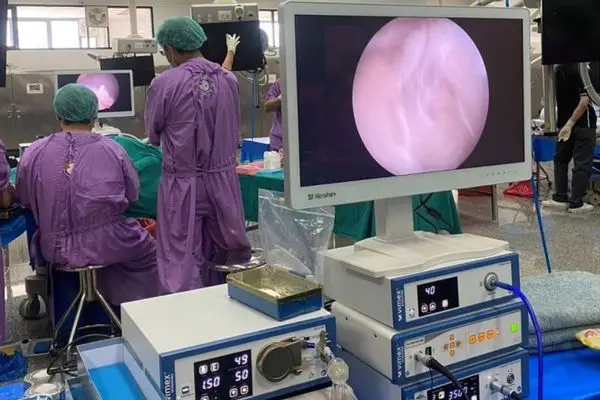
A later-stage validation case documenting real system connection, multi-display image reproduction, equipment-side debugging and model-level verification once a 4K surgical display direction enters practical integration review.
Project Stage:Connected-system validation
Core Decision:Verify image, signal and physical behavior inside the equipment chain
Evidence Focus:Connected-system photographs and controlled model-level QA
The first case defines the candidate OEM configuration before sample build. The second shows how later identification, mechanical and electrical changes can be documented and reviewed after an OEM configuration already exists.
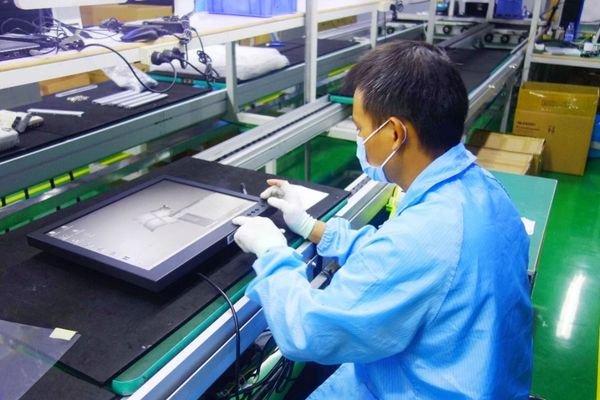
A pre-sample OEM case using an existing medical display as the candidate baseline, then separating mandatory integration changes from optional requests while organizing private-label, documentation and continuity inputs.
Project Stage:Pre-sample OEM configuration review
Core Decision:Keep the standard platform where possible and control only necessary adaptations
Evidence Focus:Configuration inspection, private-label and change-control records
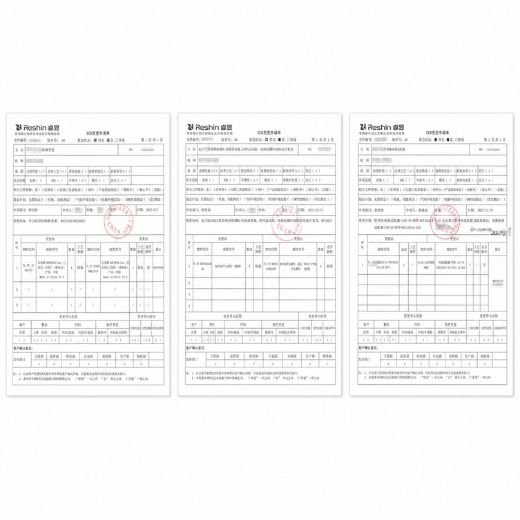
A real engineering-change case showing how product identification, mechanical reliability and electrical configuration changes can be captured, verified, cross-functionally reviewed and released through controlled ECR/ECN records.
Project Stage:Established-configuration lifecycle control
Core Decision:Assess and release changes without losing configuration consistency
Evidence Focus:Real ECR/ECN records across three change types
Project context, model-level evidence and controlled information answer different supplier-evaluation questions. Keeping these evidence layers separate makes the published cases more useful and more credible.
Information used to explain the disclosed problem, project stage and decision framework.
Records that demonstrate relevant Reshin product, engineering or manufacturing capability.
Information not published openly because it can identify customers, transactions or controlled engineering details.
The eight cases are designed to show different parts of supplier support rather than repeat the same capability claim.
See how display direction, project boundaries and next-stage inputs are structured before selection or validation.
Review inspection, assembly, performance and controlled specification evidence associated with relevant display platforms.
Review workstation environments, connected-system testing, interface verification and endoscopy-chain validation evidence.
Review EOL replacement, successor mapping, controlled configuration and engineering-change evidence for longer-cycle programs.
Use the related Reshin pages below to move from a project example into the corresponding supplier, product, integration or lifecycle evaluation path.
For radiology OEMs, diagnostic workstation programs and supplier evaluation.
For PACS workstation builders, radiology integrators and multi-room planning.
For endoscopy systems, surgical visualization and connected-equipment integration.
For controlled OEM adaptations, private-label requirements and configuration review.
For EOL, successor planning, controlled revisions, replacement and long-cycle supply.
For certifications, manufacturing controls, engineering evidence and supplier qualification.
Tell us which project experience is closest to your current situation and share your system type, current or candidate display, target application, resolution and interfaces, mounting conditions, target market and project stage. Reshin can help review whether the next step should focus on model selection, workstation planning, system integration, sample validation, OEM configuration, controlled change or legacy replacement.
We use cookies to improve website functionality, analyze site performance, and protect inquiry forms from spam. You can accept all cookies, reject non-essential cookies, or manage your preferences at any time.
Tell us the application, model or required specification, quantity and destination country. We will review your request and reply by email.