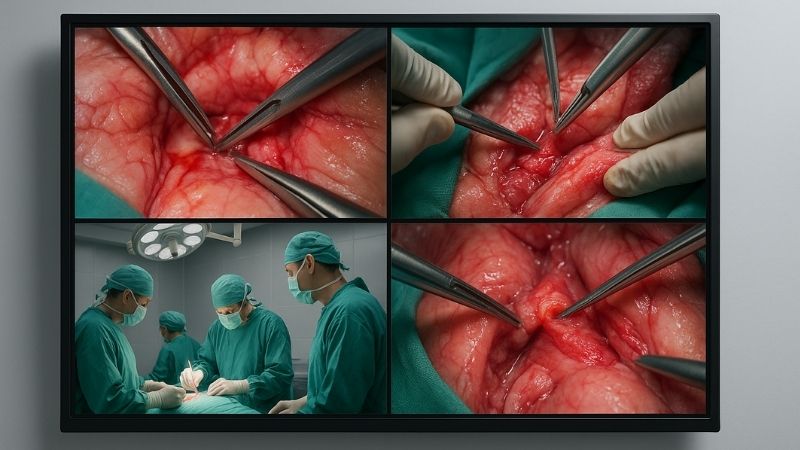
Why is a 27-inch monitor ideal for endoscopic surgeries?
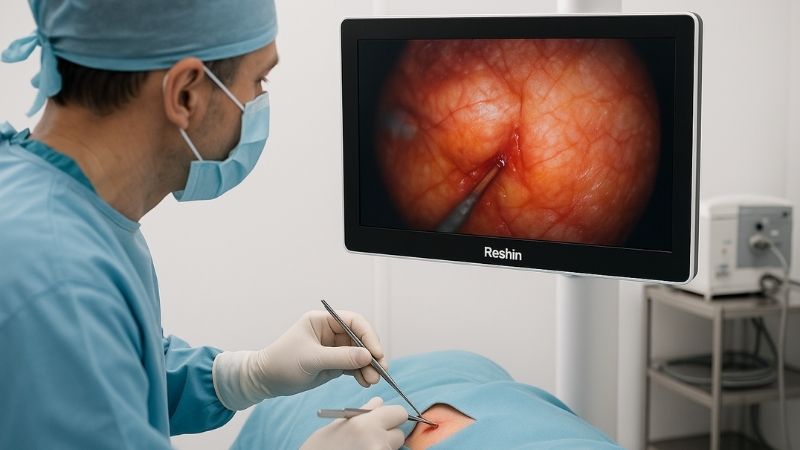
Struggling with OR display size? Need clarity without clutter? A 27-inch monitor might be your perfect surgical solution. A 27-inch monitor is ideal for endoscopic
Explore practical articles on medical display sourcing, OEM cooperation, diagnostic and surgical workflows, compliance preparation, and long-term supply planning.

Struggling with OR display size? Need clarity without clutter? A 27-inch monitor might be your perfect surgical solution. A 27-inch monitor is ideal for endoscopic

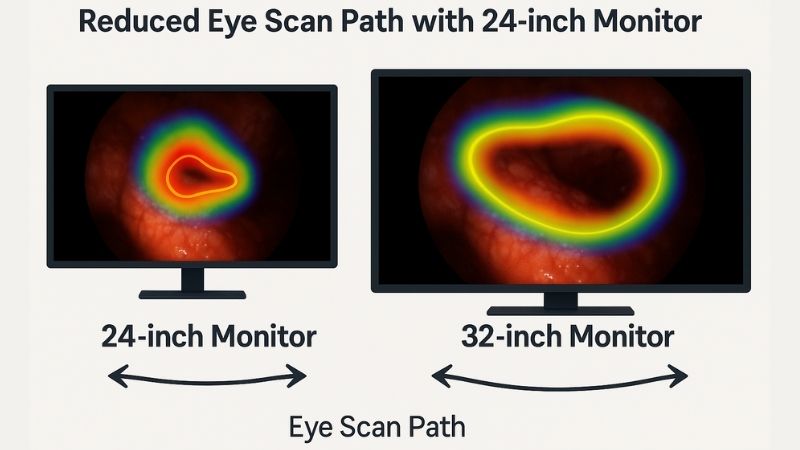
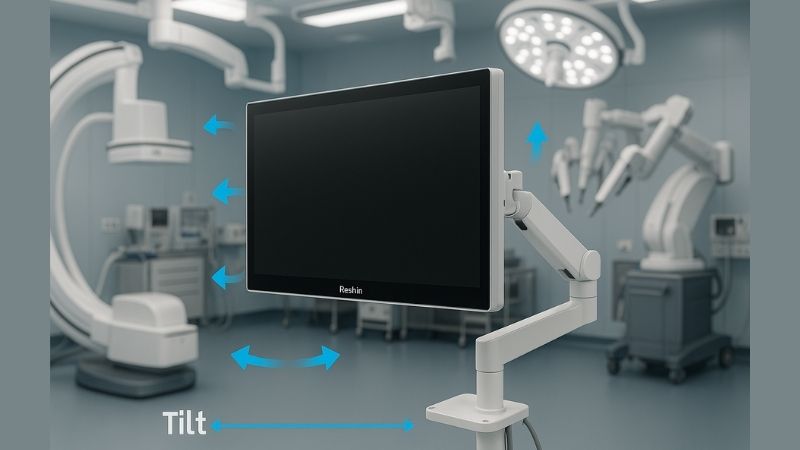
A 24-inch endoscopic monitor strikes a crucial balance, offering sufficient screen real-estate for detailed surgical views without overwhelming the often-congested operating room. Its size is optimized for typical viewing distances and ergonomic placement on medical carts or booms, aiding surgical precision.

You hear "4K" everywhere, from TVs to medical suites. But what does it truly mean for image clarity, and is it always the best choice?

Hospitals run on electricity, and every device adds to the bill. Medical displays are essential, but do they drain more power than you think? Medical-grade

Medical displays are a big investment. It’s tempting to look at cheaper consumer screens and wonder. Can a few tweaks make them hospital-ready? Modifying consumer-grade

Radiologists depend on clear images for vital diagnoses. But what makes a monitor truly "medical-grade"? Is your display showing the full picture? For radiology monitors,

Hospital surfaces need constant cleaning. Harsh disinfectants can wreck standard screens. How do medical displays survive this chemical onslaught daily? Medical displays resist damage from

Small practices face tough choices: invest in expensive medical-grade displays or save money with consumer options. Is cutting corners on screens a costly mistake? For

Could your doctor be missing important details because of the wrong display? The difference between medical and consumer displays matters more than you think. Medical
Start with the most useful guide for new buyers and OEM teams evaluating medical display suppliers.

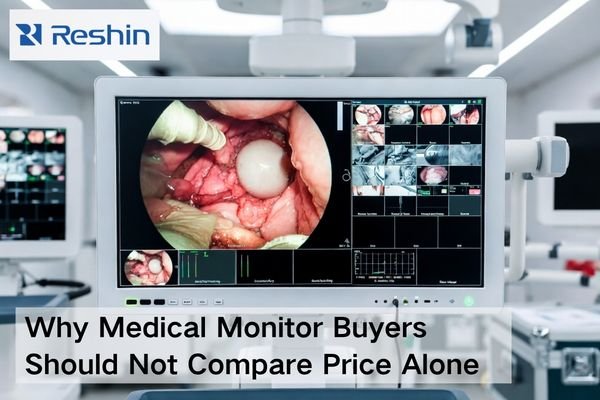
Medical monitor buyers should not compare price alone because a quotation only reflects the visible purchase cost, while the real project cost also includes compatibility risk, validation effort, after-sales recovery speed, document readiness, delivery coordination, and future supply stability. A better procurement decision comes from evaluating total project risk, not just the initial number on the quote.

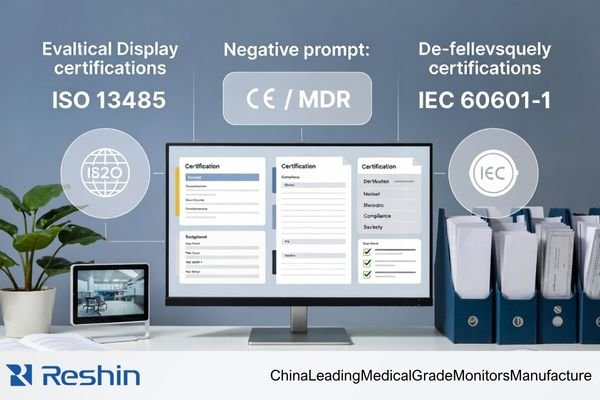
When evaluating a medical display manufacturer from a distributor’s perspective, the focus should not be on the quantity of certificates. The more important task is to identify which certifications and compliance documents actually support medical quality control, product compliance, and documentation readiness. In most cases, ISO 13485, product-related compliance information, and evidence of document traceability matter far more than general company awards or patent counts.

When buying a medical display from China for the first time, the safest approach is to confirm six things early: the exact application scope, alignment between sample and production, documentation support, OEM/customization boundaries, supply continuity, and communication quality. A capable medical display manufacturer should be able to support all six, not just provide a competitive first quotation.
To provide the best experiences, we use technologies like cookies to store and/or access device information, Consenting to thesetechnologies will allow us to process data such as browsing behavior or unique lDs on this site, Not consenting or withdrawing consentmay adversely affect certain features and functions.
We will contact you within 1 working day, please pay attention to the email with the suffix “@reshinmonitors.com”.