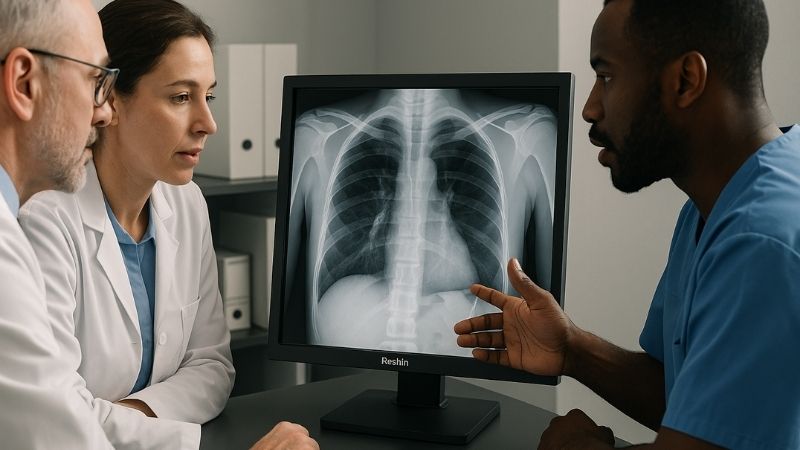
What role does a 2MP display play in radiology and emergency care?
In radiology and emergency care, doctors need clear images fast—but budgets are tight. The wrong monitor can cause misreads, delays, or wasted money on unnecessary

In radiology and emergency care, doctors need clear images fast—but budgets are tight. The wrong monitor can cause misreads, delays, or wasted money on unnecessary
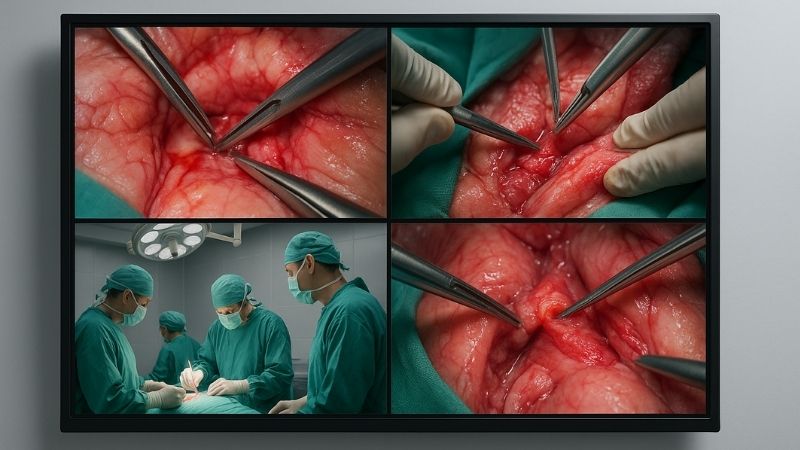
A 43-inch surgical monitor offers an expansive and immersive display, ensuring that even distant viewers can effectively visualize intricate details during medical demonstrations and live broadcasts. Its substantial size, coupled with high resolution, bolsters the display of surgical precision crucial for educational and professional environments.
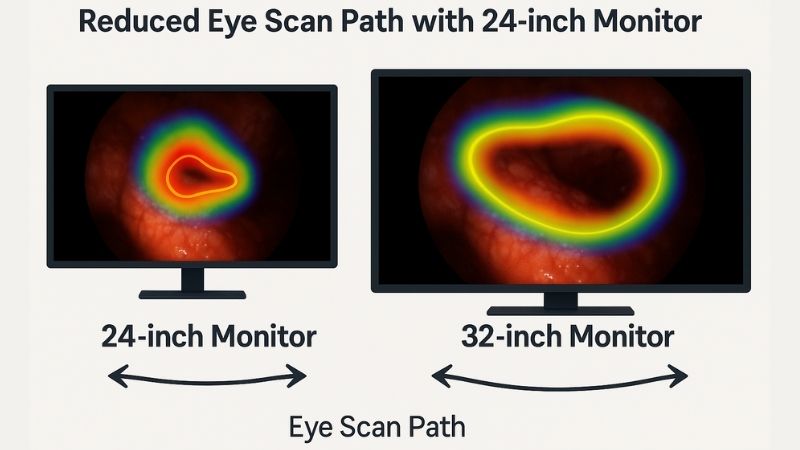
A 24-inch surgical monitor, such as our Reshin MS247SA, is highly suitable for high-contrast endoscopic imaging because it provides an optimal balance of ample screen real estate for detailed viewing and a concentrated field of gaze that enhances focus in challenging, low-light conditions. Its Full HD resolution ensures sharp differentiation of tissues, crucial for identifying subtle structures and pathologies typically encountered in endoscopic procedures.
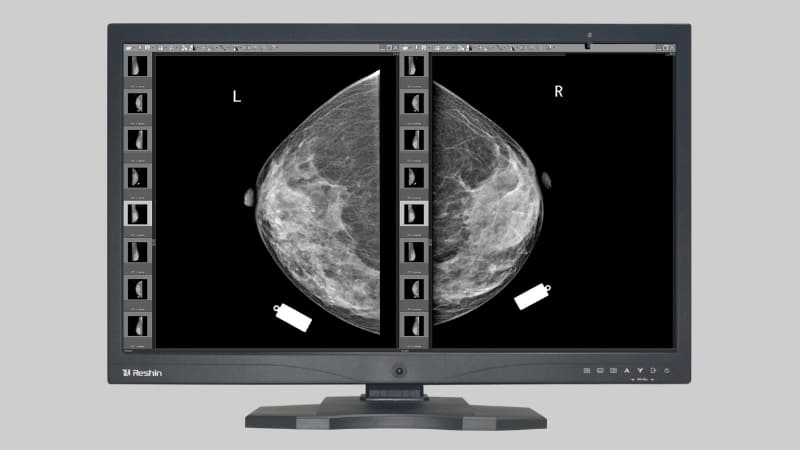
because they significantly enhance the visibility of subtle microcalcifications and faint masses by providing superior contrast and detail. The high resolution ensures that the full information from digital mammograms, including intricate tomosynthesis slices, is accurately rendered, supporting compliance with DICOM GSDF standards for optimal diagnostic confidence and early cancer detection.

The Reshin MS550P 55-inch 4K surgical monitor supports versatile multi-signal display modes including Picture-in-Picture (PiP), Picture-by-Picture (PbP) in various configurations (e.g., dual, triple, quad split), and Quad View. These modes allow simultaneous display of multiple input sources like endoscopic cameras, patient vitals, and radiological images, providing a comprehensive overview on a single large screen for enhanced surgical decision-making.
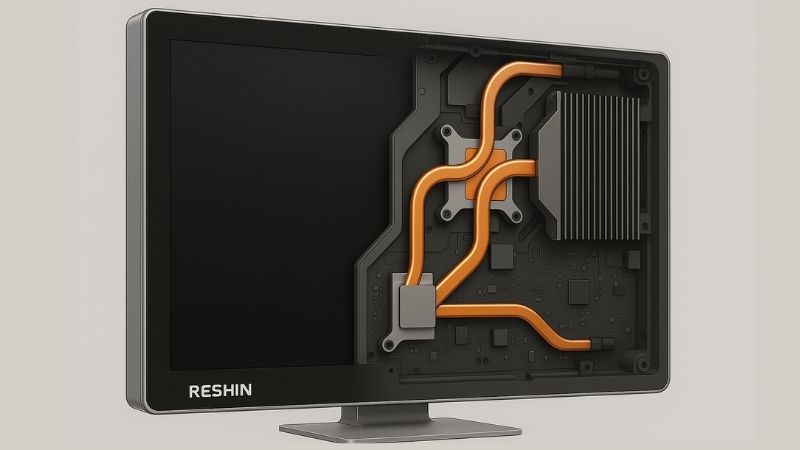
Advanced materials like aluminum alloy for enclosures, anti-reflective and shatter-proof glass, specialized internal thermal components, medical-grade plastics, and antibacterial coatings are essential. They ensure durability, clear visibility, reliable operation, resistance to harsh cleaning, and infection control in the demanding surgical environment. Our Reshin surgical monitors, such as the versatile MS270P or the high-definition MS321PB, incorporate these for optimal performance.
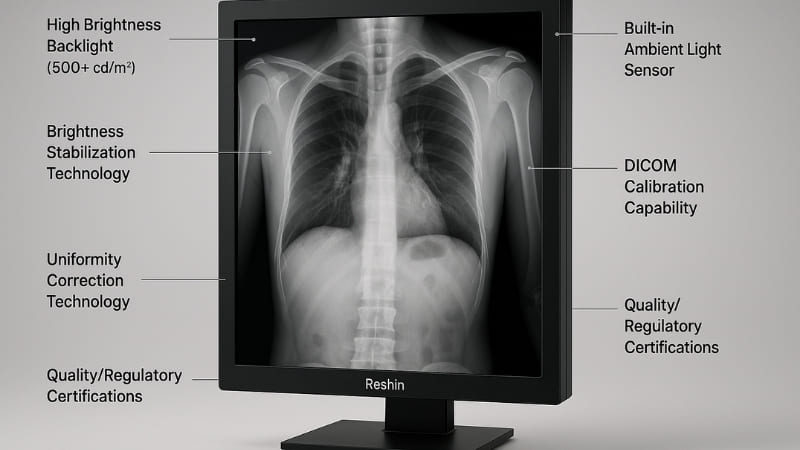
Brightness in diagnostic medical displays is critical because it directly affects the visibility of subtle tissue variations and lesions. Sufficient brightness, typically 400-1000 cd/m², ensures physicians can distinguish fine grayscale differences essential for accurate diagnosis.

A true “medical-grade” surgical monitor needs significantly high brightness, often exceeding 700 cd/m², to maintain image clarity and contrast against intense ambient surgical lights. This ensures surgeons see critical details without compromise, unlike standard displays.
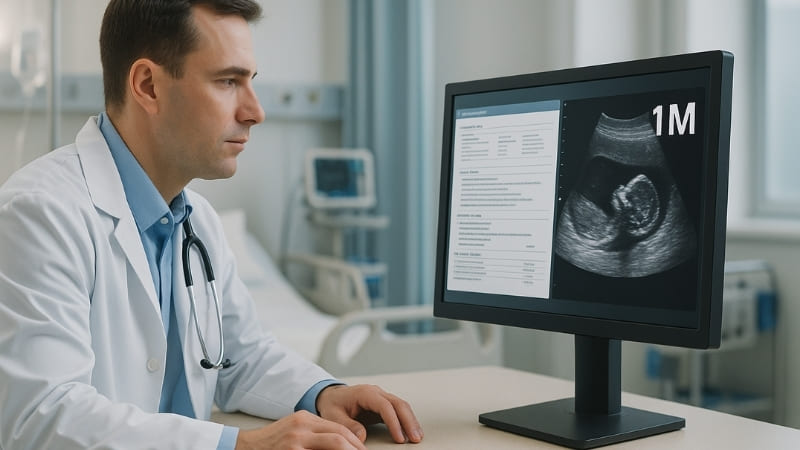
In medical displays, “1M” signifies approximately one million pixels (megapixels). This standardized labeling helps quickly compare screen resolutions and their suitability for various diagnostic tasks, ensuring clarity in image interpretation.
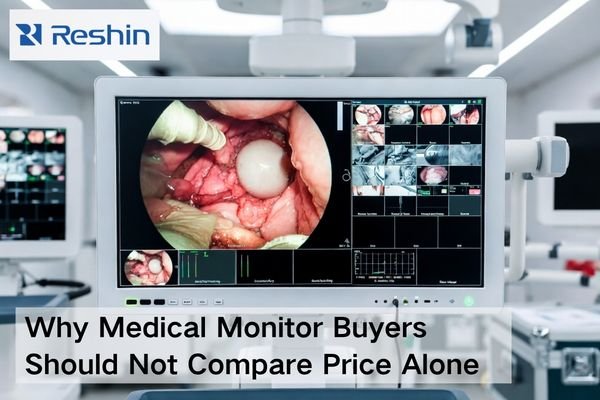
Medical monitor buyers should not compare price alone because a quotation only reflects the visible purchase cost, while the real project cost also includes compatibility risk, validation effort, after-sales recovery speed, document readiness, delivery coordination, and future supply stability. A better procurement decision comes from evaluating total project risk, not just the initial number on the quote.
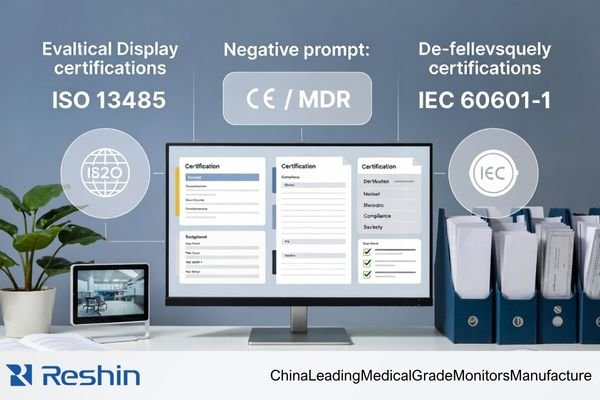
When evaluating a medical display manufacturer from a distributor’s perspective, the focus should not be on the quantity of certificates. The more important task is to identify which certifications and compliance documents actually support medical quality control, product compliance, and documentation readiness. In most cases, ISO 13485, product-related compliance information, and evidence of document traceability matter far more than general company awards or patent counts.

When buying a medical display from China for the first time, the safest approach is to confirm six things early: the exact application scope, alignment between sample and production, documentation support, OEM/customization boundaries, supply continuity, and communication quality. A capable medical display manufacturer should be able to support all six, not just provide a competitive first quotation.