Medical Display Insights for OEM Buyers, Distributors, and System Integrators

Explore practical articles on medical display sourcing, OEM cooperation, diagnostic and surgical workflows, compliance preparation, and long-term supply planning.

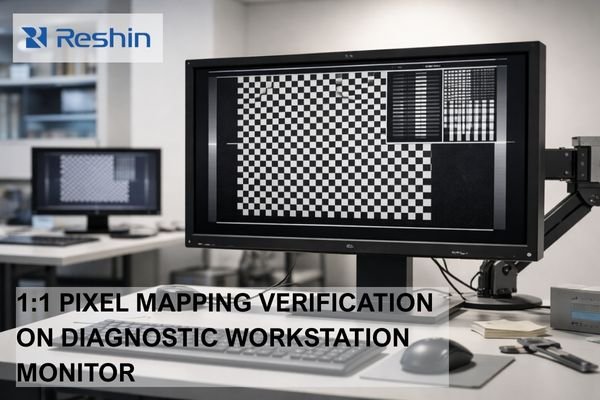
Diagnostic workstation monitor displaying 1-pixel checkerboard test pattern for verifying true 1:1 pixel mapping

How to Verify 1:1 Pixel Mapping on Diagnostic Monitors?

1:1 pixel mapping ensures that each image pixel from the PACS viewer is displayed by exactly one physical pixel on the monitor panel, with no scaling or interpolation. Verifying true 1:1 mapping requires systematic testing of the complete display pipeline—OS settings, GPU configuration, cable interface, and monitor scaling modes—because any single misconfiguration can introduce resampling that affects diagnostic confidence.

Read More »
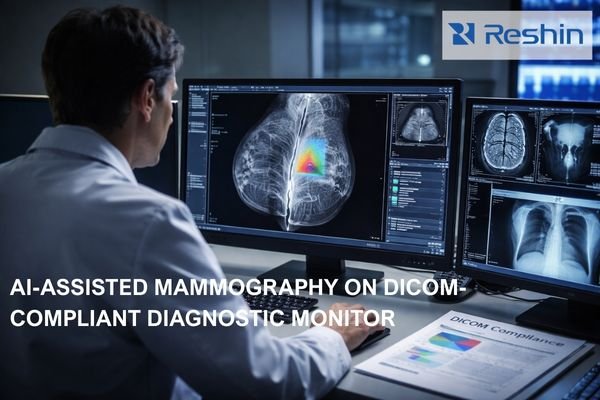
Radiologist reviewing AI-assisted mammogram with heatmap overlay on a DICOM-calibrated diagnostic monitor, alongside additional brain and chest scans and a DICOM compliance report

Why must AI-assisted systems use DICOM Part 14 monitors?

AI-assisted medical imaging systems require DICOM Part 14 compliant monitors to ensure consistent grayscale perception and standardized visual interpretation of AI outputs including overlays, heatmaps, and probability indicators. Non-compliant displays introduce perception variability that can affect clinical decision-making and undermine AI system governance.

Read More »
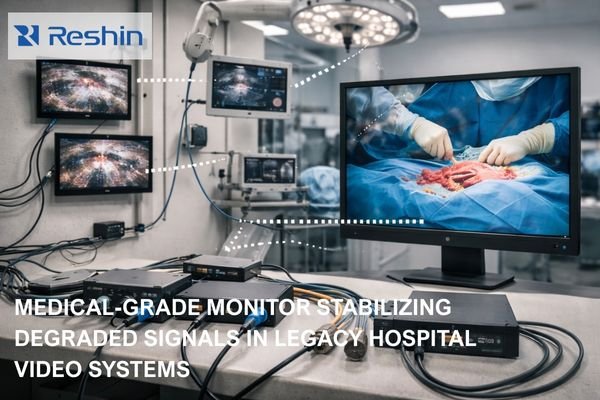
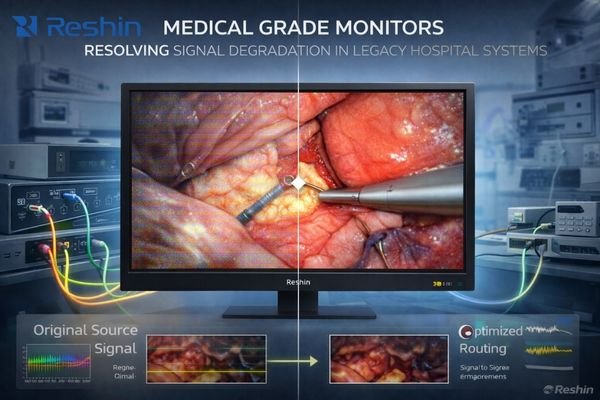
Modern medical monitor resolving signal degradation in legacy hospital systems.

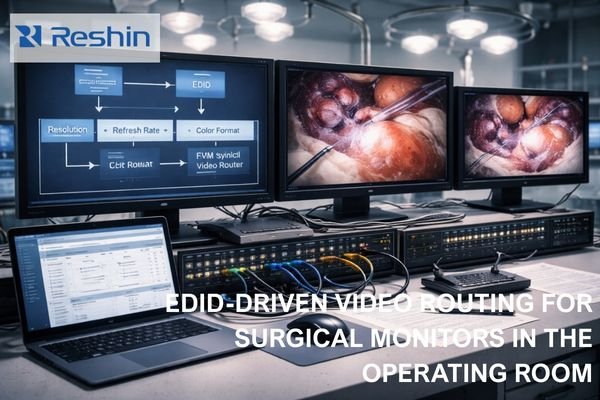
How do signal capabilities of medical grade monitors affect latency and image quality in OR routing?

Medical-grade monitor signal capabilities directly determine whether OR routing systems can maintain native signal paths with minimal conversion, which is critical for preserving both surgical image quality and low latency. When monitors accept the routed formats natively, the system can avoid unnecessary scaling and re-timing stages; when sync handling is stable, switching is less likely to trigger disruptive re-lock events (forced re-synchronization) that interrupt workflow.

Read More »
Medical display technician performing calibration on diagnostic monitors while reviewing a five-year maintenance cost chart, illustrating long-term stability management and lifecycle cost control

How does long-term stability of medical display solutions affect integration project lifecycle cost?

When properly managed, long-term stability of medical displays transforms unpredictable service costs into controlled maintenance events, reducing total lifecycle expenses by minimizing emergency recalibrations, unplanned replacements, clinical acceptance disputes, and multi-department workflow disruptions—factors that often become a major portion of 5-year integration project cost in complex, multi-department environments.

Read More »

Featured Insight

Start with the most useful guide for new buyers and OEM teams evaluating medical display suppliers.

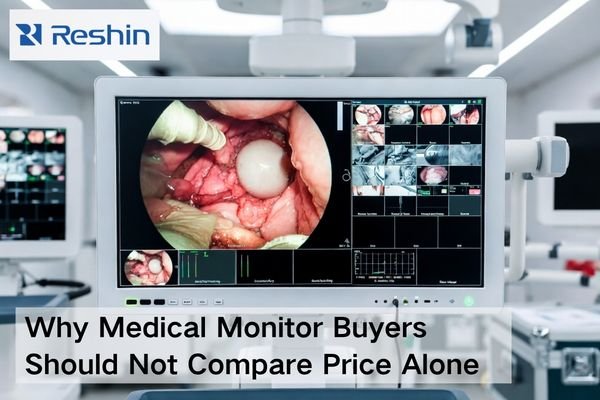
Medical monitor procurement scene showing a medical-grade display, validation documents, connected cables, and project materials beyond price comparison

Why Medical Monitor Buyers Should Not Compare Price Alone

Medical monitor buyers should not compare price alone because a quotation only reflects the visible purchase cost, while the real project cost also includes compatibility risk, validation effort, after-sales recovery speed, document readiness, delivery coordination, and future supply stability. A better procurement decision comes from evaluating total project risk, not just the initial number on the quote.

Read More »
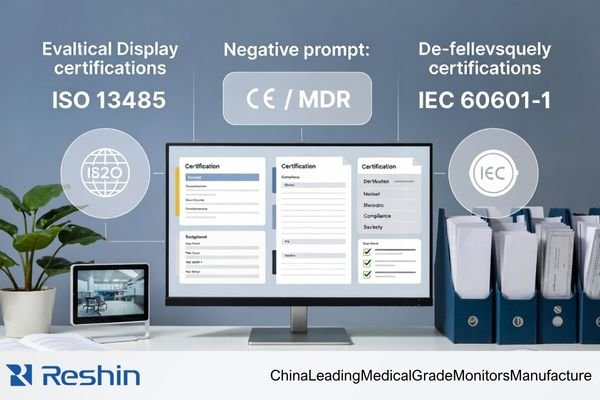
Distributor evaluating a medical display manufacturer’s certifications, including ISO 13485, CE / MDR, and IEC 60601-1 compliance

Which Certifications Actually Matter When Evaluating a Medical Display Manufacturer?

When evaluating a medical display manufacturer from a distributor’s perspective, the focus should not be on the quantity of certificates. The more important task is to identify which certifications and compliance documents actually support medical quality control, product compliance, and documentation readiness. In most cases, ISO 13485, product-related compliance information, and evidence of document traceability matter far more than general company awards or patent counts.

Read More »
Reshin medical display review meeting with buyers discussing product evaluation, specifications, and project requirements in a modern office

Buying a Medical Display from China for the First Time: What Should Be Confirmed

When buying a medical display from China for the first time, the safest approach is to confirm six things early: the exact application scope, alignment between sample and production, documentation support, OEM/customization boundaries, supply continuity, and communication quality. A capable medical display manufacturer should be able to support all six, not just provide a competitive first quotation.

Read More »

Ask For A Quick Quote

We will contact you within one working day. Please watch for an email from an address ending in @reshinmonitors.com.