Buyer Guides

Explore practical articles on medical display sourcing, OEM cooperation, diagnostic and surgical workflows, compliance preparation, and long-term supply planning.

Side-by-side comparison of a consumer office monitor and a medical-grade display in a hospital; IEC 60601-1 and DICOM Part 14/GSDF highlighted with 12G-SDI connector

7 Common Misconceptions About Medical Displays: Are You Falling for Them?

Most “gotchas” come from treating resolution as quality. In practice, safety certifications, AR-bonded optics, DICOM Part 14 with stabilized luminance, ambient compensation, and robust OR connectivity decide clinical truth. Pick the right size and I/O for the workflow, keep GSDF verified on a schedule, and wide gamut only when the entire chain preserves it.

Read More »
Flat digital illustration showing surgeons and radiologists using medical monitors with key features highlighted: 4K/60, DICOM GSDF, PIP/PBP/Quad view, CBS/ALC, and 12G-SDI connectivity.

Reshin Medical Monitor quick buyer’s guide

This guide maps clinical needs directly to monitor specifications. We focus on how features like 4K resolution with AR-bonded glass, 12G-SDI connectivity, and automated DICOM-QC with ALC/CBS solve real-world problems in the OR and reading room, helping you select a monitor that passes acceptance today and scales for tomorrow.

Read More »
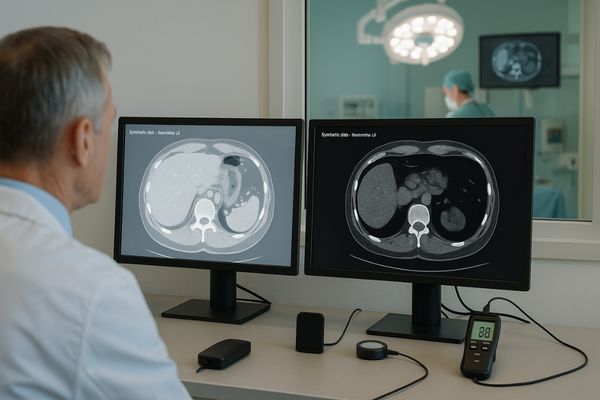
Radiologist analyzing angiography images on a Reshin medical-grade diagnostic monitor in a bright clinical office

Ghosting vs Burn-In: How Panel Quality Drives Image Retention Risk

Ghosting (temporary LCD persistence) and burn-in (permanent OLED damage) both erode clinical trust. Lower-quality panels need harder drive, age unevenly, and retain static UI sooner. Control the chain: medical-grade IPS, luminance stabilization, AR-bonded optics, ambient-light compensation, clean 12G-SDI/HDMI 4:4:4, and QA logs. Tie luminance to room lux and validate multi-view. Manage stress—not just brightness.

Read More »

Featured Insight

Start with the most useful guide for new buyers and OEM teams evaluating medical display suppliers.

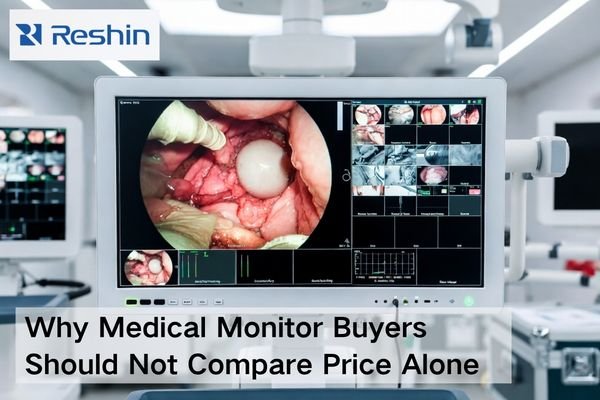
Medical monitor procurement scene showing a medical-grade display, validation documents, connected cables, and project materials beyond price comparison

Why Medical Monitor Buyers Should Not Compare Price Alone

Medical monitor buyers should not compare price alone because a quotation only reflects the visible purchase cost, while the real project cost also includes compatibility risk, validation effort, after-sales recovery speed, document readiness, delivery coordination, and future supply stability. A better procurement decision comes from evaluating total project risk, not just the initial number on the quote.

Read More »
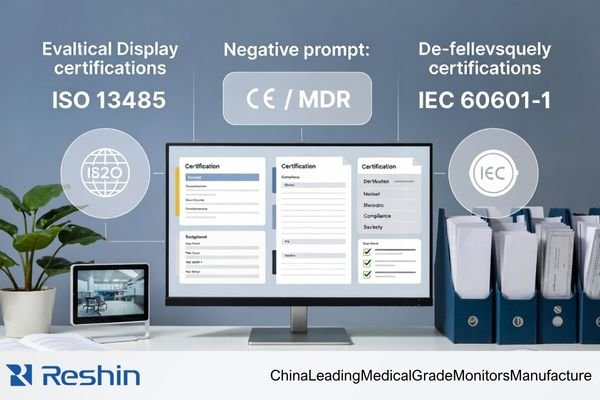
Distributor evaluating a medical display manufacturer’s certifications, including ISO 13485, CE / MDR, and IEC 60601-1 compliance

Which Certifications Actually Matter When Evaluating a Medical Display Manufacturer?

When evaluating a medical display manufacturer from a distributor’s perspective, the focus should not be on the quantity of certificates. The more important task is to identify which certifications and compliance documents actually support medical quality control, product compliance, and documentation readiness. In most cases, ISO 13485, product-related compliance information, and evidence of document traceability matter far more than general company awards or patent counts.

Read More »

Ask For A Quick Quote

We will contact you within 1 working day, please pay attention to the email with the suffix “@reshinmonitors.com”

Ask For A Quick Quote

We will contact you within 1 working day, please pay attention to the email with the suffix “@reshinmonitors.com”