What role does a 2MP display play in radiology and emergency care?
In radiology and emergency care, doctors need clear images fast—but budgets are tight. The wrong monitor can cause misreads, delays, or wasted money on unnecessary
Explore practical articles on medical display sourcing, OEM cooperation, diagnostic and surgical workflows, compliance preparation, and long-term supply planning.

In radiology and emergency care, doctors need clear images fast—but budgets are tight. The wrong monitor can cause misreads, delays, or wasted money on unnecessary

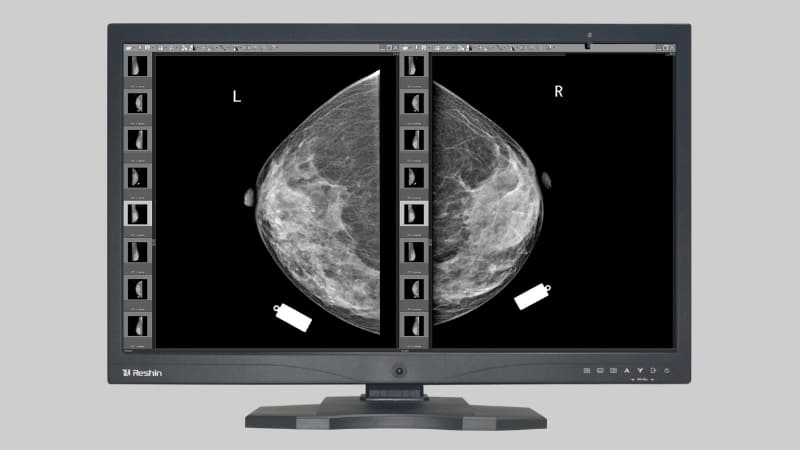
because they significantly enhance the visibility of subtle microcalcifications and faint masses by providing superior contrast and detail. The high resolution ensures that the full information from digital mammograms, including intricate tomosynthesis slices, is accurately rendered, supporting compliance with DICOM GSDF standards for optimal diagnostic confidence and early cancer detection.

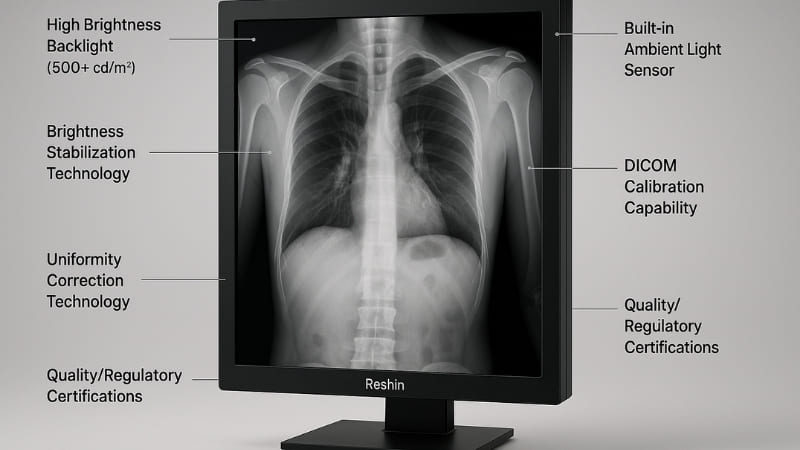
Brightness in diagnostic medical displays is critical because it directly affects the visibility of subtle tissue variations and lesions. Sufficient brightness, typically 400-1000 cd/m², ensures physicians can distinguish fine grayscale differences essential for accurate diagnosis.

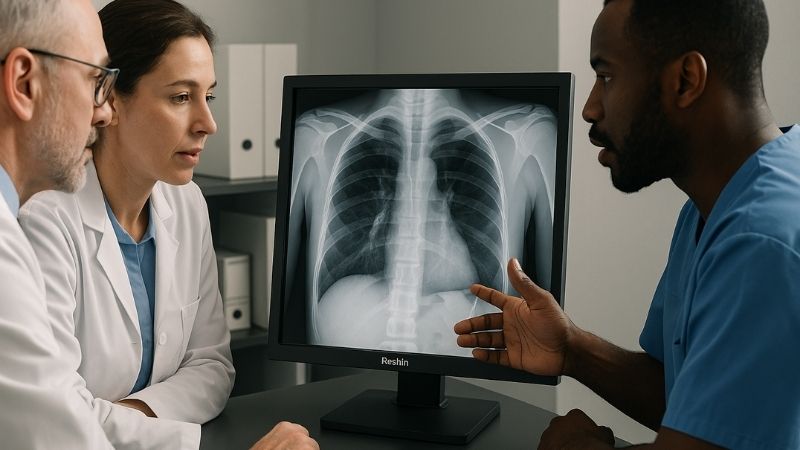
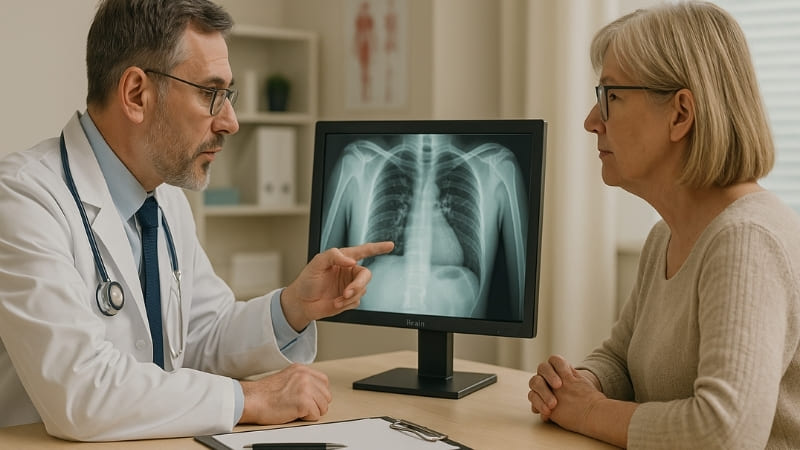
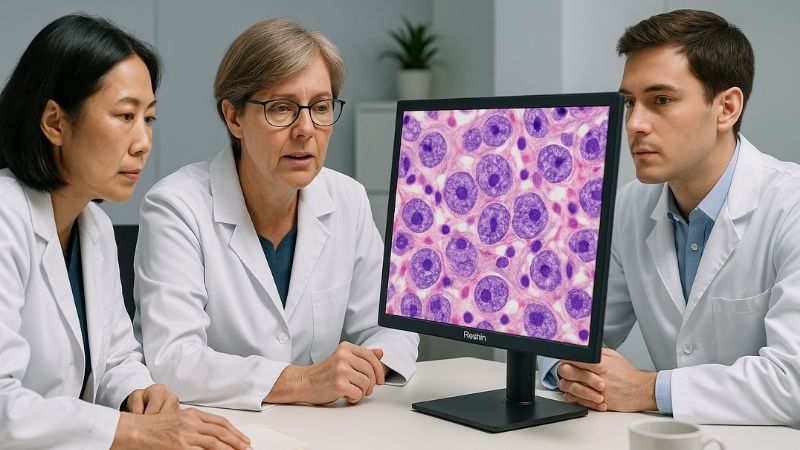
2MP diagnostic monitors are highly suitable for general radiology tasks such as viewing chest X-rays, bone scans, and certain CT or MRI slice reviews. Departments including general internal medicine, physical examination centers, emergency rooms, and outpatient clinics often find them to be a cost-effective and reliable choice for these applications.

A 1MP diagnostic monitor, offering approximately one million pixels, is suitable for clinical review in general practice, basic ultrasound viewing, and displaying patient information systems where extremely high-resolution detail is not the primary requirement for diagnosis.
Start with the most useful guide for new buyers and OEM teams evaluating medical display suppliers.

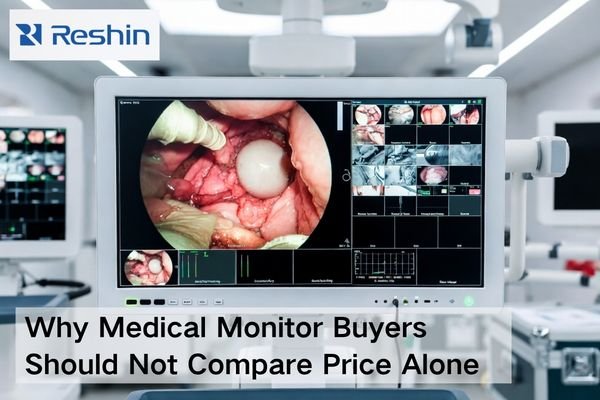
Medical monitor buyers should not compare price alone because a quotation only reflects the visible purchase cost, while the real project cost also includes compatibility risk, validation effort, after-sales recovery speed, document readiness, delivery coordination, and future supply stability. A better procurement decision comes from evaluating total project risk, not just the initial number on the quote.

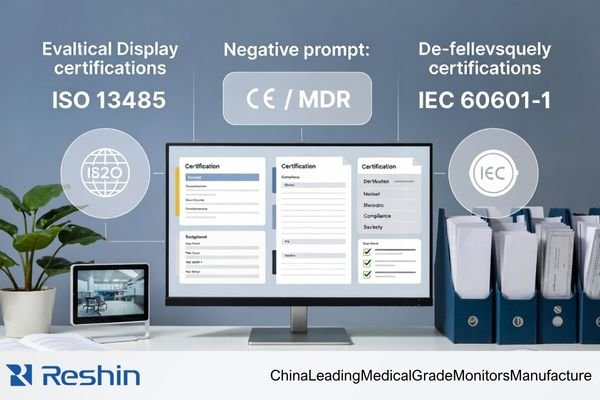
When evaluating a medical display manufacturer from a distributor’s perspective, the focus should not be on the quantity of certificates. The more important task is to identify which certifications and compliance documents actually support medical quality control, product compliance, and documentation readiness. In most cases, ISO 13485, product-related compliance information, and evidence of document traceability matter far more than general company awards or patent counts.

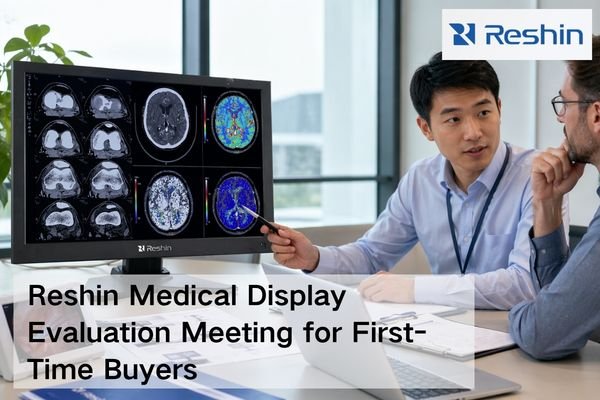
When buying a medical display from China for the first time, the safest approach is to confirm six things early: the exact application scope, alignment between sample and production, documentation support, OEM/customization boundaries, supply continuity, and communication quality. A capable medical display manufacturer should be able to support all six, not just provide a competitive first quotation.
We use cookies to improve website functionality, analyze site performance, and protect inquiry forms from spam. You can accept all cookies, reject non-essential cookies, or manage your preferences at any time.
We will contact you within one working day. Please watch for an email from an address ending in @reshinmonitors.com.