Surgical Displays

Explore practical articles on medical display sourcing, OEM cooperation, diagnostic and surgical workflows, compliance preparation, and long-term supply planning.

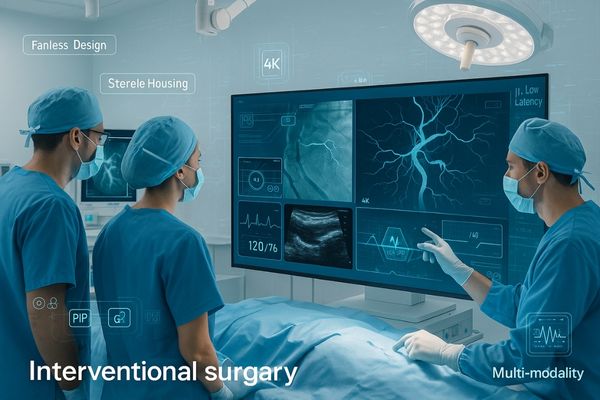
Surgeon performing minimally invasive surgery while viewing a surgical monitor showing real-time, low-latency images in perfect sync with instrument movements

How Do Surgical Monitors Reduce Image Latency?

Surgical monitors reduce latency by using powerful, dedicated processing chips, optimized low-latency software, and high-speed signal pathways. These elements work together to minimize the time between video input and display output for real-time performance.

Read More »
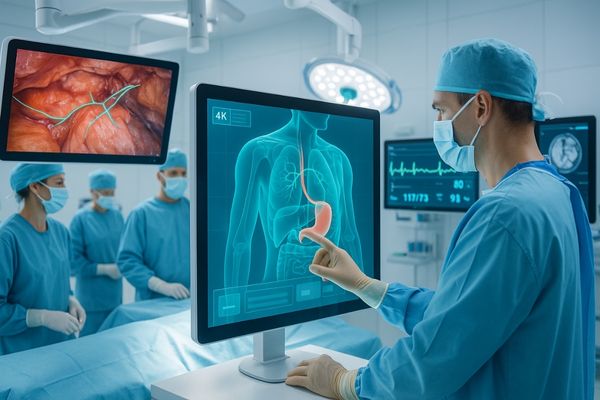
Modern surgical operating room digital illustration highlighting key surgical monitor features like 4K resolution, brightness, color accuracy, multi-input ports, and ergonomic mounting.

Top 10 Features of Surgical Monitors

The top 10 most critical features to evaluate in a surgical monitor are:
– High Resolution and Pixel Density for exceptional detail.
– Brightness Levels Suitable for Surgical Lighting.
– Wide Color Gamut and Color Accuracy for tissue differentiation.
– Low Latency for real-time video feedback.
– Multiple Signal Input Compatibility for seamless integration.
– Durability and Medical-Grade Housing to withstand the OR environment.
– An Easy Cleaning and Disinfection Design for infection control.
– Anti-Reflection and Anti-Glare Coatings to reduce eye strain.
– Flexible Mounting and Ergonomics for optimal positioning.
– Long Lifespan and Reliable Performance for long-term value.

Read More »
Water splashing against a surgical monitor during a water resistance test, illustrating IPX4 protection for medical displays

Waterproof Level IPX1 vs IPX4: Which Is Enough?

For surgical monitors, IPX4 is typically enough while IPX1 is insufficient. IPX1 only protects against vertically dripping water, offering minimal protection in medical settings. IPX4 resists splashes from all directions, making it suitable for operating rooms where liquids frequently spray during procedures and cleaning.

Read More »

Featured Insight

Start with the most useful guide for new buyers and OEM teams evaluating medical display suppliers.

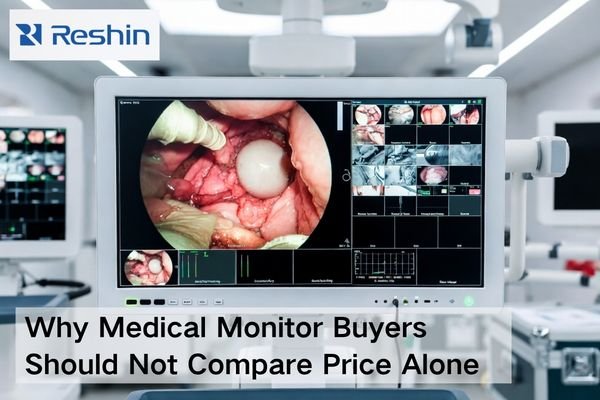
Medical monitor procurement scene showing a medical-grade display, validation documents, connected cables, and project materials beyond price comparison

Why Medical Monitor Buyers Should Not Compare Price Alone

Medical monitor buyers should not compare price alone because a quotation only reflects the visible purchase cost, while the real project cost also includes compatibility risk, validation effort, after-sales recovery speed, document readiness, delivery coordination, and future supply stability. A better procurement decision comes from evaluating total project risk, not just the initial number on the quote.

Read More »
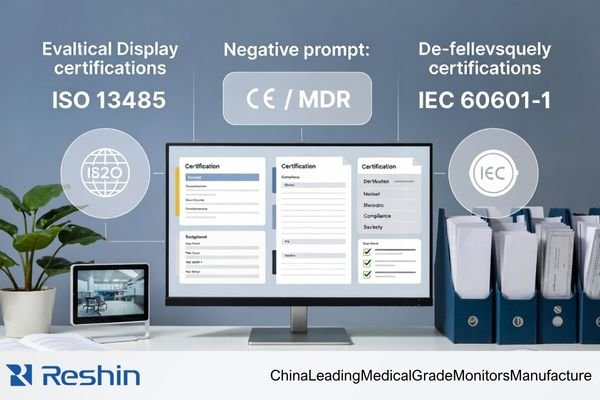
Distributor evaluating a medical display manufacturer’s certifications, including ISO 13485, CE / MDR, and IEC 60601-1 compliance

Which Certifications Actually Matter When Evaluating a Medical Display Manufacturer?

When evaluating a medical display manufacturer from a distributor’s perspective, the focus should not be on the quantity of certificates. The more important task is to identify which certifications and compliance documents actually support medical quality control, product compliance, and documentation readiness. In most cases, ISO 13485, product-related compliance information, and evidence of document traceability matter far more than general company awards or patent counts.

Read More »

Ask For A Quick Quote

We will contact you within 1 working day, please pay attention to the email with the suffix “@reshinmonitors.com”

Ask For A Quick Quote

We will contact you within 1 working day, please pay attention to the email with the suffix “@reshinmonitors.com”