Surgical Displays

Explore practical articles on medical display sourcing, OEM cooperation, diagnostic and surgical workflows, compliance preparation, and long-term supply planning.

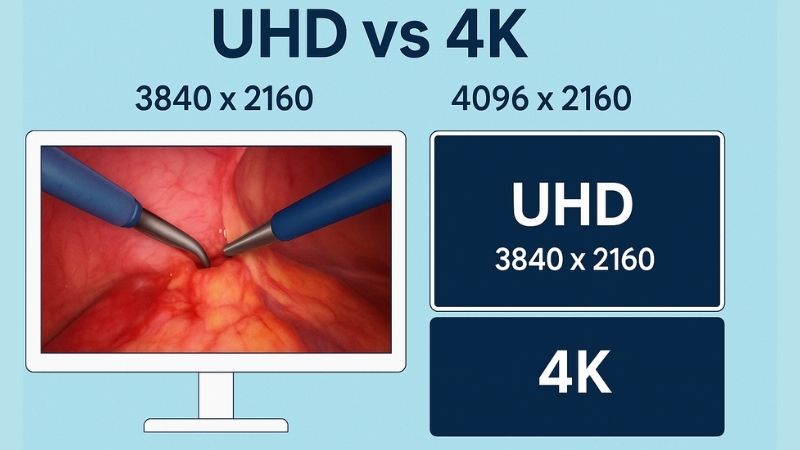
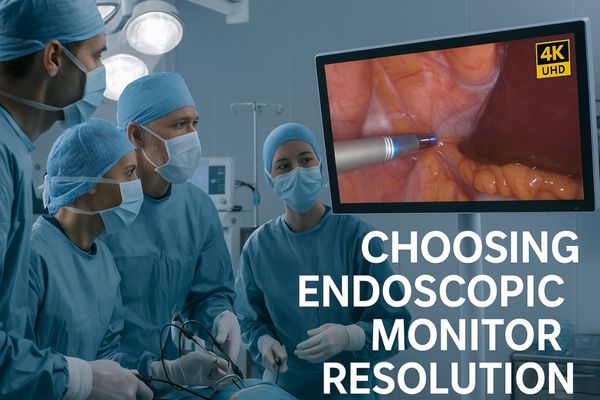
Comparison between UHD (3840x2160) and 4K (4096x2160) resolutions in surgical monitors, featuring a high-resolution surgical image and resolution diagrams.

How is UHD different from 4K in surgical monitor marketing?

While often used interchangeably, “4K” traditionally refers to the cinema standard of 4096×2160 pixels, whereas “UHD” (Ultra High Definition) specifies 3840×2160 pixels. For surgical monitors, UHD is the technically accurate term for this class of high-resolution displays, providing four times the pixels of Full HD.

Read More »
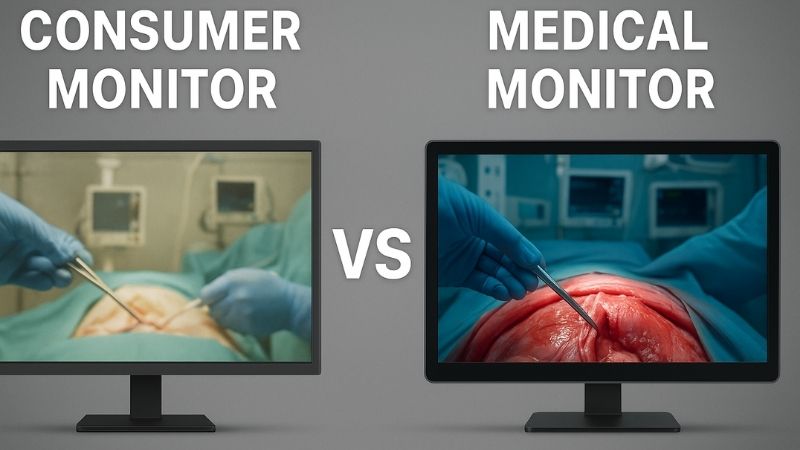
Side-by-side comparison of a consumer monitor and a medical surgical monitor displaying surgical images.

What are the risks of using consumer monitors in operating rooms?

The risks of using consumer monitors in operating rooms are substantial, encompassing compromised patient safety due to inadequate hygiene and electrical standards, potential for diagnostic errors from inconsistent image quality and lack of medical-specific calibrations, and non-compliance with stringent healthcare regulations. These displays are simply not built for the demanding, sterile environment of surgery, nor do they offer the reliability or precision required for critical procedures.

Read More »
Vascular surgeon operating with microsurgical tools, guided by a 4K Reshin monitor displaying high-resolution vessel imagery and patient vitals

What resolution is optimal for vascular surgery monitors?

For vascular surgery, 4K Ultra HD (3840×2160 pixels) resolution is generally considered optimal. This high pixel density provides exceptional detail, allowing surgeons to clearly visualize fine vessels, subtle tissue changes, and the precise placement of sutures or stents. This clarity is paramount for enhancing surgical accuracy and patient safety in complex vascular interventions.

Read More »
43-inch Reshin surgical monitor in a modern operating room displaying multi-source medical visuals including 4K endoscopy, robotic surgery, CT scans, and vitals

Top 10 Use Cases for 43-inch Surgical Displays

A 43-inch surgical display offers a versatile solution for various procedures. It enhances visualization in laparoscopy, robotic surgery, hybrid ORs, teaching, and collaborative case reviews. It balances a large, clear view with practical OR integration.

Read More »
Comparative illustration showing more compact eye scan paths on a 24-inch monitor versus wider paths on a larger monitor for endoscopic viewing, demonstrating reduced eye movement and fatigue, highlighting surgical monitor ergonomics.

Why is a 24-inch surgical monitor suitable for high-contrast endoscopic imaging?

A 24-inch surgical monitor, such as our Reshin MS247SA, is highly suitable for high-contrast endoscopic imaging because it provides an optimal balance of ample screen real estate for detailed viewing and a concentrated field of gaze that enhances focus in challenging, low-light conditions. Its Full HD resolution ensures sharp differentiation of tissues, crucial for identifying subtle structures and pathologies typically encountered in endoscopic procedures.

Read More »
Reshin MS220S 22-inch monitor showcasing superior surgical color accuracy for tissue differentiation display in ENT/ophthalmic surgery, enabling clear pathology identification through precise retinal color variations and mucosal assessment.

How does a 22-inch surgical monitor enhance visualization in ENT and ophthalmic surgeries?

A 22-inch surgical monitor, like our Reshin MS220S, enhances visualization in ENT and ophthalmic surgeries by offering an optimal balance of screen size for focused views of small anatomical targets, Full HD resolution for clear detail, and ergonomic benefits for space-constrained ORs. It provides critical image sharpness and color fidelity essential for these precise procedures without overwhelming the surgeon’s field of view or physical workspace.

Read More »

Featured Insight

Start with the most useful guide for new buyers and OEM teams evaluating medical display suppliers.

Medical monitor procurement scene showing a medical-grade display, validation documents, connected cables, and project materials beyond price comparison

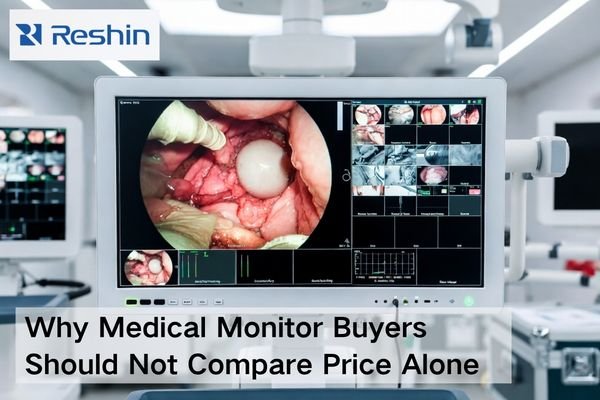
Why Medical Monitor Buyers Should Not Compare Price Alone

Medical monitor buyers should not compare price alone because a quotation only reflects the visible purchase cost, while the real project cost also includes compatibility risk, validation effort, after-sales recovery speed, document readiness, delivery coordination, and future supply stability. A better procurement decision comes from evaluating total project risk, not just the initial number on the quote.

Read More »
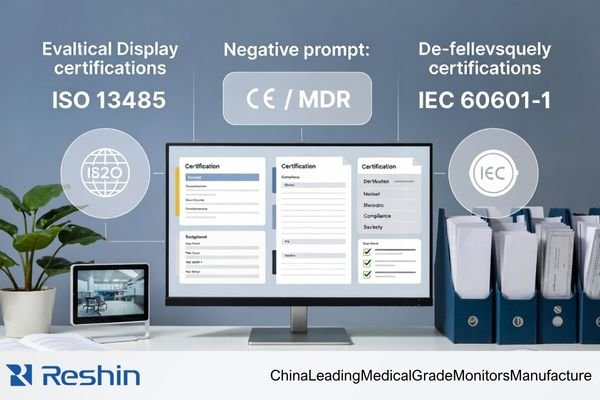
Distributor evaluating a medical display manufacturer’s certifications, including ISO 13485, CE / MDR, and IEC 60601-1 compliance

Which Certifications Actually Matter When Evaluating a Medical Display Manufacturer?

When evaluating a medical display manufacturer from a distributor’s perspective, the focus should not be on the quantity of certificates. The more important task is to identify which certifications and compliance documents actually support medical quality control, product compliance, and documentation readiness. In most cases, ISO 13485, product-related compliance information, and evidence of document traceability matter far more than general company awards or patent counts.

Read More »

Ask For A Quick Quote

We will contact you within 1 working day, please pay attention to the email with the suffix “@reshinmonitors.com”

Ask For A Quick Quote

We will contact you within 1 working day, please pay attention to the email with the suffix “@reshinmonitors.com”