Technology Insights

Explore practical articles on medical display sourcing, OEM cooperation, diagnostic and surgical workflows, compliance preparation, and long-term supply planning.

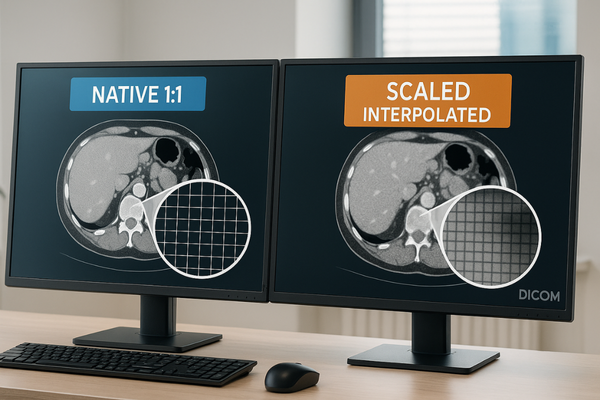
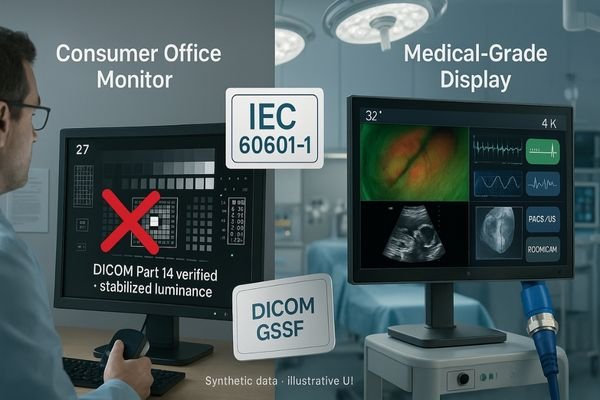
Side-by-side comparison of a consumer office monitor and a medical-grade display in a hospital; IEC 60601-1 and DICOM Part 14/GSDF highlighted with 12G-SDI connector

7 Common Misconceptions About Medical Displays: Are You Falling for Them?

Most “gotchas” come from treating resolution as quality. In practice, safety certifications, AR-bonded optics, DICOM Part 14 with stabilized luminance, ambient compensation, and robust OR connectivity decide clinical truth. Pick the right size and I/O for the workflow, keep GSDF verified on a schedule, and wide gamut only when the entire chain preserves it.

Read More »
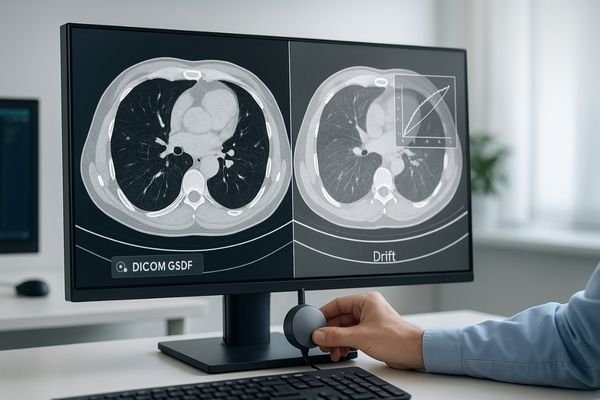
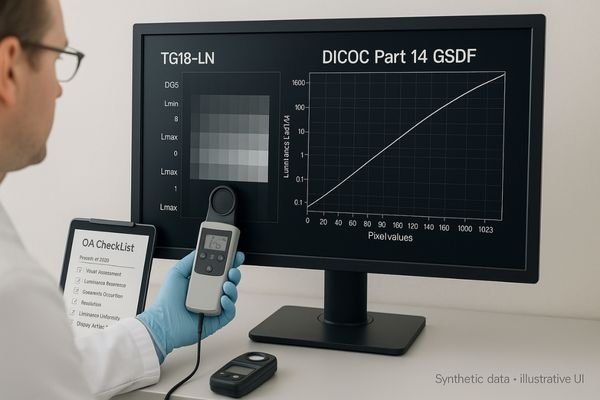
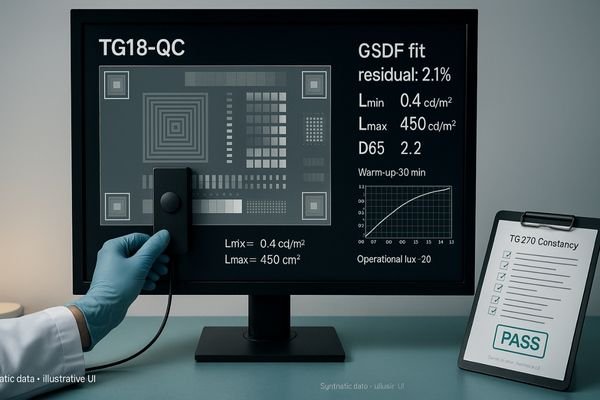
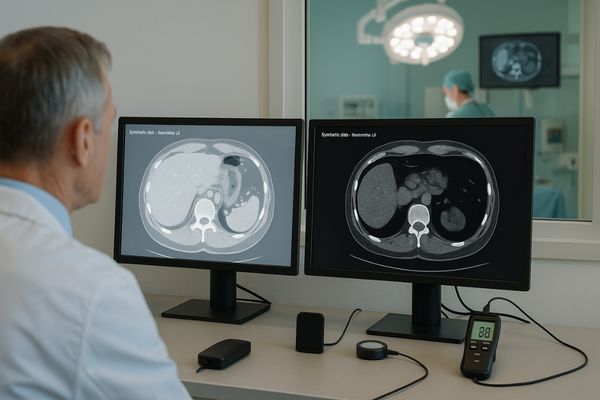
Physicist measuring a TG18-QC test pattern on a PACS diagnostic monitor with a photometer to verify DICOM Part 14 GSDF; TG270 checklist visible

PACS Monitor QA in Practice: How to Verify DICOM Part 14 with TG18/TG270

To verify DICOM Part 14 in practice, warm up the display, set room lux to operating levels, run TG18-QC for a quick visual gate, then measure GSDF with a photometer to confirm curve fit and Lmin/Lmax. Check uniformity (e.g., TG18-UNL), document results against TG270 thresholds, and lock profiles to prevent drift; repeat on a fixed constancy schedule.

Read More »
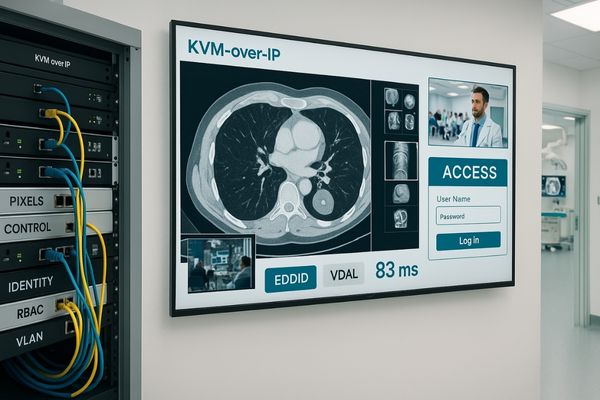
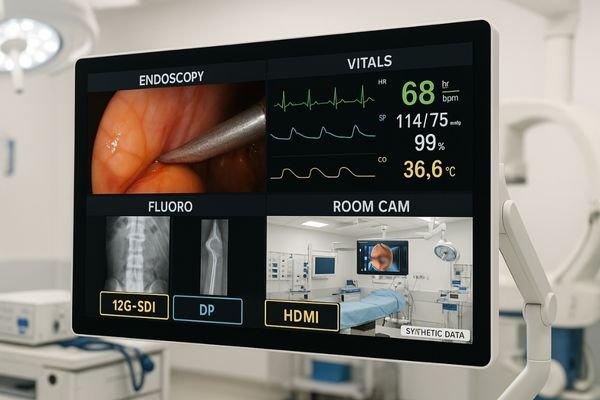
Side-by-side comparison of surgical monitors showing accurate color vs color shift during an endoscopic procedure, observed by a surgeon in a well-lit operating room

Color Shift in Medical Displays: A Hidden Risk to Diagnostic Accuracy

Color shift quietly bends clinical judgment. DICOM guards grayscale, not color, so manage the whole chain: stable white point, BT.709/BT.2020, AR-bonded optics, ambient-light control, luminance stabilization, and clean 12G-SDI/HDMI 4:4:4. Lock profiles and check multi-view consistency. With routine QA, screens stay honest—and decisions stay precise.

Read More »
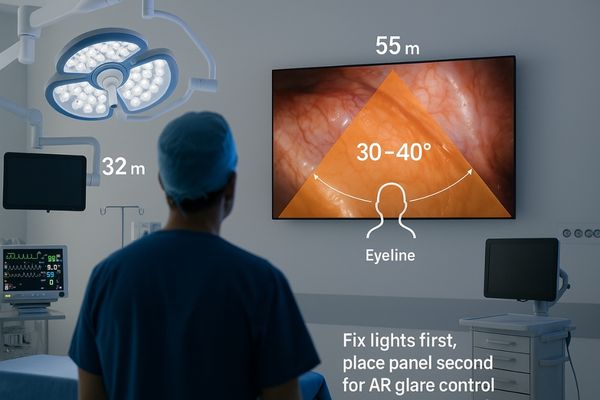
Radiologist analyzing angiography images on a Reshin medical-grade diagnostic monitor in a bright clinical office

Ghosting vs Burn-In: How Panel Quality Drives Image Retention Risk

Ghosting (temporary LCD persistence) and burn-in (permanent OLED damage) both erode clinical trust. Lower-quality panels need harder drive, age unevenly, and retain static UI sooner. Control the chain: medical-grade IPS, luminance stabilization, AR-bonded optics, ambient-light compensation, clean 12G-SDI/HDMI 4:4:4, and QA logs. Tie luminance to room lux and validate multi-view. Manage stress—not just brightness.

Read More »

Featured Insight

Start with the most useful guide for new buyers and OEM teams evaluating medical display suppliers.

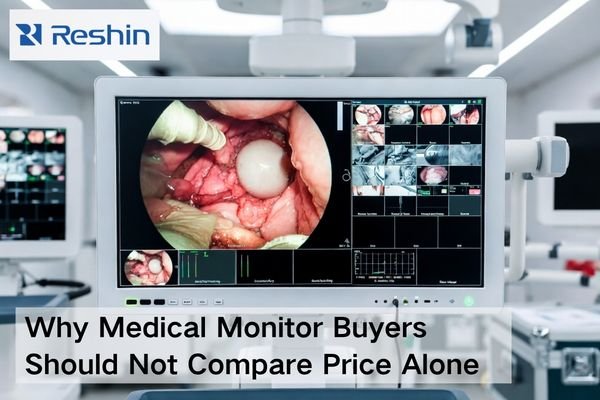
Medical monitor procurement scene showing a medical-grade display, validation documents, connected cables, and project materials beyond price comparison

Why Medical Monitor Buyers Should Not Compare Price Alone

Medical monitor buyers should not compare price alone because a quotation only reflects the visible purchase cost, while the real project cost also includes compatibility risk, validation effort, after-sales recovery speed, document readiness, delivery coordination, and future supply stability. A better procurement decision comes from evaluating total project risk, not just the initial number on the quote.

Read More »
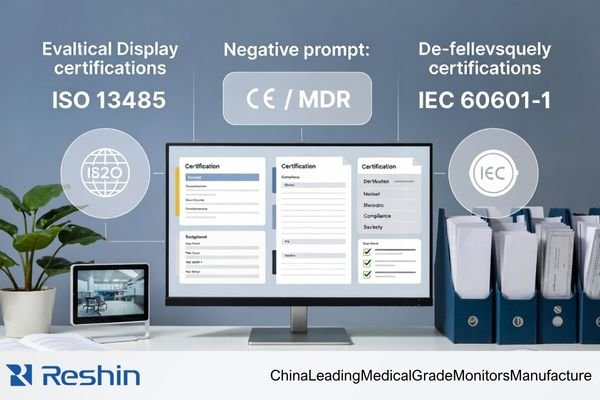
Distributor evaluating a medical display manufacturer’s certifications, including ISO 13485, CE / MDR, and IEC 60601-1 compliance

Which Certifications Actually Matter When Evaluating a Medical Display Manufacturer?

When evaluating a medical display manufacturer from a distributor’s perspective, the focus should not be on the quantity of certificates. The more important task is to identify which certifications and compliance documents actually support medical quality control, product compliance, and documentation readiness. In most cases, ISO 13485, product-related compliance information, and evidence of document traceability matter far more than general company awards or patent counts.

Read More »
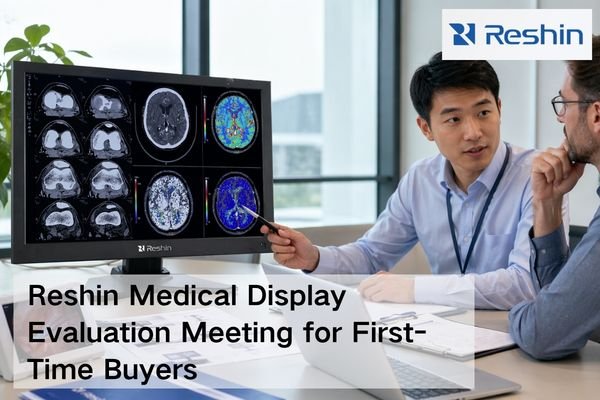
Reshin medical display review meeting with buyers discussing product evaluation, specifications, and project requirements in a modern office

Buying a Medical Display from China for the First Time: What Should Be Confirmed

When buying a medical display from China for the first time, the safest approach is to confirm six things early: the exact application scope, alignment between sample and production, documentation support, OEM/customization boundaries, supply continuity, and communication quality. A capable medical display manufacturer should be able to support all six, not just provide a competitive first quotation.

Read More »

Ask For A Quick Quote

We will contact you within 1 working day, please pay attention to the email with the suffix “@reshinmonitors.com”

Ask For A Quick Quote

We will contact you within 1 working day, please pay attention to the email with the suffix “@reshinmonitors.com”